Platform Tips
YouTube Shorts Upload Checklist for Faceless Creators
What to check on YouTube before and after a faceless Short goes live: length, format, the altered-content setting, title, description, visibility, monetisation.
Before each Short is public, check length and orientation, the altered or synthetic content setting, the title and description, and that the video fits YouTube's monetisation rules for original, non-repetitive content.
YouTube Shorts has fewer settings than a long-form upload, but a few of them matter, and some are easy to miss when a pipeline publishes for you. This is a checklist of what to look at, based on YouTube’s own help pages as of this article’s date. Platform rules change, so treat the linked help pages as the source of truth.
Before it is public
- Orientation and length. A Short is a vertical or square video, and YouTube’s Help Centre currently allows up to three minutes (Understand three-minute YouTube Shorts). Videos from Kineclip are 1080x1920, so they fit; check the length against the Help Centre if you also upload from other tools.
- Altered or synthetic content setting. In YouTube Studio’s upload details, there is a question about whether the video contains realistic altered or synthetic content. YouTube asks creators to disclose realistic content that makes a real person appear to say or do something they did not, or that shows a realistic scene that did not occur, and its help page lists exceptions such as clearly unrealistic content and production assistance like script generation (Disclosing use of GenAI content). The same page says repeated failure to disclose can lead to a label being added, content removal or action against Partner Program membership. The disclosure guide explains what typically does and does not need the label, and the choice is yours and the platform’s, not something a tool can decide for you.
- Title. Short, specific, honest. See titles and descriptions for faceless Shorts.
- Description. A sentence or two about the video, plus any relevant links. Do not paste a block of unrelated keywords.
- Audience setting. YouTube requires you to say whether the video is made for kids. Answer it accurately: YouTube treats it as a required setting and it affects features such as comments.
- Visibility. Public, unlisted, private or scheduled. If you publish through a pipeline, check this on the first few videos so you know what to expect.
Within the first day
- Open the video in YouTube Studio and confirm the settings above were applied the way you expected.
- Watch it from the public page on a phone. Does it look right, with captions inside the safe zone?
- Check there are no copyright or other claim notices on the video.
- Leave the analytics alone for a few days. Early numbers are noisy; the analytics guide explains what to read and when.
Monetisation: the policy that matters most for faceless channels
The YouTube Partner Program has a policy on inauthentic content (see YouTube channel monetization policies). YouTube describes it as covering mass-produced or repetitive content, and its examples include templated content with little original narrative or educational value. A faceless channel can comply, but it needs real variety and value in each video. In practice that means different topics, distinct scripts and a point of view, not the same template with swapped words. For more on this, read is AI voiceover monetizable and are AI videos allowed on YouTube. For the eligibility thresholds themselves, see the Shorts monetisation guide, and always check YouTube’s current requirements.
If Kineclip publishes for you
Kineclip posts to YouTube Shorts automatically. That is convenient, but it moves the review step earlier: you cannot catch a problem in the upload screen if you never see it. Decide where the human check happens, whether that is before generation, after a draft, or as a spot-check of published videos. The auto-publishing guide and the manual review comparison help with that decision. See the YouTube Shorts AI page for how the integration works.
A one-line version
Right shape, right length, honest title, correct disclosure setting, original enough to be worth watching, and checked once by a person.
Frequently asked questions
How long can a YouTube Short be?
At the time of writing, YouTube's Help Centre says Shorts can be up to three minutes long. Check the current Help page, because this limit has changed before.
Do I have to label AI-made Shorts?
YouTube requires creators to disclose realistic altered or synthetic content that viewers could mistake for real, using a setting in YouTube Studio. Clearly unrealistic or animated content and routine production assistance generally do not need it. Read the current policy, and see our disclosure guide.
Does Kineclip upload to YouTube for me?
Yes. Kineclip publishes to YouTube Shorts automatically once you connect your channel. You can still open each video in YouTube Studio afterwards to check its settings.
Can a faceless, automated channel be monetised?
Eligibility depends on the YouTube Partner Program requirements, including its policy against mass-produced or repetitive content. Original, varied, valuable videos are the goal; read the current policy page before you plan around revenue.
See what a series looks like
How Kineclip helps
Kineclip handles the tactics in this article automatically — vertical format, optimal length, captions, scheduling, and consistent daily posting.
Try Kineclip's series workflow →Related articles
Platform Tips
Caption Readability Checklist for Short Videos
A checklist for captions people can read on a phone: WCAG contrast ratios, size, line length, timing, safe zones and the trade-offs of burned-in captions.
Platform Tips
Flashing, Strobing and Motion: A Safety Guide
What the WCAG three-flash threshold says, which short-video effects risk triggering photosensitive reactions, and how to review AI-made videos for them.
Platform Tips
TikTok Inbox Drafts, Explained for Creators
What it means when a tool delivers a video to your TikTok inbox as a draft: why it exists, what you do next and how it differs from auto-posting.
Make videos like these with AI
40+ viral templates — ASMR, talking characters, POV and more. Pick one and see a real sample in seconds.
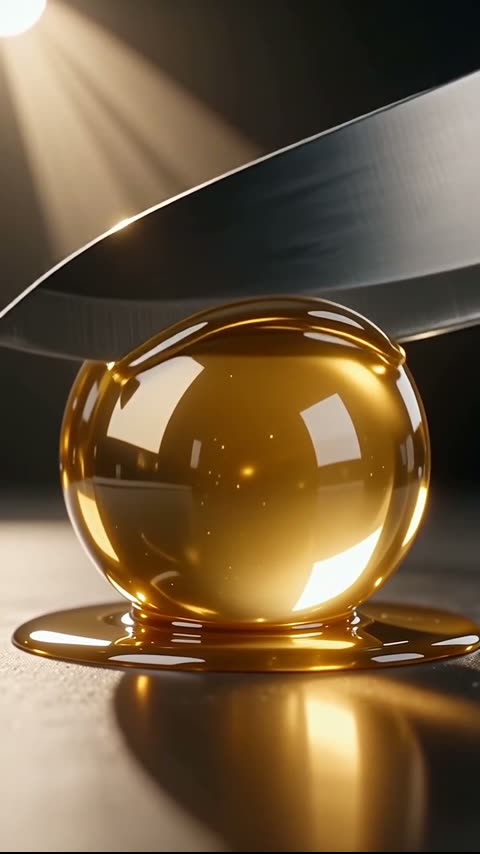
✨ Impossible ASMR
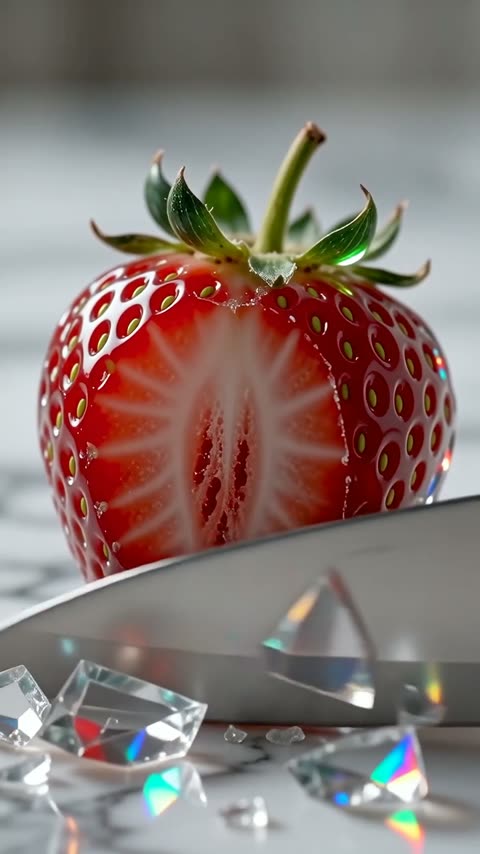
🔮 Glass Fruit Cutting
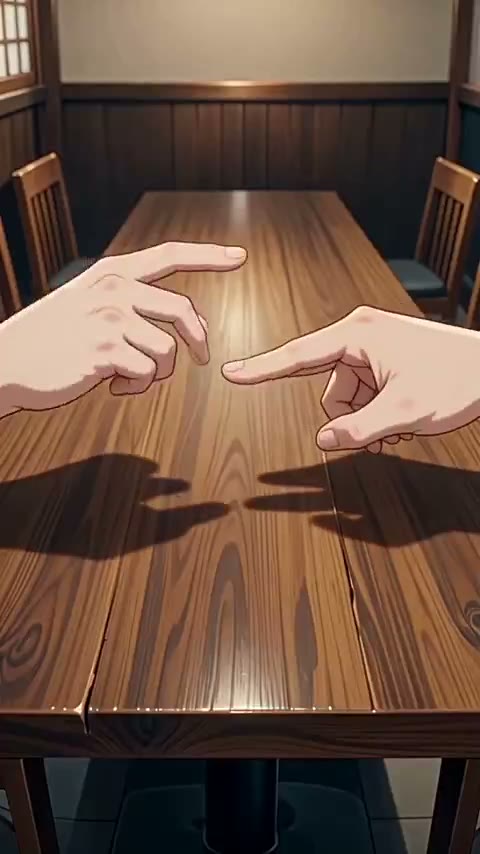
🍜 Food Summon Jutsu

🐶 Talking Animals
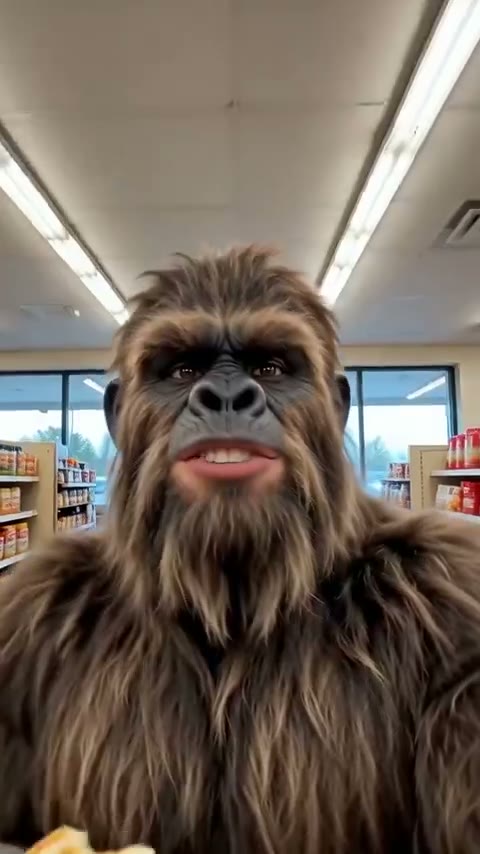
🦶 Cryptid Vlog
🏙️ Giant Encounter
Now automate it — see a real sample of what it posts, free
Watch a real sample video free. No credit card required.
Watch it free