Guides
YouTube Shorts Auto Publishing That Runs Daily
YouTube Shorts auto publishing turns a content series into scheduled output. Learn what to automate, review, and measure to keep your channel on track.
YouTube Shorts auto publishing turns a content series into scheduled output. Learn what to automate, review, and measure to keep your channel on track.
A daily Shorts channel rarely fails because the creator ran out of ideas. It fails because every video requires a new round of research, scripting, visual sourcing, editing, captioning, exporting, and posting. YouTube Shorts auto publishing changes that equation by turning a content concept into a scheduled operating system instead of a recurring to-do list.
For faceless channel owners, marketers, and small teams, the goal is not simply to post faster. It is to create a dependable flow of publishable videos while keeping enough control to protect the channel’s quality, voice, and monetization potential.
What YouTube Shorts auto publishing actually means
At its best, YouTube Shorts auto publishing connects content production to a publishing schedule. A video is created, rendered in the correct vertical format, assigned a title and metadata, then posted to YouTube at the cadence you set. No downloading files, moving them between tools, or remembering to hit Publish at 9 a.m.
That distinction matters. Scheduling a finished video is useful, but it still leaves you with the production work. A complete automated workflow starts further upstream: it helps turn a defined niche and repeatable format into scripts, voiceovers, visuals, captions, and finished Shorts that can be scheduled for publication.
The result should feel less like a video editor and more like a channel engine. Pick the series once, set the cadence, and let the system produce the daily output.
Why posting is the easy part
Creators often look for auto publishing after they have already built a slow production stack. They may use one tool for ideas, another for scripts, a stock library for clips, an editor for pacing, a captioning app, and YouTube Studio for uploads. Automating the last click helps, but it does not fix the bottleneck.
The real win comes from removing handoffs. Every handoff adds delay and creates a point where a daily posting habit can break. A three-minute task repeated every day becomes an hour each month. A 30-minute editing task becomes a part-time job when you run multiple channels or test multiple niches.
A production-and-publishing pipeline also makes consistency more realistic. You can decide that a personal-finance series posts every weekday, a motivational series posts twice daily, or a multilingual product education series runs across separate channels. The system follows the rules. You focus on the decisions that require judgment.
Build a series before you automate a schedule
Automation amplifies whatever you give it. If the niche is vague and the format changes every day, automated publishing will deliver inconsistent videos at a faster rate. Start with a series people can recognize in the first second.
A strong Shorts series has a clear audience, a repeatable promise, and a visual language that matches the topic. For example, “one overlooked productivity habit each day” is easier to operate than “general self-improvement.” “Three fast facts about luxury real estate” gives the script, visuals, pacing, and hook a clear direction.
Choose a cadence that matches your supply of credible ideas and your ability to review performance. Daily output is a strong starting point for most faceless channels. Posting three low-quality videos a day just because a tool can generate them is not a growth strategy. More volume creates more testing opportunities, but only if each video has a reason to exist.
You also need a practical content boundary. Define topics you will not cover, claims you will not make, and sources or categories that need human review. This is especially important in finance, health, legal, news, and other high-stakes niches. Automation can create speed. It should not replace accountability.
The production workflow that makes auto publishing useful
A reliable workflow follows the order viewers experience: hook, value, proof or progression, and a clean ending. The technology behind it can be advanced, but the output still needs to feel made for Shorts.
Kineclip is built around that channel-first approach. You configure a niche, visual style, voice, language, publishing cadence, and destination platform. GPT-4o generates niche-specific scripts, OpenAI TTS creates the voiceover, Flux supplies visual assets, and the system renders word-timed burned-in captions, music, and vertical 1080 by 1920 video.
The practical benefit is not that every component is AI. It is that the components operate as one production line. The script is built for the voiceover. The visuals follow the script. Captions are timed to the spoken words. The final file is already formatted for the feed where it will be watched.
Before publishing, check the elements that most affect whether someone stops scrolling: the opening line, the first visual, caption readability, pacing, and the accuracy of the central claim. These checks are fast when you are reviewing a completed Short instead of assembling it from raw parts.
What to automate and what to keep human
The best YouTube Shorts auto publishing setup is not fully blind. It is selective. Automate the repetitive production work and retain control over strategic direction.
Automate recurring topics within an approved series, first-draft scripts, voice generation, visual assembly, caption timing, rendering, scheduling, and YouTube posting. These are structured tasks with clear rules. They are also the tasks that consume the most operational time.
Keep a human involved in channel positioning, sensitive claims, brand voice, major trend decisions, and performance review. If a topic suddenly becomes controversial, if a script makes a claim that needs verification, or if a series starts attracting the wrong audience, you need a person who can adjust the system.
This balance is especially valuable for agencies and small teams. One operator can manage multiple series without becoming the production department for every channel. The work shifts from editing every frame to setting standards, approving exceptions, and using data to improve the next batch.
Set publishing rules that support reach
A scheduled Short needs more than a time slot. Give each series a consistent publishing rule, but do not treat the schedule as sacred. Start with the times your audience is likely to be active, then use channel data to refine the window over several weeks.
Titles should create curiosity without promising something the video does not deliver. Keep them specific and aligned with the hook. Metadata matters less than the video itself for Shorts discovery, but clear titles help viewers understand what they are watching and can support search-based discovery.
Watch for accidental repetition. Automated systems can produce several videos that use the same hook pattern, visual rhythm, or topic angle. That may be acceptable for a proven format, but it can also cause a series to feel interchangeable. Rotate angles: myths, mistakes, rankings, comparisons, quick stories, surprising facts, and tactical tips all give a niche more range.
Measure the series, not just individual videos
A Short that underperforms is not automatically a bad video. The opening may have missed, the topic may have been too narrow, or the audience may not yet understand the series. Look for patterns across a meaningful batch of uploads.
Focus on viewed versus swiped away, audience retention, average view duration, replays, likes, comments, shares, and subscribers gained per video. Retention tells you whether the video earns attention after the hook. Shares and comments often tell you whether the topic carries enough identity, surprise, or usefulness to travel beyond passive viewing.
Use those signals to update the system. If comparison formats hold attention longer than fact lists, generate more comparisons. If one voice or visual style consistently earns better retention, make it the default. If a topic generates views but no subscribers, tighten the series promise so people know why they should return.
Avoid the two automation traps
The first trap is publishing without a quality bar. Fast output is only an advantage when each video is coherent, accurate, readable, and on-brand. Review early batches closely, especially when launching a new niche, voice, or language.
The second trap is treating automation as a substitute for experimentation. A fixed daily schedule gives you consistency, not guaranteed growth. Test hooks, formats, visual styles, lengths, and topic clusters with intention. Then turn the winners into repeatable series.
YouTube Shorts auto publishing works when it gives you more time for the decisions that move a channel forward. Build the series, set the rules, watch the response, and let the production work run in the background while you keep steering the channel.
See what a series looks like
How Kineclip helps
Kineclip is the practical implementation of the workflow described above — pick a niche, set a schedule, and the system produces vertical videos end-to-end.
Try Kineclip's series workflow →Related articles
Guides
AI Video Generator Comparison for Daily Shorts
An AI video generator comparison for creators who need more than a clip: compare workflow, control, output, and publishing for daily short-form growth.
Guides
Are Faceless Channels Profitable? The Real Math
Are faceless channels profitable? See the revenue math, the costs, and the publishing system that turns short-form output into a real asset over time.
Guides
Short Form Video Strategy That Runs Every Day
Build a short form video strategy that turns one niche into a repeatable pipeline for ideas, videos, captions, scheduling, and measurable reach at scale.
Make videos like these with AI
40+ viral templates — ASMR, talking characters, POV and more. Pick one and see a real sample in seconds.

✨ Impossible ASMR
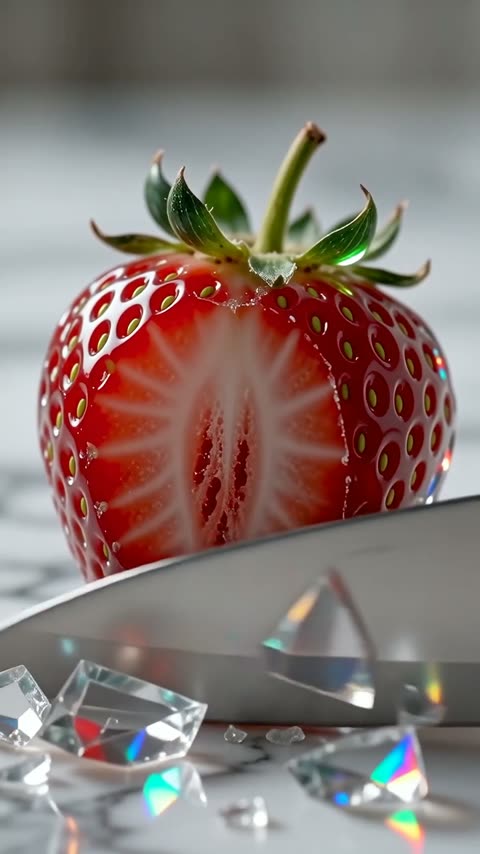
🔮 Glass Fruit Cutting

🍜 Food Summon Jutsu

🐶 Talking Animals

🦶 Cryptid Vlog

🏙️ Giant Encounter
Do it the easy way — see what the workflow makes, free
Watch a real sample video free. No credit card required.
Watch it free