Platform Tips
Best YouTube Shorts Niches for 2026: 12 Ideas to Test
Choose a YouTube Shorts niche with 12 concrete episode ideas, a repeatability test and originality checks. Compare production fit without promised RPM or growth.
Pick a Shorts niche you can research, explain visually and revisit with genuinely different episodes. These twelve editorial ideas help compare production fit; they are not a measured ranking of revenue or growth.
A useful YouTube Shorts niche is more specific than a category. “History” is a subject; “one overlooked decision and its consequence” is a repeatable promise to a viewer. Choose the promise before choosing a production tool.
The twelve ideas below are an editorial shortlist for planning, not a dataset of channel earnings or a forecast of which account will grow fastest. For the related platform, see our TikTok niche guide.
Test the series premise before producing a batch
- Name the viewer. “Someone deciding which desk setup to try” is more actionable than “everyone interested in technology.”
- Write the payoff. State the question you will answer or the decision you will help someone make. Remove background that does not serve it.
- List five distinct episodes. Each should have a different central example, explanation or story. A repeated intro can be consistent; a repeated substance is not a series plan.
- Identify what you can verify. Save primary sources with your outline. Plan original commentary, examples or a point of view instead of reading another article aloud.
- Choose honest visuals. Use illustrations for explanation. If the episode depends on a real test or demonstration, capture that evidence rather than generating an imitation.
The 12 niche ideas and how to make each specific
1. Finance and money tips
Explain one concept with a worked example, such as why an annual bill differs from a monthly equivalent. Check calculations and avoid personal investment recommendations.
2. Tech and AI news
Explain what one announced feature changes for a specific user. Date the episode, use the vendor's documentation, and distinguish an announcement from your own hands-on result.
3. History and historical stories
Follow a single decision, artifact or journey. A named source and a clear timeline give the episode a focus; AI illustrations should not masquerade as archival footage.
4. Motivation and self-improvement
Offer a concrete routine for one situation, such as starting a study session. Show the action rather than rewording an inspirational quote in every episode.
5. Psychology and human behavior
Explain a researched concept through an everyday example. Distinguish a useful analogy from a clinical diagnosis, and retain the underlying source.
6. Horror and scary stories
Create an original fictional premise with a beginning, change and ending. Label it as fiction and make each story materially different from the previous episode.
7. True crime
Explain a verified event or timeline without graphic detail. Budget time for fact-checking and corrections; sensitivity and sourcing matter more than publishing speed.
8. Health and fitness
Choose a topic you have the expertise to explain safely. Do not turn an AI illustration into evidence for a medical claim or a demonstration of correct exercise form.
9. Did-you-know facts
Answer one specific question and explain the answer. Keep a reference for each factual claim and avoid padding several unrelated facts into one video.
10. Space and science
Use a diagram or narrated illustration to explain a narrow mechanism. Check units, scale and uncertainty, and do not present a generated image as an actual observation.
11. Relationships and dating
Use a clearly fictional situation to discuss communication choices. Avoid diagnosing a real person or promising a universal rule about how someone will behave.
12. Luxury and lifestyle
Explain design history, materials or a documented comparison. Do not imply ownership, authentic product testing or verified prices based only on generated imagery.
Choose a format that matches the question
A story needs a sequence of events. An explainer needs a question and an answer. A ranking needs comparable items and one criterion. Do not force five unrelated facts into a “best to worst” order just to use a popular format.
For a comparison episode, start with how to make ranking videos with AI, then adapt the worked ranking script template. Its example is an opinionated demonstration, not a product benchmark.
Review originality before monetization
YouTube's channel monetization policies distinguish original, authentic work from repetitive, mass-produced and reused content. Using AI does not replace that review. Give each episode distinct substance and check the channel as a whole, not only whether a file rendered successfully. Read the policy itself before planning revenue.
Run a small test you can learn from
Choose one premise and make a small batch with different questions. Keep a simple log: topic, source, opening line, finished duration, audience feedback and watch-time data when available. Compare the episodes against your own baseline. Do not label one outlier a winning niche or change every variable at once.
Include research and review in the production time you record. If checking the topic takes more time than you can sustain, narrow it or select a different premise before increasing your output.
Where Kineclip fits
Kineclip can help produce narrated, captioned short videos. General ideas in this article are broader than the supported Kineclip niches. Check the available niche and product line first, then use the YouTube Shorts workflow to understand production and delivery.
Watch a free sample without a card to inspect the output. It is an existing example, not a custom render. Compare Motion Stills and Animated pricing when you are ready to create your own series. A subscription buys production capacity, not a promise of views or monetization.
Frequently asked questions
Which YouTube Shorts niche pays the most?
This guide does not establish a universal Shorts earnings ranking. A niche label alone does not tell you what a channel will earn. Treat revenue claims as unproven unless their data, audience, dates and monetization model are disclosed.
Can an AI faceless channel be monetized?
AI use alone does not establish approval or rejection. YouTube reviews originality, authenticity and the channel's compliance with its policies. A repeated template with minimal variation is a risk; each finished episode needs its own substance and value.
Are all twelve niches available in Kineclip?
No. These are general creator ideas. Check Kineclip's current niche chooser and compare Animated with Motion Stills before selecting a plan; the supported sets differ.
See what a series looks like
How Kineclip helps
Kineclip handles the tactics in this article automatically — vertical format, optimal length, captions, scheduling, and consistent daily posting.
Try Kineclip's series workflow →Related articles
Platform Tips
Caption Readability Checklist for Short Videos
A checklist for captions people can read on a phone: WCAG contrast ratios, size, line length, timing, safe zones and the trade-offs of burned-in captions.
Platform Tips
Flashing, Strobing and Motion: A Safety Guide
What the WCAG three-flash threshold says, which short-video effects risk triggering photosensitive reactions, and how to review AI-made videos for them.
Platform Tips
YouTube Shorts Upload Checklist for Faceless Creators
What to check on YouTube before and after a faceless Short goes live: length, format, the altered-content setting, title, description, visibility, monetisation.
Make videos like these with AI
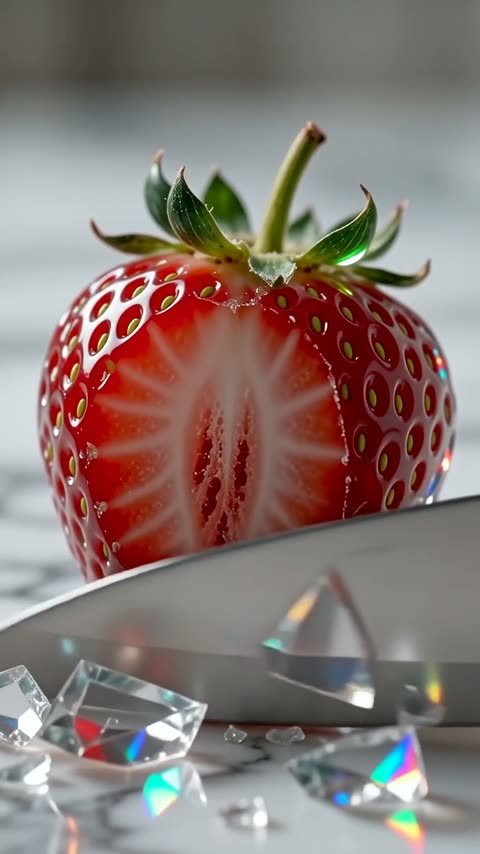
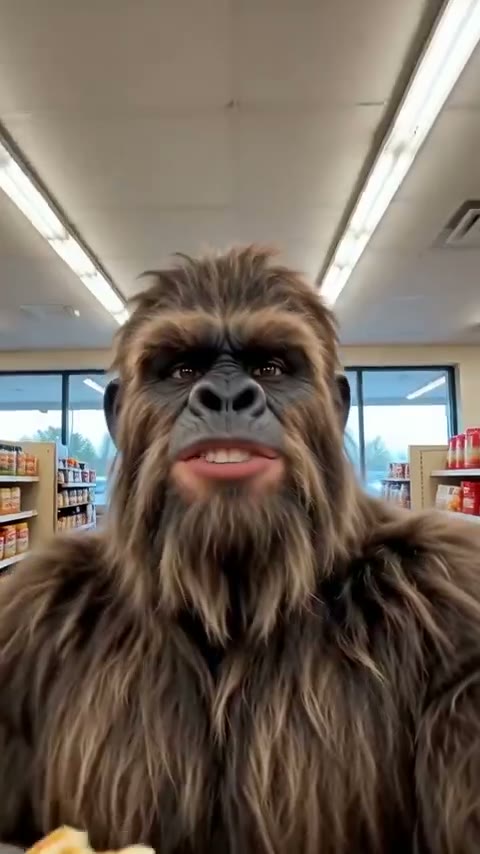
40+ viral templates — ASMR, talking characters, POV and more. Pick one and see a real sample in seconds.

✨ Impossible ASMR
🔮 Glass Fruit Cutting

🍜 Food Summon Jutsu

🐶 Talking Animals
🦶 Cryptid Vlog

🏙️ Giant Encounter
Now automate it — see a real sample of what it posts, free
Watch a real sample video free. No credit card required.
Watch it free