Guides
Troubleshooting AI Short Videos: Symptoms and Fixes
A symptom-first guide to fixing AI-generated Shorts: weak openings, robotic narration, unreadable captions, mismatched visuals, wrong facts and weak retention.
Start from what you can see or hear, find the likely cause in the pipeline, change one thing, and judge it across several videos. The supported fixes are series settings, source text and post copy; a finished video cannot be edited.
When an AI-generated video disappoints, the instinct is to regenerate and hope. A better habit is to describe the symptom exactly, find where in the pipeline it likely arose and change that one thing.
The table below maps ten common symptoms to the stage most likely responsible. Treat the causes as hypotheses to test, not certainties.
Symptom to fix
| Symptom | Likely cause | Fix |
|---|---|---|
| Viewers leave in the first seconds | Opening line is generic or slow | Review the series’s hook style. The Script Editor can draft alternative openings for you to read, but they do not change what a series generates. See hook rewrites. |
| Narration sounds robotic or flat | Script written for the eye, or an ill-fitting voice | Audition other voices in the series settings. Wording is written by Kineclip; short sentences and natural pauses are advice for text you write yourself. See scripts for text-to-speech. |
| Captions are hard to read | Caption style, background contrast or length of lines | Try another preset; see the caption checklist. |
| Visuals do not match the words | Abstract or metaphorical wording; style does not suit the topic | Try another art style. If you supply source text, concrete nouns give the visuals more to show. See the storyboard template. |
| A fact is wrong | The script contains an error | Do not post it. Check the claim; finished videos cannot be edited, so create a new video from corrected source text or drop the topic. See the fact-check checklist. |
| The video drags in the middle | Too many scenes for the idea, or no mid-video development | Use a shorter length preset; structure with three acts. |
| The ending just stops | No payoff or next step | An ending cannot be edited after generation. Judge later videos against the guide, and if endings are consistently weak, change the formats or supply source text with a clear payoff. See how to end a short video. |
| Videos feel repetitive | One format, one hook style, or a narrow topic | Add formats; see running out of ideas. |
| Strong views, weak follows | The video rewards the viewer without a reason to return | Keep the channel promise consistent; read the analytics guide. |
| Motion feels distracting | Motion toggle or visual intensity | Turn motion off for the series and compare. See motion safety. |
The order to work in
- Facts and policy first. A wrong fact or a policy problem outweighs polish.
- Opening next. If the first seconds fail, nothing later matters.
- Narration and captions. They carry the video for viewers who watch muted or listen.
- Visuals and motion.
- Ending and length.
Which fixes are what kind
- Supported Kineclip actions:
- Series settings: voice, art style, captions, formats, length, motion. They affect later videos.
- Source text: Create from source, or a queued series story draft. Kineclip writes its own wording from your text.
- Post copy: title, caption and hashtags can be edited and regenerated before a post goes out.
- Drafting advice, outside the render: hook wording, sentence length, structure and fact checks are things to apply to text you write. The Script Editor can analyse and rewrite a draft, but it does not render video and does not feed a series. See how to use the Script Editor before you generate.
- A different tool: when you need to control exact frames, show a person, or keep a specific script verbatim.
Avoiding the regenerate loop
A finished video cannot be re-rendered, so “trying again” means spending credits on a new video, for example with Create from source. Set a budget limit in advance, such as two new attempts per topic; that is a suggested limit, not a measured threshold. After that, drop the topic or change the cause. Credits are finite. When a pattern repeats across videos, go to the series setup decisions and change the relevant setting. If nothing helps over a few weeks, the series health check will help you decide what next.
Frequently asked questions
How many videos should I judge before changing something?
More than one. A single weak video can be a topic problem. A pattern across several videos points to a setting.
Can I edit a finished Kineclip video?
No. A finished video cannot be edited or re-rendered, and Kineclip is not a timeline editor. Changing a series setting affects later videos, not ones already made. If the content was wrong, Create from source with corrected text makes a new video with Kineclip's own wording. For a video that has not been posted yet, you can edit and regenerate its title, caption and hashtags on connected platforms.
What if the facts are wrong?
Do not publish it. Check claims against a reliable source using the fact-check checklist. A finished video cannot be corrected in place, so either create a new one from source text whose facts you have checked, or leave the topic out. AI-written scripts can contain errors.
When is it the wrong tool?
When you need frame-level control, a specific on-camera presenter or an exact script rendered word for word. Kineclip is built for faceless, scheduled, voiced and captioned Shorts. The honest-limits article explains when to look elsewhere.
See what a series looks like
How Kineclip helps
Kineclip is the practical implementation of the workflow described above — pick a niche, set a schedule, and the system produces vertical videos end-to-end.
Try Kineclip's series workflow →Related articles
Guides
Storyboard Template for Faceless Short Videos
A copy-and-paste storyboard table for 60-second faceless videos: narration, visual and change per scene, with a worked example and the mistakes it catches.
Guides
Hook Rewrite Clinic: 12 Weak Openers, Fixed
Twelve weak short-video openers rewritten one at a time, with the reason each fix works and a four-question test you can run on your own first line.
Guides
How to End a Short Video: Payoffs, Loops and CTAs
Three jobs an ending can do for a faceless short, with before-and-after examples, a loop-ending technique and the one call to action worth keeping.
Make videos like these with AI
40+ viral templates — ASMR, talking characters, POV and more. Pick one and see a real sample in seconds.

✨ Impossible ASMR
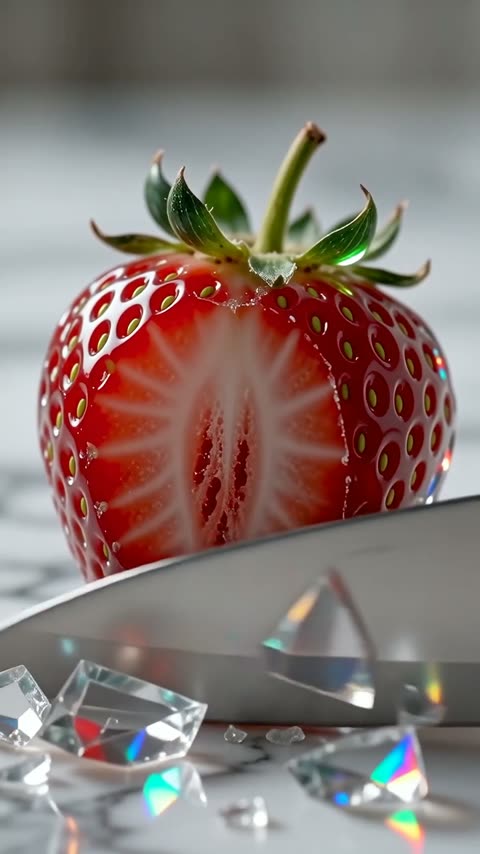
🔮 Glass Fruit Cutting
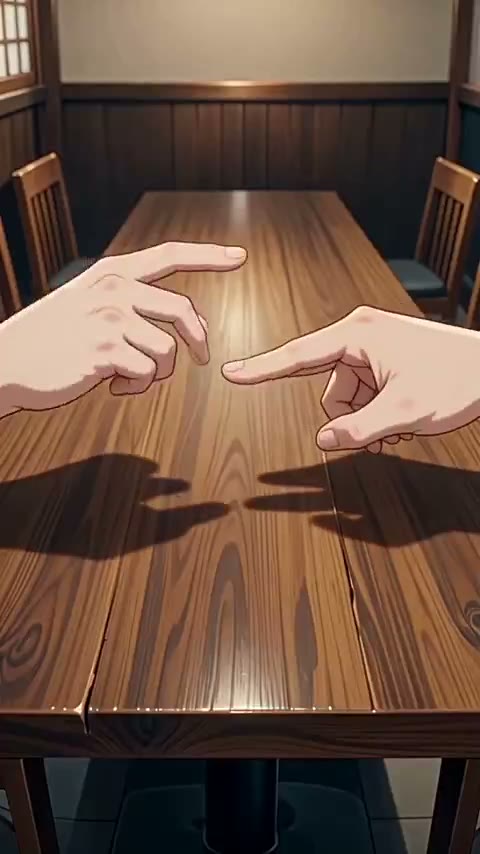
🍜 Food Summon Jutsu

🐶 Talking Animals
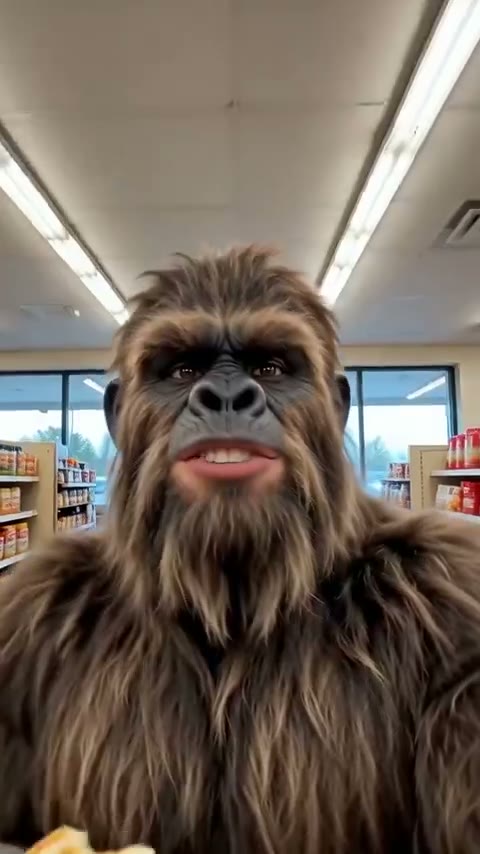
🦶 Cryptid Vlog

🏙️ Giant Encounter
Do it the easy way — see what the workflow makes, free
Watch a real sample video free. No credit card required.
Watch it free