Guides
Writing Scripts for Text-to-Speech Narration
How to write lines that AI voices read naturally: numbers, names, abbreviations, punctuation as pacing, sentence length and a read-aloud test with examples.
A text-to-speech voice reads exactly what is written. Spell out numbers and symbols the way you would say them, keep sentences short, use punctuation for pauses and check anything unusual by ear before publishing.
A human narrator reads a script and corrects it on the fly: they slow down for a clumsy sentence and mispronounce nothing twice. A text-to-speech voice reads exactly what is on the page. That makes script-level fixes the most dependable way to improve narration when you control the script.
The advice below applies to any AI voice, and it is drafting advice. Kineclip writes its own final wording for every series video, so you cannot type a respelling or a pause into a series. What you can do in Kineclip is review the audio against these rules, choose another voice in the series settings, and put clear, speakable source text into Create from source or a queued series story draft, knowing Kineclip may still rephrase it.
Write numbers the way you would say them
| On the page | Safer for a voice |
|---|---|
| 3.5 | three and a half, or three point five (choose the one you mean) |
| $5M | five million dollars |
| 10k | ten thousand |
| 1990s | the nineteen-nineties |
| 2026 | twenty twenty-six |
| #1 | number one |
| 50% | fifty percent |
Different voices and tools handle these differently, which is exactly why you check them by ear. If a number is central to the video, say it in spoken form in the script.
Expand abbreviations and symbols
- Spell out “vs.” as “versus,” “approx.” as “about,” and “e.g.” as “for example.”
- Read acronyms intentionally: “NASA” is a word; “FBI” is letters. If a voice gets one wrong, separate the letters with spaces or rewrite it.
- Avoid symbols that have no natural spoken form: slashes, arrows, ampersands in strings.
Names and unusual words
These are the main source of audible errors. Options, in order of preference:
- Avoid the word. Replace a hard-to-pronounce name with a description (“the Roman general”) when the name does not matter.
- Respell it phonetically in the script, such as “Nik-ee”. This sometimes shows in captions, so check how the captions render.
- Use it once. If an unusual name is required, say it once clearly and use pronouns afterwards.
Punctuation is pacing
| Mark | What most voices do |
|---|---|
| Full stop | A clear pause and a falling tone |
| Comma | A short pause |
| Question mark | A rising tone at the end |
| Dash or ellipsis | A longer pause or a trailing tone; results vary by voice |
| All capitals | Often read as letters or ignored; avoid for emphasis |
Use full stops to create the beat before a reveal. “The door was open. Inside, there was nothing.” reads very differently from the same words joined with a comma.
Sentence length
Aim for sentences you can say in a single breath, usually under about 20 words. Long sentences with several clauses cause flat, rushed delivery, and they are also harder to caption well. Break them where a natural pause would fall.
The read-aloud test
- Read the script aloud, at the speed you expect the voice to use.
- Mark every place you stumble. If you stumble, the voice probably will too.
- Mark every word you were unsure how to say. Those are your pronunciation risks.
- Listen to the finished audio once with the screen off. Anything you noticed in step 2 or 3 is the first thing to check.
Choosing the voice
Some voices handle humour, solemn topics or fast facts better than others. The voice selection guide covers how to audition, and the AI versus human voiceover article is useful if you are deciding whether synthetic narration suits your channel at all. For platform rules on monetising AI voices, read is AI voiceover monetizable.
Include the audio check in your regular review: the pre-publish checklist lists what to listen for.
Frequently asked questions
Can I fix a mispronounced word after the video is made?
Not in Kineclip: a finished video cannot be edited or re-rendered. Respelling or rephrasing is script-level advice for text you write yourself, for other text-to-speech tools. In Kineclip, which writes its own wording, your options are a different voice for later videos, source text that avoids the hard word (though Kineclip may still use it), or not posting that video. Check the key words of every video by ear before publishing.
Does the choice of voice change how I should write?
Voices differ in speed, warmth and tolerance for long sentences. The writing rules here hold for any of them, and the voice-selection guide helps choose one that suits your niche.
Why do numbers sound wrong?
A voice has to decide how to read 2026, 3.5, 10k or $5M, and it may choose differently than you would. Writing the number in spoken form removes the guesswork.
Does Kineclip let me pick the voice?
Yes. A series has a voice setting, with previews so you can listen before choosing. The script itself is generated for you, which is why the review checklist matters.
See what a series looks like
How Kineclip helps
Kineclip is the practical implementation of the workflow described above — pick a niche, set a schedule, and the system produces vertical videos end-to-end.
Try Kineclip's series workflow →Related articles
Guides
Storyboard Template for Faceless Short Videos
A copy-and-paste storyboard table for 60-second faceless videos: narration, visual and change per scene, with a worked example and the mistakes it catches.
Guides
Hook Rewrite Clinic: 12 Weak Openers, Fixed
Twelve weak short-video openers rewritten one at a time, with the reason each fix works and a four-question test you can run on your own first line.
Guides
How to End a Short Video: Payoffs, Loops and CTAs
Three jobs an ending can do for a faceless short, with before-and-after examples, a loop-ending technique and the one call to action worth keeping.
Make videos like these with AI
40+ viral templates — ASMR, talking characters, POV and more. Pick one and see a real sample in seconds.

✨ Impossible ASMR

🔮 Glass Fruit Cutting

🍜 Food Summon Jutsu

🐶 Talking Animals
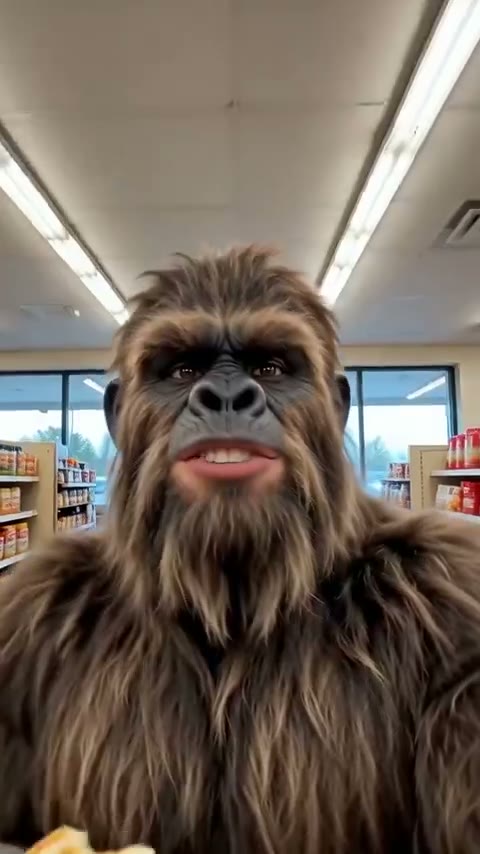
🦶 Cryptid Vlog

🏙️ Giant Encounter
Do it the easy way — see what the workflow makes, free
Watch a real sample video free. No credit card required.
Watch it free