Platform Tips
How to Write Viral Hooks for Short-Form Video (2026)
Nothing about a short-form video matters if the first three seconds fail. Here are the hook types, the exact lines, and the layers that stop the scroll.
A viral hook opens a loop in the first 1-3 seconds — a curiosity gap, a contrarian claim, a stake, a numbered promise, a direct callout, or a story cold-open. It works across three layers at once: the spoken line, the opening visual, and the on-screen caption. Nail the first three seconds and the algorithm carries the rest.
Every short-form video lives or dies in its first three seconds. Not the edit, not the payoff, not the call to action at the end — the opening. If the hook does not stop the thumb mid-scroll, nothing that follows gets seen, because nobody is still there to see it. This is the most important skill in short-form, and it is also the most fixable: a hook is a sentence, a caption, and a frame, and all three can be rewritten in minutes.
This guide is the practical version — the actual hook types, the exact lines they produce, and the three layers a hook works on at once. By the end you should be able to look at any opening and diagnose why it is holding or losing viewers, and rewrite it on the spot. If you want the broader picture of how the opening fits into a full script, the guide to writing viral short-form scripts covers the whole arc; this piece zooms all the way in on the seconds that decide everything.
Why the first three seconds decide retention
Short-form algorithms are retention machines. When a video is served to a viewer, the platform watches what happens in the opening moment: did they keep watching, or did they flick away? That early swipe-away rate is the harshest signal in the system. A clip that loses half its viewers in three seconds tells the algorithm the content is weak, and distribution collapses before the video ever had a chance.
This is why a mediocre video with a great hook routinely outperforms a brilliant video with a slow start. The hook is not a nice-to-have on top of good content — it is the gate that decides whether the good content gets distributed at all. If you want to understand exactly how that early-retention signal feeds distribution, the breakdown of how the TikTok algorithm works traces the whole loop from first view to For You page.
The six hook types that reliably work
Almost every viral opening is one of six shapes. Learn them as templates, then fill each with your niche. Most strong clips lead with one primary type, and the best sometimes stack a second underneath for extra pull.
- The curiosity gap. Open a loop and delay the answer. The viewer stays because the brain hates an unclosed question.
- The contrarian take. Challenge something the viewer assumes is true. Disagreement is friction, and friction stops scrolls.
- The stakes or warning. Something to gain, or something to avoid. Loss aversion is a stronger pull than curiosity.
- The listicle promise. A numbered payoff sets a clear expectation and a finish line the viewer wants to reach.
- The direct callout. Name the exact person watching so they feel the video is aimed at them specifically.
- The story cold-open. Drop into the tense middle of a moment, no setup, and let the viewer fall in mid-scene.
Concrete hook lines for faceless niches
Templates are useless without examples, so here are real opening lines by hook type, written for the faceless niches that do well on short-form. Notice how each one lands its tension inside the first sentence.
- Curiosity gap (history): "The most powerful army in the ancient world was destroyed by something you can buy at a grocery store."
- Contrarian (finance): "Saving money is keeping you poor — and the math is not close."
- Stakes / warning (psychology): "If you do this one thing in an argument, the other person has already stopped listening."
- Listicle (self-improvement): "Three habits that quietly rewire your brain in under a week."
- Direct callout (fitness): "If you train five days a week and still see nothing, this is the reason."
- Story cold-open (true crime): "At 2 a.m. the call came from inside her own house — and the police had just left."
Read each aloud and time it: none takes more than three seconds to say, and every one leaves a gap the viewer needs closed. That is the whole job of the verbal hook. If you are still choosing what to make, the most profitable faceless niches breakdown pairs well with these templates.
Hooks work on three layers, not one
Most creators write a spoken hook and stop there. But a short-form hook actually fires on three channels at once, and the strongest clips align all of them in the opening frame.
- The verbal layer — the narrated opening line, the one you just saw examples of. This is the hook most people mean.
- The visual layer — the very first frame. A striking, in-motion, or slightly confusing image buys attention before a single word is heard. A static, generic opening frame leaks viewers no matter how good the line is.
- The caption layer — the on-screen text. A large share of viewers watch muted, so the first caption is frequently the real hook. It should appear on frame one and mirror or sharpen the spoken line.
When all three agree — a bold caption, an arresting first frame, and a loop-opening line — the hook is nearly impossible to scroll past. When they contradict each other, or when two of the three are missing, even a great verbal line underperforms. Word-synced captions help here too: the moving highlight keeps the eye tracking the text, which physically holds the viewer through the critical window.
What kills a hook
Diagnosing a dead hook is faster than writing a new one once you know the usual killers. Watch for these in your own openings:
- Throat-clearing. "Hey guys, in today's video I want to talk about..." spends the entire attention window on nothing. Cut straight to the tension.
- Front-loaded context. Explaining background before the payoff. Open the loop first; the context can come after the viewer is committed.
- A vague promise. "This will change how you think about money" is weaker than a specific, testable claim. Specific beats grand every time.
- A slow visual. A logo intro, a fade-in, or a dull first frame. The first frame should already be the video.
- Burying the hook at second five. The best line in your script belongs in sentence one, not after a setup. If your strongest moment is later, move it to the front.
Testing and iterating on hooks
A hook is a hypothesis, and the retention graph is the only honest grader. Likes, shares, and even watch time on a single post can mislead; the early-retention curve cannot. If the line drops steeply in the first three seconds, the hook failed, full stop — no matter how strong the rest of the clip is.
The fastest way to improve is to test one variable at a time. Take a video that underperformed and repost it with only the opening line changed, or only the first caption, or only the opening frame. Compare the early-retention numbers. Over a few weeks you build an intuition for which hook types work in your specific niche — and that intuition compounds. The volume this requires is exactly why getting consistent TikTok views rewards creators who post daily and iterate, rather than agonizing over a single perfect clip.
Letting AI generate hook-first scripts
Writing a fresh, tension-loaded hook for every single video is the part that burns creators out — especially on a daily posting schedule. This is where AI scripting earns its place, if you prompt it correctly. Instead of asking for "a script about X," instruct the model to open on one of the six hook types, keep the opening line under fifteen words, and match the niche tone. Ask for ten hook variations and pick the strongest, rather than accepting the first thing it writes. If you would rather not engineer the prompt yourself, our AI video script generator drafts a hook-first script from a topic for free.
Better still, use a system where the hook is built into the scripting step by default. Kineclip generates hook-first scripts as the opening stage of its pipeline: each video leads on a loop-opening line, then narrates it, pairs it with a matching first frame, and burns in word-synced captions so all three hook layers land together — before the finished clip goes out to your channels. That is the whole premise of Kineclip's viral video generator: hooks, pacing and retention engineered into the script rather than bolted on afterwards. If you have been rewriting openings by hand for every upload, an end-to-end AI video generator shifts the work from writing hooks one at a time to reviewing them at volume.
The verdict: earn the first three seconds
Everything in short-form is downstream of the hook. Pick a hook type, write a line that opens a loop in under three seconds, align it with a sharp caption and an arresting first frame, then read your retention graph and iterate. Do that consistently and you stop guessing why some videos fly and others sink — you can see it in the first second of the curve. The creators who win short-form in 2026 are not the ones with the best cameras; they are the ones who never waste the opening. Master the hook, and the algorithm does the rest.
Related: To practise this, work through the hook rewrite clinic, and see how to test hooks without fooling yourself before you change a series because of one video.
Frequently asked questions
What makes a short-form hook go viral?
A viral hook creates an open loop in the first one to three seconds — a question the viewer needs answered, a claim they need to test, or a stake they cannot ignore. It works because the algorithm reads early retention as a quality signal: if people stay past second three, the video gets shown to more people. The hook is not decoration; it is the single biggest lever on how far a clip travels.
How long should a hook be?
The verbal hook should land inside the first three seconds, which is roughly the first one or two spoken sentences — about eight to fifteen words. Any longer and you are spending your most valuable attention window on setup. The rule of thumb: the viewer should know what tension or payoff they are waiting for before you finish your second sentence, with zero throat-clearing intro.
What are the main types of hooks?
The reliable six are the curiosity gap (open a loop, delay the answer), the contrarian take (challenge a common belief), the stakes or warning (something to gain or avoid), the listicle promise (a numbered payoff), the direct callout (name the exact viewer), and the story cold-open (drop into the tense moment). Most viral clips use one primary hook type, sometimes stacked with a second for extra pull.
Do captions matter for hooks?
Enormously. A large share of short-form viewers watch on mute or with sound low, so your on-screen caption is often the real hook. The first caption should mirror or sharpen the spoken hook and appear on frame one, not fade in. Word-synced captions that highlight each word as it is spoken also boost retention because the eye follows the moving text, which keeps the viewer physically engaged past the critical three-second mark.
How do I test whether a hook is working?
Watch the retention graph, not the like count. If the curve drops sharply in the first three seconds, the hook failed regardless of how good the rest is. Post several versions of the same video with different opening lines and compare early retention and average watch time. Change one variable at a time — the verbal line, the caption, or the opening visual — so you learn which layer actually moved the number.
Can AI write good hooks?
Yes, when it is prompted for spoken-word structure rather than blog prose. A language model can generate ten hook variations in seconds, each opening a different loop, so you pick the strongest instead of settling for your first idea. The key is instructing it to lead with the hook, keep it under fifteen words, and match the niche's tone. A hook-first script generator bakes those constraints in so every script opens on tension by default.
See what a series looks like
How Kineclip helps
Kineclip handles the tactics in this article automatically — vertical format, optimal length, captions, scheduling, and consistent daily posting.
Try Kineclip's series workflow →Related articles
Platform Tips
Caption Readability Checklist for Short Videos
A checklist for captions people can read on a phone: WCAG contrast ratios, size, line length, timing, safe zones and the trade-offs of burned-in captions.
Platform Tips
Flashing, Strobing and Motion: A Safety Guide
What the WCAG three-flash threshold says, which short-video effects risk triggering photosensitive reactions, and how to review AI-made videos for them.
Platform Tips
YouTube Shorts Upload Checklist for Faceless Creators
What to check on YouTube before and after a faceless Short goes live: length, format, the altered-content setting, title, description, visibility, monetisation.
Make videos like these with AI
40+ viral templates — ASMR, talking characters, POV and more. Pick one and see a real sample in seconds.

✨ Impossible ASMR
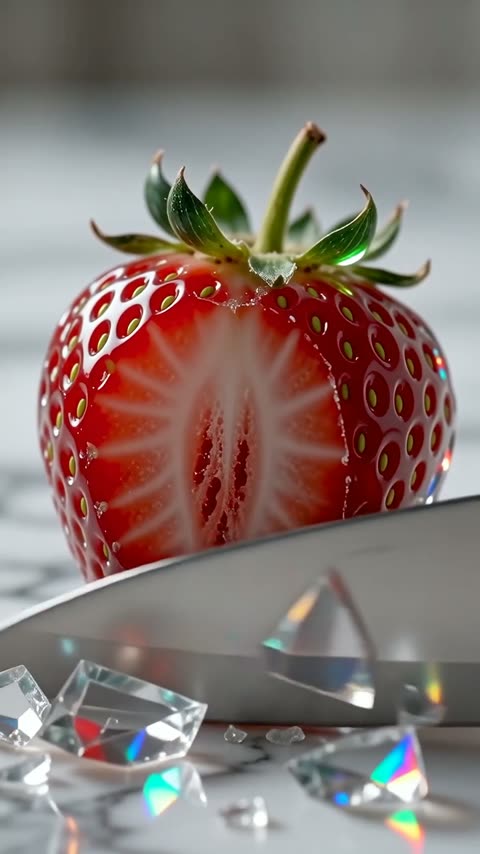
🔮 Glass Fruit Cutting

🍜 Food Summon Jutsu

🐶 Talking Animals
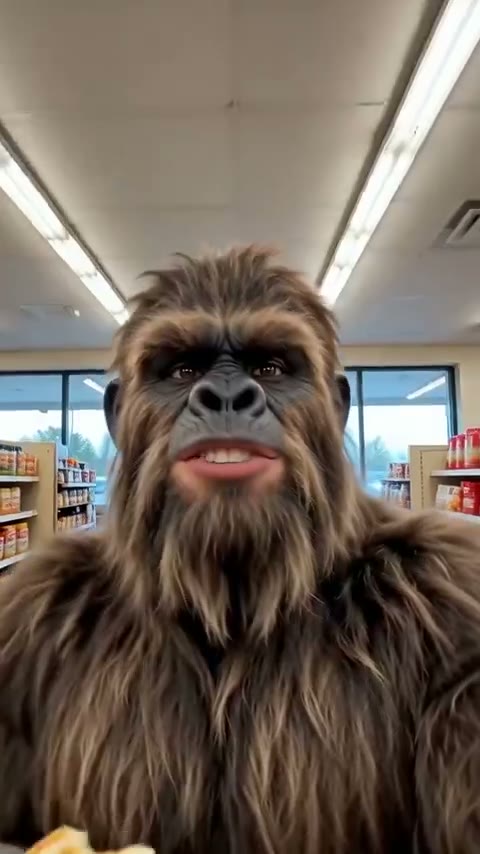
🦶 Cryptid Vlog

🏙️ Giant Encounter
Now automate it — see a real sample of what it posts, free
Watch a real sample video free. No credit card required.
Watch it free