Platform Tips
Why Your YouTube Shorts Get No Views (And How to Fix It)
Shorts with zero views usually fail in the first two seconds, not the algorithm. Here is how to diagnose the real cause and fix it.
Shorts with zero views usually fail in the first two seconds, not the algorithm. Here is how to diagnose the real cause and fix it.
A Short with 47 views after two days feels like the algorithm buried it. Almost always, something more specific happened: the video was shown to a small test audience, that audience swiped away quickly, and YouTube stopped showing it. The algorithm did not reject your video. Viewers did, and the algorithm listened.
That distinction matters because it changes what you fix. You cannot argue with a distribution system, but you can change what happens in the first two seconds.
Check Retention Before Anything Else
Open YouTube Studio, find the Short, and look at the audience retention graph. The shape tells you which problem you have.
A cliff in the first two seconds means the hook failed. Viewers saw the opening frame or heard the opening line and decided it was not for them. This is the most common failure and the easiest to fix.
A steady slide through the middle means the payoff is too far away. The video promised something and took too long to deliver. Cut the setup, not the ending.
A high, flat line with few views means the video is good but was never distributed widely. That usually points at topic demand rather than quality — you made something well for an audience that is not searching for it.
The First Two Seconds Carry the Whole Video
Short-form viewers decide before your first sentence finishes. That means the opening has to do three things at once: signal the topic, create a reason to stay, and look different from the last twenty videos in the feed.
Weak openings describe. Strong openings claim. "Here are some facts about the ocean" describes. "The deepest part of the ocean has never been photographed in full" claims something specific enough to make a viewer wait.
Visual openings matter as much as spoken ones. A slow fade, a title card, or a logo animation spends your most valuable two seconds on something the viewer did not ask for. Start on the most interesting frame you have.
Common Causes That Have Nothing to Do With the Algorithm
Before assuming suppression, rule out the ordinary explanations.
The topic has no audience. Some subjects are interesting to make and uninteresting to watch. If three videos on the same topic all underperform, the topic is the variable, not the editing.
Every video looks the same. Consistency in format helps. Consistency in opening frame hurts, because returning viewers recognize it and swipe. Vary the first shot even when the format repeats.
The video is too long for its idea. A 60-second Short carrying 20 seconds of substance will lose people at second 25. Length should follow the idea, not a target.
Captions are unreadable. Most short-form viewing happens with sound off or in bright light. Small, low-contrast, or fast-flashing captions cost you viewers who were otherwise willing to stay.
Posting More Will Not Fix a Format Problem
The standard advice is to post more. That works only if your format already holds attention — volume amplifies whatever your videos already do. If retention is poor, posting daily produces more poorly-retained videos and teaches you nothing new.
A better sequence is to fix retention on a small number of videos, confirm the fix with data, and only then increase output. Once a format reliably holds viewers past the halfway mark, consistency becomes the growth lever it is supposed to be.
This is where an automated pipeline earns its place: it removes the production cost of testing, so you can run five genuinely different hooks in the time it used to take to edit one video. Script structure is usually the highest-leverage thing to vary.
What to Change, In Order
Change one variable at a time or you will not know what worked.
Start with the hook line. Rewrite the first sentence of five videos to make a specific claim instead of an introduction. Publish and compare two-second retention.
Then change the opening frame. Use the most visually surprising moment of the video as the first thing on screen.
Then test length. Take a format that works at 60 seconds and try it at 35. Shorter often wins because the payoff arrives before patience runs out.
Only after those three should you touch posting time, hashtags, or thumbnails. Those affect distribution at the margins. Retention affects everything.
When Low Views Are Actually Fine
A channel's first 20 to 30 videos usually underperform regardless of quality, because YouTube has no signal yet about who should see them. Judging your format on video three is judging it on noise.
Give a format a fair sample — ten videos or so — before concluding it does not work. Look at the trend across those ten rather than the best or worst single result. If retention is climbing while views stay flat, the format is improving and distribution will follow.
See what a series looks like
How Kineclip helps
Kineclip handles the tactics in this article automatically — vertical format, optimal length, captions, scheduling, and consistent daily posting.
Try Kineclip's series workflow →Related articles
Platform Tips
How Often Should You Post YouTube Shorts?
Posting frequency matters less than most creators think, and in a specific way. What the cadence actually changes, and how to pick one you can hold.
Platform Tips
Do Hashtags Still Matter for Short-Form Video?
What hashtags actually do on Shorts, Reels and TikTok in 2026, how many to use, and why they are the last thing to optimize.
Platform Tips
Do You Have to Disclose AI-Generated Videos? (2026)
TikTok, YouTube, and Meta all have AI-content disclosure rules — but they don't all mean the same thing, and most of them don't mean what faceless creators assume. Here's what actually applies.
Make videos like these with AI
40+ viral templates — ASMR, talking characters, POV and more. Pick one and see a real sample in seconds.
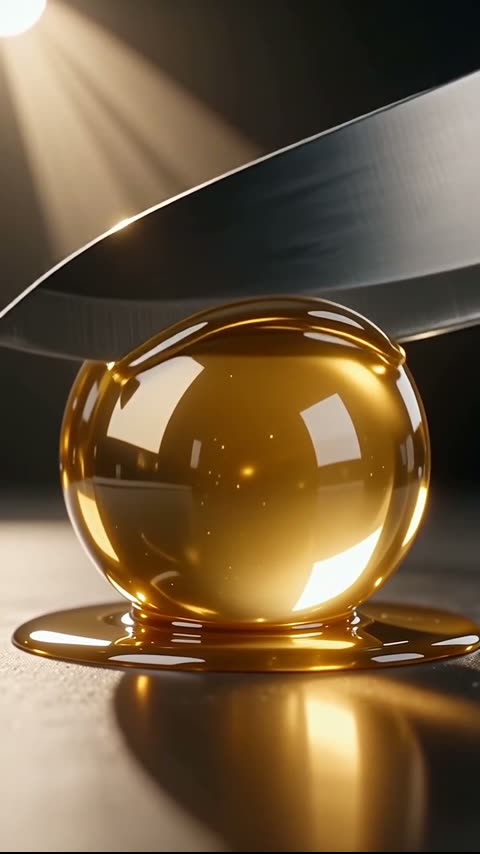
✨ Impossible ASMR
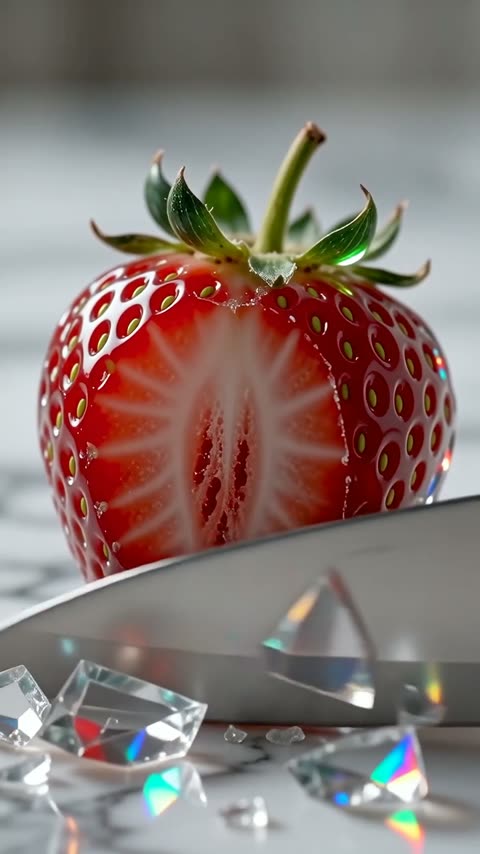
🔮 Glass Fruit Cutting
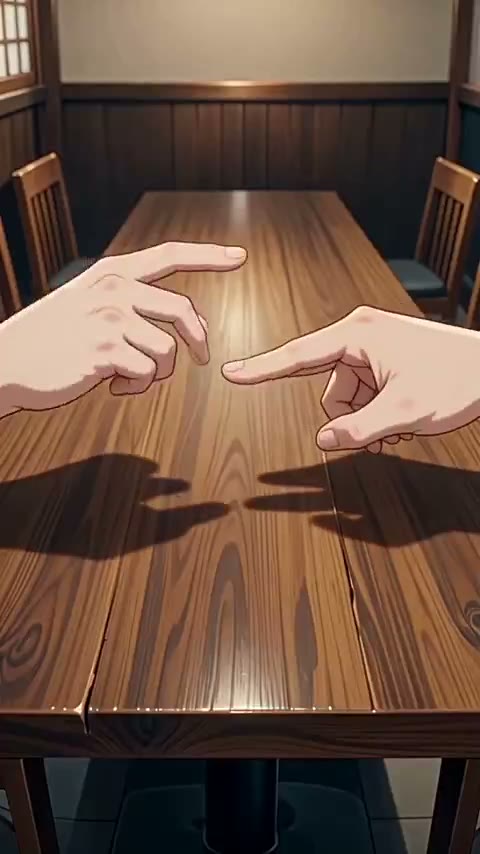
🍜 Food Summon Jutsu

🐶 Talking Animals
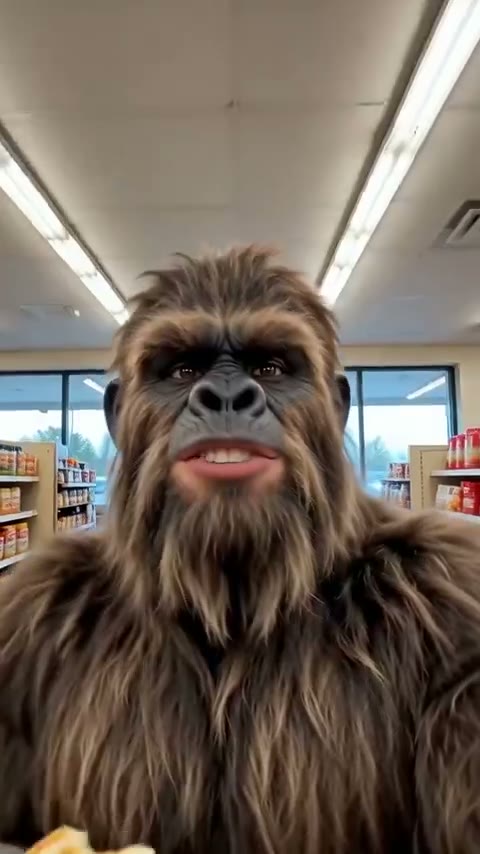
🦶 Cryptid Vlog

🏙️ Giant Encounter
Now automate it — see a real sample of what it posts, free
Watch a real sample video free. No credit card required.
Watch it free