Guides
Short Videos for Authors Who Won't Appear on Camera
How authors can promote books with faceless short videos: story hooks, topic explainers and reader questions from their own text, with spoiler and rights rules.
Do not try to summarise a whole book. Make short videos around one question, one scene premise or one idea from the book, using only your own text, and send viewers to the book with a plain next step.
Many authors are asked to “be on short video” and would rather not. A faceless approach puts the book, not the author, in front. It works best when each video does one small job, and it is limited by what a generator can do with a story.
Five video types for a book
| Type | Idea | Best for |
|---|---|---|
| The premise | The question or situation the book begins with | Fiction |
| The “what if” | The central dilemma, posed to the viewer | Fiction and narrative non-fiction |
| The surprising fact | A true detail behind the book | Historical fiction, non-fiction |
| The idea explained | One concept from the book in a minute | Non-fiction |
| The reader question | A question your readers ask, answered | Any genre |
Turning your text into a hook
- Find the first sentence in the book that makes someone want the second.
- Strip it of names the viewer does not know.
- Turn it into a question or a stake.
- Decide what the video promises, and give that and no more.
For the craft of openings, see the hook rewrite clinic.
A worked example (invented)
Book (invented): a historical novel about a mapmaker in 1790.
Video type: the surprising fact.
Source text you supply: "Some mapmakers planted a small invented place on their
maps, so they could spot anyone who copied them. In my novel, the heroine hides
something real inside one."
Hook: Mapmakers once invented towns on purpose. What if one hid something real?
Next step: The novel is linked in the profile.
The book, the details and the wording are invented. In a real case, every historical claim, including the mapmaking practice, must be checked.
Workflow in Kineclip
- Create a series whose style fits the genre. The closest niche may be a loose fit; check a few videos before committing. See the setup decisions.
- Open Create from source, paste your text and generate. Credits are used per video.
- Review for accuracy and tone. A generator may not catch the voice of your book; if it sounds off, shorten the source or pick another angle.
- Post with a clear title. See titles and descriptions.
Rules to keep
- Spoilers: keep to the first act or the premise. Never reveal an ending to sell a book.
- Rights: only your own text, or text you have licensed. Credit and link where relevant.
- Honest claims: no invented reviews, sales numbers or endorsements.
- Disclosure: where the narration or visuals are synthetic, say so as the platform requires. See the disclosure guide.
What a generator cannot do
It cannot read a manuscript and decide what matters, reproduce your style or guarantee that visuals match your characters. The editorial choices remain yours, which is as it should be. If your book needs precise visuals or your own voice, read when not to use AI faceless video. For turning other written material into video, see how to repurpose blog posts into videos.
Frequently asked questions
Can I paste a chapter?
You can paste text you own. The generator writes its own wording, so it will not reproduce your prose. For fiction, give it a premise or an excerpt and review whether the result sounds like your book.
Can I use another author's book?
No, not without permission. Summaries and excerpts of other people's work may infringe copyright, and platforms may remove such videos.
Does Kineclip have a books niche?
No. There is no books or authors niche and no free-text brief. Use Create from source with your own text in a series whose look and voice fit the genre.
Will it sell books?
There is no reliable way to promise that. Short videos can help readers discover a book, and results vary widely.
See what a series looks like
How Kineclip helps
Kineclip is the practical implementation of the workflow described above — pick a niche, set a schedule, and the system produces vertical videos end-to-end.
Try Kineclip's series workflow →Related articles
Guides
Storyboard Template for Faceless Short Videos
A copy-and-paste storyboard table for 60-second faceless videos: narration, visual and change per scene, with a worked example and the mistakes it catches.
Guides
Hook Rewrite Clinic: 12 Weak Openers, Fixed
Twelve weak short-video openers rewritten one at a time, with the reason each fix works and a four-question test you can run on your own first line.
Guides
How to End a Short Video: Payoffs, Loops and CTAs
Three jobs an ending can do for a faceless short, with before-and-after examples, a loop-ending technique and the one call to action worth keeping.
Make videos like these with AI
40+ viral templates — ASMR, talking characters, POV and more. Pick one and see a real sample in seconds.

✨ Impossible ASMR

🔮 Glass Fruit Cutting
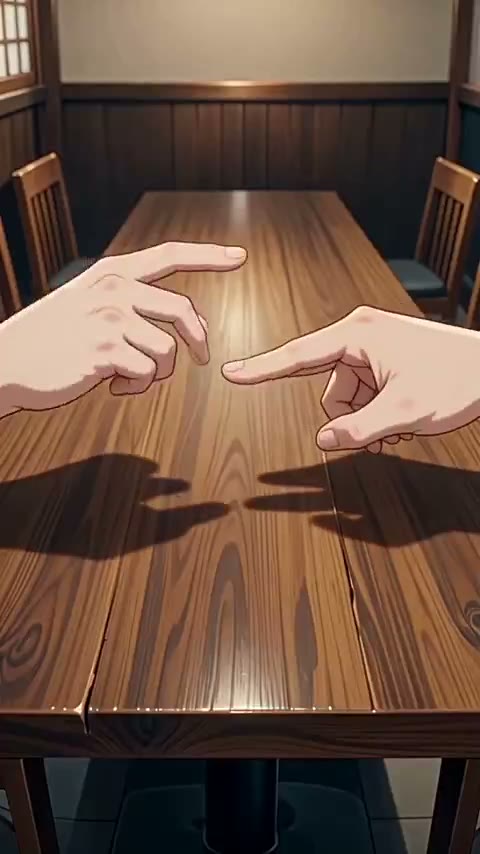
🍜 Food Summon Jutsu

🐶 Talking Animals
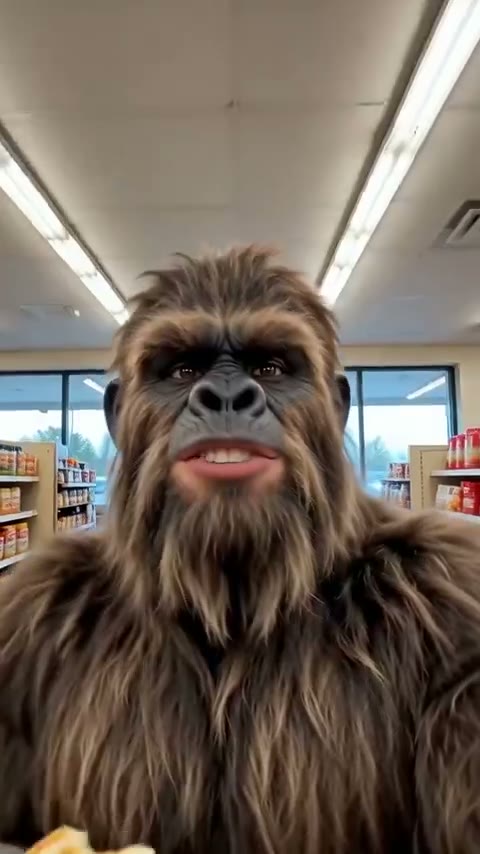
🦶 Cryptid Vlog
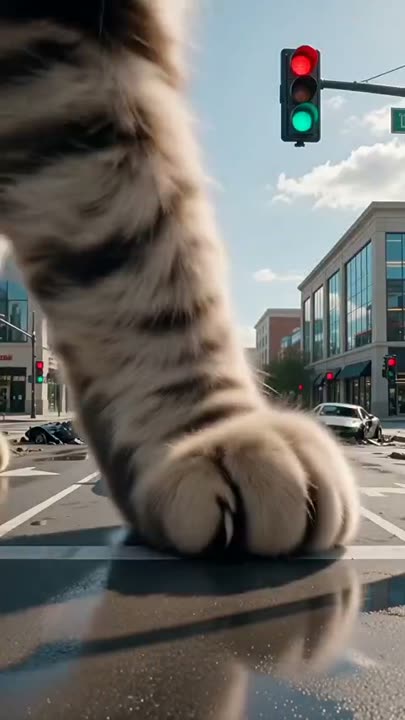
🏙️ Giant Encounter
Do it the easy way — see what the workflow makes, free
Watch a real sample video free. No credit card required.
Watch it free