Guides
How to Make AI YouTube Shorts in 2026 (Step by Step)
Everything you need to produce YouTube Shorts with AI in 2026 — script, voiceover, visuals, captions, and export — without filming or editing, then publish daily.
To make AI YouTube Shorts in 2026, generate a hook and script, add an AI voiceover, create matching visuals, burn in word-synced captions, export 9:16 at 1080x1920, then upload. An all-in-one AI Shorts generator can run the whole pipeline daily.
Learning how to make AI YouTube Shorts is one of the highest-impact skills for creators in 2026. The tooling has matured to the point where you can go from a topic to a finished, captioned vertical video without ever picking up a camera or opening a traditional editor. That changes the math entirely: instead of spending hours filming and cutting a single clip, you can spend minutes assembling one and put your energy into ideas and consistency.
Consistency is exactly what the Shorts feed rewards. The recommendation system surfaces individual videos to small test audiences and expands reach based on how those viewers respond, so the more quality Shorts you publish, the more chances you give a single clip to break out. Posting sporadically starves the algorithm of signals. AI removes the production bottleneck that used to make a steady daily cadence unrealistic, which is why an AI Shorts generator has become a core tool for serious channels rather than a novelty. If you want the deeper mechanics of distribution, the YouTube Shorts algorithm guide for 2026 breaks down what actually drives reach.
What you need to make AI YouTube Shorts
Before the steps, here is the short list of ingredients every AI Short needs. Whether you assemble them with separate tools or a single pipeline, the components are the same:
- A niche and topic — a clear lane and a specific idea for each clip.
- A hook and script — usually 80 to 150 words for a 30-to-60-second Short.
- A voiceover — an AI text-to-speech voice, or your own recorded narration if you prefer.
- Visuals — AI-generated images or video clips, B-roll, or simple animated text backgrounds.
- Word-synced captions — on-screen text that tracks the voiceover, since most Shorts are watched with the audio low.
- A 9:16 export — a vertical 1080x1920 file ready to upload.
There are two broad ways to put these together. The manual multi-tool route chains a script writer, a TTS tool, an image or video generator, and a caption editor by hand. The all-in-one route uses an AI Shorts generator that runs the full pipeline and hands you a finished clip. The steps below describe both so you can pick what fits your time and budget.
Step-by-step: how to make AI YouTube Shorts
1. Pick a niche and a topic
Start with a focused niche rather than posting random clips. A consistent topic helps the algorithm understand who to show your Shorts to and helps viewers decide to subscribe. Faceless formats — facts, history, psychology, finance explainers, motivation, and storytelling — are ideal for AI workflows because they do not need an on-camera presenter. If you are still choosing a lane, the guide to the best niches for YouTube Shorts in 2026 is a good starting point. Once your niche is set, brainstorm a backlog of specific topics so you never stare at a blank page on posting day.
2. Write or generate the hook and script
The first line is the whole game. You have roughly two seconds to stop a scroll, so your hook should promise a clear payoff, tease a surprising claim, or pose a question the viewer needs answered. Write the hook first, then the body, then a closing line that either loops back to the opening or prompts a comment.
You can draft this yourself, prompt a general AI writing assistant with your topic and target length, or let an AI Shorts maker generate a hook-led script tuned for vertical pacing. Keep scripts tight: for a 30-to-60-second Short, roughly 80 to 150 spoken words is a reasonable range. Read it aloud and cut anything that slows the first few seconds.
3. Generate the voiceover
AI text-to-speech has become convincing enough that a clean, well-paced synthetic voice works for the vast majority of faceless Shorts. Paste your script into a TTS tool, pick a voice that matches your niche tone, and generate the audio. For dramatic or narrative niches, use punctuation and phrasing to control pacing — short sentences and deliberate pauses read better than one long run-on line. If you would rather use your own voice, record the same script; the rest of the pipeline is identical.
4. Generate the visuals
Match visuals to what the voiceover is saying, scene by scene. AI image and video generators can produce backgrounds, characters, and B-roll on demand, and you can also mix in stock-style footage or animated text cards. The key constraint is vertical framing: generate or crop everything for a 9:16 canvas, keep important subjects centered, and leave breathing room at the top for the platform interface and at the bottom for captions. Aim for visual changes every few seconds to keep retention high — static clips lose viewers fast in the Shorts feed.
5. Add word-synced captions
Captions are not optional. A large share of Shorts are watched muted or with low volume, so on-screen text that tracks each word keeps viewers engaged and improves accessibility. Generate captions from your script or audio, style them with a large, readable font and a contrasting outline, and position them in the lower-middle of the frame so they sit above the on-screen UI but below your main subject. Word-by-word or phrase-by-phrase highlighting tends to outperform a static block of text.
6. Export at 9:16, 1080x1920
YouTube Shorts are vertical, so export at a 9:16 aspect ratio. The standard target is 1080x1920 pixels, which gives crisp playback on phones without ballooning file size. Confirm your frame rate is consistent (commonly 30fps), your audio is normalized so it is not too quiet, and the final duration fits the Shorts window. Keeping Shorts short and looping cleanly often helps rewatch rates. An all-in-one pipeline handles this export automatically; if you are working manually, double-check the dimensions before you upload.
7. Upload with Shorts best practices
Upload the vertical file to YouTube and let the platform classify it as a Short. A few practices consistently help:
- Title: write a clear, curiosity-driven title that matches the hook. Front-load the interesting part.
- First two seconds: make sure the visual and the spoken hook land immediately — this is where most viewers decide to stay or swipe.
- Loop: end the clip so it flows back into the opening. Seamless loops can lift rewatch counts.
- Hashtags and description: add a few relevant hashtags and a short description so the system understands the topic.
- Posting cadence: publish on a steady schedule. Roughly one to three Shorts per day is a common, sustainable target; pick a cadence you can actually maintain.
Publish daily AI Shorts on autopilot
Doing all seven steps by hand for one clip is manageable. Doing them every single day, for months, is where most creators burn out. That is the real argument for automation: not that AI makes a single Short possible, but that it makes a sustainable daily habit possible.
An all-in-one pipeline collapses scripting, voiceover, visuals, captions, and 9:16 export into one flow, and the most complete tools can publish the finished clip straight to your channel on a schedule. With Kineclip you configure a series once — niche, voice, and visual style — and the system produces and posts vertical videos for you. You can see the format in action on the YouTube Shorts use case page, or jump straight to the AI Shorts generator to set up your first series.
Whether you go fully automated or keep a human in the loop, the principle holds: AI removes the production tax so you can compete on ideas and consistency. Build a backlog of topics, keep your hooks sharp, publish faceless YouTube Shorts on a cadence you can sustain, and let the volume give the algorithm room to find your breakout clips.
Frequently asked questions
Can I make YouTube Shorts with AI?
Yes. You can make YouTube Shorts entirely with AI by generating the script, voiceover, visuals, and captions, then exporting a vertical 9:16 file. You can do it manually by chaining a few tools together, or use an all-in-one AI Shorts generator that runs the whole pipeline and outputs an upload-ready clip.
What is the best AI for YouTube Shorts?
The best AI for YouTube Shorts depends on your goal. For one-off clips, general video tools work fine. For consistent daily publishing, an end-to-end AI Shorts maker that combines scripting, text-to-speech voiceover, image or video generation, word-synced captions, and direct upload tends to save the most time because you are not stitching separate tools together.
Are AI Shorts monetizable?
AI-assisted Shorts can be monetized through the YouTube Partner Program once you meet the eligibility thresholds, but YouTube requires content to be original and add value. Repetitive, mass-produced, or low-effort uploads risk being treated as inauthentic, so use AI to produce genuinely useful or entertaining Shorts rather than spammy duplicates. Always review YouTube's current monetization and authenticity policies.
How many Shorts should I post per day?
Most creators do well posting roughly one to three Shorts per day, with consistency mattering more than raw volume. A steady daily cadence gives the algorithm more chances to find a winner and helps you learn what your audience responds to. Start with one per day you can sustain, then scale up only if quality holds.
Do I need to show my face to make YouTube Shorts?
No. Faceless YouTube Shorts are extremely common and well suited to AI workflows, using AI voiceover plus generated or stock-style visuals and on-screen captions. Niches like facts, history, motivation, finance explainers, and storytelling all perform without any on-camera presence.
How long does it take to make an AI Short?
Making a single AI Short manually can take anywhere from a few minutes to an hour depending on how many tools you juggle and how much you edit. An automated pipeline can produce a finished, captioned 9:16 clip in a few minutes of hands-on work, since scripting, voiceover, visuals, and captions run in sequence without manual handoffs.
What length should a YouTube Short be?
YouTube Shorts can run up to three minutes, but many of the best-performing Shorts stay short and tight, often well under a minute. Lead with a strong hook in the first two seconds, keep the pacing fast, and aim for a clean loop so viewers rewatch, which can help retention signals.
Is it cheaper to make Shorts with AI than to film them?
For faceless content it usually is, because AI removes filming, lighting, on-camera talent, and most manual editing. Costs come mainly from the AI tools and any subscription you use rather than gear or studio time, so per-clip cost tends to drop sharply once you are producing regularly.
See what a series looks like
How Kineclip helps
Kineclip is the practical implementation of the workflow described above — pick a niche, set a schedule, and the system produces vertical videos end-to-end.
Try Kineclip's series workflow →Related articles
Guides
AI Video Generator Comparison for Daily Shorts
An AI video generator comparison for creators who need more than a clip: compare workflow, control, output, and publishing for daily short-form growth.
Guides
Are Faceless Channels Profitable? The Real Math
Are faceless channels profitable? See the revenue math, the costs, and the publishing system that turns short-form output into a real asset over time.
Guides
Short Form Video Strategy That Runs Every Day
Build a short form video strategy that turns one niche into a repeatable pipeline for ideas, videos, captions, scheduling, and measurable reach at scale.
Make videos like these with AI
40+ viral templates — ASMR, talking characters, POV and more. Pick one and see a real sample in seconds.
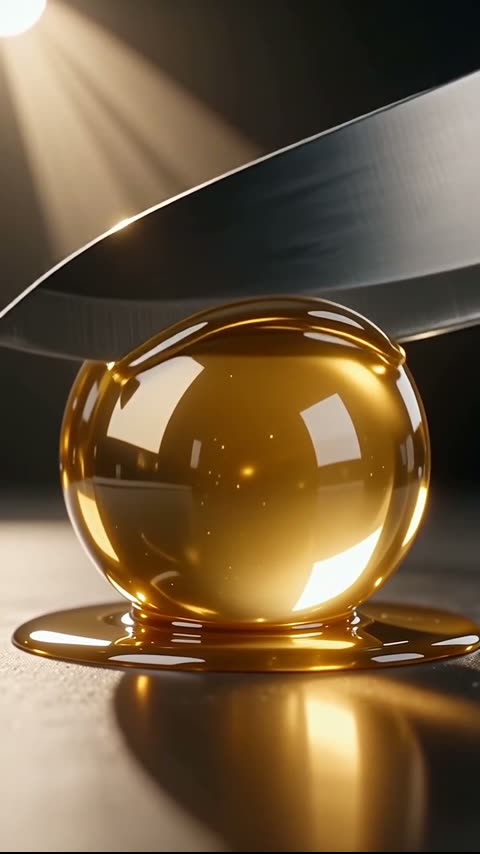
✨ Impossible ASMR
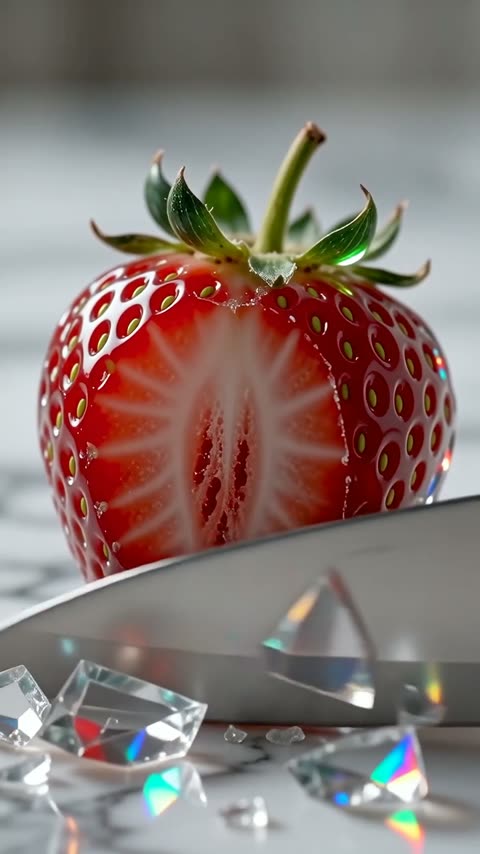
🔮 Glass Fruit Cutting

🍜 Food Summon Jutsu

🐶 Talking Animals
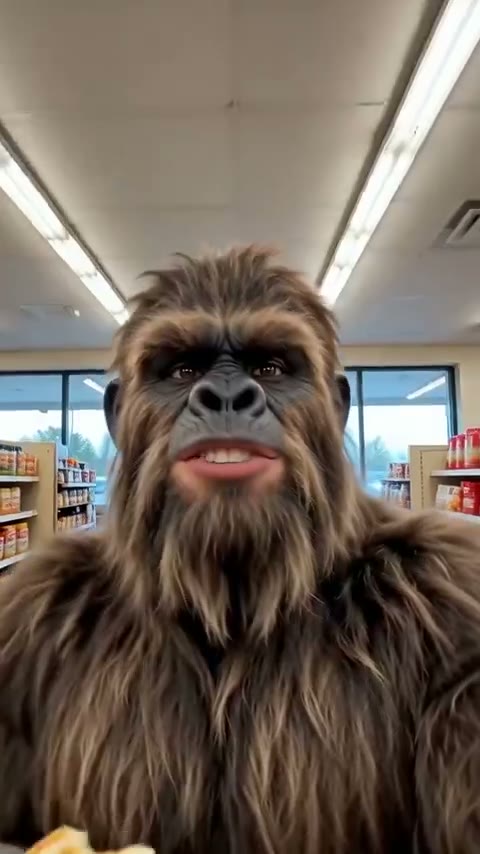
🦶 Cryptid Vlog
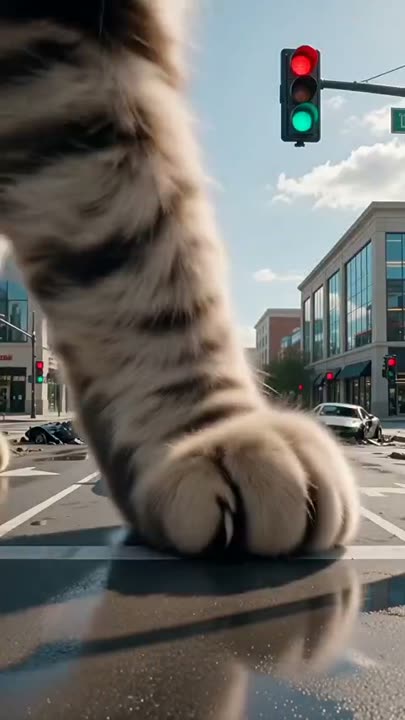
🏙️ Giant Encounter
Do it the easy way — see what the workflow makes, free
Watch a real sample video free. No credit card required.
Watch it free