Comparisons
Best AI Video Generator for YouTube Shorts (2026)
A buyer's guide to choosing an AI video generator for YouTube Shorts: the criteria that actually matter, and where Kineclip fits.
The best AI video generator for YouTube Shorts in 2026 is the one that treats Shorts as its own format: true 9:16 vertical, burned-in word-synced captions for muted viewing, a strong hook, tight sub-60-second pacing, and — the biggest factor — daily auto-posting so your channel actually publishes consistently. This guide lays out the criteria that matter for a Shorts generator, then shows how Kineclip meets them: set up a faceless series once and it generates and auto-posts a fresh vertical video to YouTube Shorts every day.
Almost every "best AI video generator" list is a ranking of tools that make a nice-looking clip. That is the wrong question for YouTube Shorts. Shorts is a discovery feed, and the thing that actually grows a channel there is not a single stunning video — it is showing up every day with vertical, caption-first videos that hook fast and hold attention. A tool that produces a beautiful one-off but leaves the daily publishing to you will lose to a plainer tool that quietly posts every morning.
So instead of a fake top-ten with invented rankings, this is a buyer's guide. Below are the criteria that genuinely matter when you are choosing an AI generator specifically for Shorts, followed by an honest look at where Kineclip's AI shorts generator fits, how to start, and where it is not the right tool. If you want to skip the reading, you can see a sample free and see a Shorts series generate for yourself.
The criteria that actually matter for a Shorts generator
Shorts has its own physics. Videos are vertical, usually watched muted while scrolling, and judged in the first second. A generator built for Shorts has to respect all of that — not just export a vertical file. These are the criteria worth weighing before anything else:
- True 9:16 vertical framing. Full-bleed vertical with the subject and any text in the safe middle band, because YouTube reserves screen space at the top and bottom for its own interface and the title. A tool that letterboxes or center-crops a horizontal video fails here before anything else matters.
- Burned-in, word-synced captions. Most Shorts are watched with the sound off, so captions are how people actually follow the video. They need to be baked into the frame and timed to the voice word-for-word, not left to YouTube's optional auto-captions that are off by default.
- A strong hook and tight pacing. Shorts lives or dies on retention in the opening seconds, and there is no room for a slow build in a sub-60-second video. The script has to open with the payoff or the tension, not a throat-clearing intro.
- Visual and voice consistency. A recognizable look and a steady voice across every video help viewers — and the algorithm — understand what your channel is. A tool that reinvents the art style and narrator every upload makes your channel feel like a stranger each time.
- Daily auto-posting to Shorts. This is the big one. The single hardest part of a Shorts channel is publishing every day without burning out, so a direct connection that posts finished videos to your channel on a schedule beats a great editor you still have to upload from by hand.
Notice how little of that list is about how impressive one generated frame looks. The flashiest model in a demo is rarely the strongest choice for Shorts, because Shorts rewards the boring disciplines — captions, pacing, consistency, and above all showing up daily.
How Kineclip meets these criteria
Kineclip is a faceless short-form video engine built around exactly this checklist. You configure a "series" once — pick a niche, a voice, an art style, and a format — and from then on it generates a fresh vertical video every day without you touching an editor. Each video is assembled end to end: an AI script from OpenAI, AI images from fal.ai, an AI voiceover from OpenAI's text-to-speech, word-synced captions burned into the frame, and a rendered vertical MP4 sized for Shorts.
The part that matters most for Shorts is what happens after the render: Kineclip auto-posts each finished video daily to YouTube Shorts, which is the destination it publishes to fully automatically. The same series can also feed TikTok, where the video lands in your inbox as a one-tap draft, and Instagram and Facebook Reels, which are download-and-post. On Shorts that removes the daily upload step outright. There are 21 niches, 22 languages, and 8 formats to build a series from, which is enough range to find something your audience actually wants without drowning in options. If you already have material, you can also create from a source — paste your own script (up to 15,000 characters), or an article URL, of which Kineclip reads the first 15,000 characters — and let it turn that into a Short.
How to start a Shorts series in a few minutes
Getting a Shorts channel running is deliberately short. The whole point is that you set it up once and let it run:
- Pick a niche and format. Choose one of the 21 niches and a format that suits it — a countdown, a "what if" explainer, or a story. Narration-driven topics like facts, history, psychology, and motivation tend to work best for faceless Shorts.
- Set the voice and art style. Pick a voice and a visual style once. Locking these gives your channel the consistent look and sound that Shorts rewards, video after video.
- Connect your YouTube channel. Authorize Kineclip to post to Shorts so finished videos publish automatically instead of waiting in a downloads folder.
- Let it run. A new vertical video generates each day. If you want, swap in your own script or an article URL for a specific video.
That is the entire loop. You can watch a free sample and have a series producing daily Shorts before you would have finished editing a single video by hand. If posting cadence is your real bottleneck, the best time to post YouTube Shorts guide pairs well with an automated schedule.
The honest limits
Kineclip is a faceless narration engine, not a talking-head tool. It is strongest where a voice over illustrative visuals carries the whole clip — facts, history, finance explainers, storytelling, motivation. It is the wrong tool for live-action, personality-led, or vlog-style Shorts where Shorts still favors a real person on camera. If your channel is built on your face, no faceless generator is the answer, and that is worth being honest about up front.
A few other realities: YouTube requires you to disclose meaningfully altered or synthetic content in some cases, so you should label honestly — it is a simple setting and does not cost you reach on its own. YouTube's monetization rules also favor original content over mass-produced, repetitive uploads, so the goal is a genuine series with a real angle, not fifty near-identical clips. AI visuals and voices are good and getting better, but they are not flawless, and a lazy script will still produce a lazy video regardless of the tool. Whether AI Shorts are allowed at all is covered in more depth in are AI videos allowed on YouTube.
Who it is for
This is for creators who want a consistent Shorts channel without the daily editing grind. If you have a niche you believe in but keep falling off the daily-posting wagon because scripting, voicing, captioning, and uploading is too much work to sustain, that is the exact gap Kineclip closes. It is also a fit for people running several channels or taking the same series to Shorts, TikTok, Reels, and Facebook at once, and for anyone who wants to test whether a niche has legs before investing real time in it. If you are still deciding what to make videos about, the best niches for YouTube Shorts breakdown is the right place to start.
The verdict
There is no single "best" AI video generator in the abstract, but for YouTube Shorts specifically the winner is the tool that treats the platform's real requirements as first-class: true 9:16 framing, burned-in captions for muted viewing, a fast hook, consistent look and voice, and — most of all — reliable daily posting. A raw text-to-video model hands you one ingredient and leaves the rest to you. A do-it-yourself stack of separate script, voice, caption, and editing apps gives you control at the cost of your evenings. For anyone whose goal is a growing Shorts channel rather than a single showpiece clip, an automation platform that makes daily publishing the default is the category built for the job.
Kineclip is built around exactly that. Configure a faceless series once and it generates daily vertical videos with an AI script, an OpenAI voiceover, fal.ai visuals framed for 9:16, and word-synced captions, then posts to YouTube Shorts automatically and delivers a one-tap draft to your TikTok inbox; Instagram Reels and Facebook Reels are download-and-post. First-time monthly users can spin up their first Shorts series with a $4.99 7-day trial, then continue on Starter at $19, Growth at $39, or Pro at $69 per month. If the daily grind is what has kept you off Shorts consistently, that is the part it removes.
Frequently asked questions
What makes an AI video generator good for YouTube Shorts specifically?
Shorts rewards a specific combination: true 9:16 vertical with nothing cropped, burned-in captions that stay in sync because most Shorts are watched muted, a hook in the first second or two, and tight sub-60-second pacing. The single most underrated factor is consistent daily publishing, because Shorts is a discovery feed that needs repeated signal to learn who to show your channel to. A tool that produces one gorgeous clip but leaves posting up to you tends to lose to a plainer tool that actually publishes every day.
Does YouTube allow AI-generated Shorts?
Yes. YouTube does not ban AI-generated content, but it does require you to disclose meaningfully altered or synthetic media in some cases, and its monetization rules favor original content over mass-produced or repetitive uploads. In practice, an AI Short with a real hook, an original script angle, and honest disclosure competes on its merits. The risk is not the AI itself but publishing low-effort, near-identical videos, which the reused-content policies are designed to catch.
Do I need burned-in captions for YouTube Shorts?
Effectively, yes. A large share of Shorts viewing happens with the sound off or low, so on-screen captions are how most people follow the video. Word-synced captions burned into the frame also keep the viewer's eyes on the screen, which helps retention — the metric Shorts leans on most. Relying on YouTube's optional auto-captions is weaker because they are off by default and are not styled for retention.
How many Shorts should I post to see results?
Consistency matters more than any single upload, so plan on posting daily or close to it for several weeks before judging a niche or format. The Shorts system needs repeated signal to understand who your content is for, and one strong video surrounded by silence never builds that signal. This is exactly why automated daily posting matters more than squeezing extra polish out of any one clip.
How much does Kineclip cost for a Shorts channel?
First-time monthly users can start with a $4.99 7-day trial, then plans are Starter at $19, Growth at $39, and Pro at $69 per month. Your plan sets how many videos a series produces each month, and those come out of the plan rather than credits; the monthly credits are for one-off work — standalone clips in the AI Videos tool, pasting in your own script or article, and script-editor runs. You can test whether a niche works for your channel during the trial before committing to a monthly plan.
See what AI video looks like
How Kineclip helps
If you're shopping AI video tools, the Kineclip funnel below lets you generate a sample in 30 seconds — no signup required to see it.
Try Kineclip's AI video →Related articles
Comparisons
An AI Video Tool Scorecard You Can Reuse
A weighted scorecard for choosing an AI short-video tool: workflow fit, publishing, script control, languages, cost and risk, with a worked example and trial.
Comparisons
AI Avatar Videos vs Faceless AI Videos: Which Should You Use in 2026?
A synthetic presenter on screen vs narration over illustrative visuals — they solve different content problems. Here's how to tell which one your channel actually needs.
Comparisons
Kineclip Pricing: Starter vs Growth vs Pro — Which Plan Should You Choose? (2026)
The real differences between Kineclip's three plans, in numbers — video counts, series limits, connected-account limits, and the trial that lets you test before committing.
Make videos like these with AI
40+ viral templates — ASMR, talking characters, POV and more. Pick one and see a real sample in seconds.

✨ Impossible ASMR
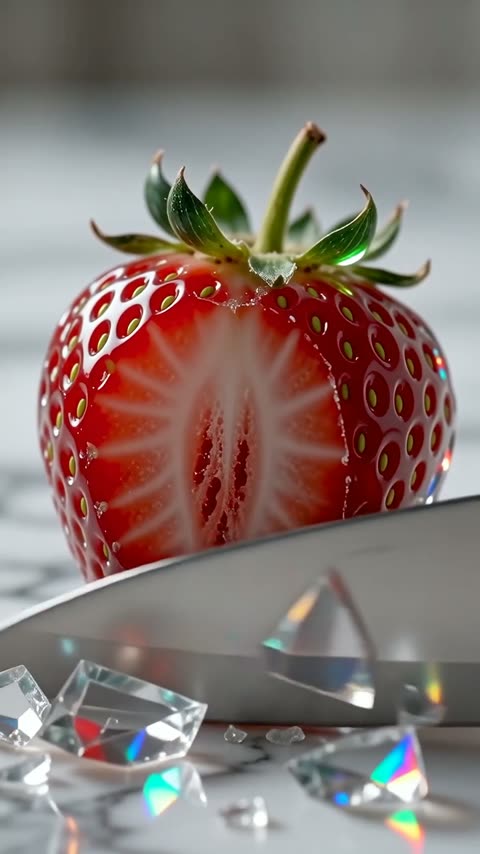
🔮 Glass Fruit Cutting

🍜 Food Summon Jutsu

🐶 Talking Animals

🦶 Cryptid Vlog

🏙️ Giant Encounter
Skip the comparison — see a real Kineclip sample, free
Watch a real sample video free. No credit card required.
Watch it free