Comparisons
Best AI Video Generator for TikTok in 2026
TikTok is its own format with its own rules. The best AI tool for it isn't the one with the flashiest visuals — it's the one that gets framing, captions, hooks, and posting right.
The best AI video generator for TikTok in 2026 isn't defined by visual flash — it's the one that nails true 9:16 framing, native-style word-synced captions, sub-two-second hook pacing, and a one-tap draft delivered to your TikTok inbox. This guide covers what to look for, TikTok's stance on AI content and disclosure, how to avoid the AI-slop look, and how the three categories of tools compare.
Searching for the "best AI video generator for TikTok" usually turns up the same list of tools ranked by how impressive their visuals look in a demo. That ranking is misleading, because TikTok does not reward pretty frames — it rewards watch time, completion, and consistency. The best tool for TikTok is the one that gets the boring, format-specific things right: correct vertical framing, captions that read as native, a hook that lands before a thumb can flick, and a way to actually post every day without burning out.
This guide skips the brand leaderboard and does something more useful. It breaks down what TikTok specifically demands from a video, where AI tools tend to fall short, how TikTok itself treats AI-generated content and disclosure, and how the three broad categories of tools — raw text-to-video models, manual AI stacks, and faceless-automation platforms — actually compare for someone trying to grow an account. If you understand what you're optimizing for, you stop chasing the shiniest demo and start picking the tool that fits how TikTok really works.
What TikTok actually rewards — and why it changes the tool you need
TikTok's feed is a retention machine. It shows a clip to a small test audience, watches how long people stay and whether they finish or rewatch, and then either expands or buries it based on that signal. Visual polish is a distant secondary factor. A gorgeous AI render with a slow opening will lose to a plain clip with a hook that grabs in the first second.
That reality reshapes what "best" means. The most valuable capabilities in a TikTok tool are the ones that protect retention: framing that fills the screen vertically, captions timed to the audio so viewers who watch muted still follow along, and pacing tight enough that no single beat overstays its welcome. If you want the mechanics behind why these signals matter, the TikTok algorithm in 2026 breakdown covers exactly which behaviors the ranking system reacts to.
The five things a TikTok AI generator has to get right
Before comparing categories of tools, it helps to have a checklist. These are the TikTok-specific requirements that separate a tool built for the platform from a general video generator that happens to export vertical:
- True 9:16 vertical. Native 1080x1920, not a landscape clip with letterbox bars or a center-crop that chops off the subject. The top ~12% and bottom ~18% of the frame get covered by TikTok's own UI, so anything important has to live in the safe middle.
- Native-style captions. Word-by-word highlighting timed to the voiceover, placed above the UI. Most TikTok is watched on mute — captions are not a nicety, they are how the content is consumed.
- Hook pacing. A reason to keep watching inside the first two seconds, and no beat longer than a few seconds. This is a scripting and editing decision the tool either supports or fights.
- Direct posting. A connection to your TikTok account so a finished clip goes out on schedule, not a download you upload by hand every day.
- A non-slop look. Consistent, on-niche visuals and varied openers, so your feed doesn't read as five identical AI clips in a row.
Notice how few of these are about raw generation quality. A tool can produce stunning individual frames and still fail every other line on this list — which is exactly why the flashiest generator is rarely the best one for TikTok.
It is also why the category matters more than the brand. A tool that treats all five as its job is a different product from one that generates clips, and that is the distinction an AI Video Generator built around a whole series is drawing. Keep the checklist in hand for the three categories below — it is the thing that separates them.
TikTok's stance on AI content and disclosure
A fair question before you automate anything: does TikTok even want AI video? The honest answer is that TikTok allows it but has rules. It does not ban AI-generated content, and plenty of large accounts run entirely on it. What TikTok does require is disclosure of realistic AI media that could mislead viewers — there is an AI-generated-content toggle when you post, and the platform may auto-label uploads that carry AI provenance signals.
Separately, TikTok's guidance discourages unoriginal and low-effort content: mass-produced, repetitive, or barely-modified uploads can get suppressed. This is the real risk with AI video, and it is not about AI per se — it is about slop. A faceless narration clip over illustrative visuals, with an original script and a strong hook, reads as legitimate content. Ten near-identical clips with a robotic voice and a flat opening read as spam. The disclosure setting does not cost you reach; hidden, manipulative synthetic media is what gets pulled.
Avoiding the AI-slop look
"AI slop" is the single biggest reason AI TikToks underperform, and it is almost never a generation-quality problem. It comes from four fixable places: a generic script, a soft hook, visuals that feel disconnected from the words, and captions that drift out of sync. The tool can help with the last two, but the first two are on your writing.
The script is where slop is born or avoided. A specific, opinionated angle with a concrete hook beats a bland overview every time, and this is worth getting right before you worry about visuals at all — the guide to writing viral short-form scripts walks through hook structure, pacing, and closers. On the visual side, the fix is consistency and restraint: keep shots on-niche, avoid the uncanny-valley realism that draws negative comments, and vary your openers so a viewer's For You page doesn't show five identical intros. There's a deeper treatment of this in how to make AI videos look real in 2026, which is really a guide to not looking synthetic.
Category 1: Raw text-to-video models
The first category is the pure generative models — the ones that turn a text prompt into a moving clip. They are genuinely impressive and improving fast, and for a single cinematic shot they can be spectacular. But as a TikTok solution they are only one stage of the job. A raw model gives you video frames. It does not write a retention-shaped script, it usually doesn't produce word-synced captions, it has no concept of hook pacing, and it certainly does not post to your account.
Used for TikTok, a raw model becomes the visuals ingredient inside a larger workflow you still have to assemble yourself. That's fine if you want maximum control over every frame and enjoy editing. It is a poor fit if your actual goal is posting consistently, because you'll spend your time stitching stages together rather than shipping clips.
Category 2: The manual AI stack
The second category isn't a product — it's a do-it-yourself pipeline. You write the script with a language model, generate narration in a text-to-speech tool, create or source visuals, run a captioning app, and assemble everything in an editor before exporting a vertical file. This route gives you total flexibility and can produce excellent results.
The problem is throughput. Four or five apps and a fresh round of fiddling per video is survivable for one clip and brutal for a daily habit — and daily is what TikTok rewards. The manual stack also makes it easy to drift into slop, because each handoff is a chance for the caption timing, the pacing, or the visual consistency to slip. For a creator testing the water it's a legitimate start; as a growth engine it doesn't scale past the point where you run out of evenings.
Category 3: Faceless-automation platforms
The third category is purpose-built for exactly this problem: platforms that run the whole chain — script, voiceover, vertical visuals, word-synced captions, render, and posting — from a single setup, on a schedule. Instead of assembling a clip, you configure a series once (niche, voice, style) and it produces and publishes a fresh TikTok every day. The trade is less frame-by-frame control in exchange for consistency, which is the one thing TikTok cares about most.
This is the category that actually maps to how TikTok growth works. It removes the two failure points that kill most AI channels: the daily editing grind that ends consistency, and the manual upload step that turns posting into a chore. If auto-posting is your specific bottleneck, the guide to auto-posting to TikTok and YouTube explains how that account handoff works and where it can trip up. For a wider view of the field across every use case, the best AI video generators of 2026 roundup compares tools beyond just TikTok.
Matching the tool to your niche
No tool wins on TikTok without a niche it's suited to. AI faceless video is strongest in narration-driven formats — facts, history, psychology, motivation, finance explainers, storytelling — where a voice over illustrative visuals carries the whole clip. It is weakest at live-action, personality-led, and talking-head content, which still favor a real creator on camera.
So before you judge any generator, make sure you're pointing it at content it can actually do well. The best niches for TikTok in 2026 breakdown is the right place to start — the "best" tool for a niche it can't serve is still the wrong tool.
The verdict: best AI video generator for TikTok in 2026
There is no single "best" tool in the abstract — but for TikTok specifically, the winner is the one that treats the platform's real requirements as first-class: true vertical framing, native word-synced captions, hook-first pacing, honest AI disclosure, a non-slop look, and direct daily posting. Raw text-to-video models give you one ingredient. The manual stack gives you control at the cost of your evenings. For anyone whose goal is a growing account rather than a single showpiece clip, a faceless-automation platform is the category that fits, because it makes consistency the default instead of a weekly act of willpower.
Kineclip is built for exactly this. You pick a niche, a voice, and a style once, and it generates daily vertical videos — AI script tuned for hooks, OpenAI voiceover, fal.ai visuals framed for 9:16, word-synced captions, finished render — and posts to YouTube Shorts automatically and delivers a one-tap draft to your TikTok inbox; Instagram Reels are download-and-post. It's a faceless narration engine, not a talking-head tool, so it plays to where AI video is genuinely strong. If the daily grind is what's stopping you from posting consistently, the AI video generator closes the gap between an idea and a posted TikTok.
Frequently asked questions
What makes an AI video generator good for TikTok specifically?
Four things TikTok punishes if you get them wrong: true 9:16 vertical framing at 1080x1920, captions that highlight word-by-word in a native style, hook pacing that lands a reason to keep watching in the first two seconds, and a direct connection to your TikTok account so you can post daily. General text-to-video tools often nail visuals but miss captions, pacing, and posting — which is where TikTok retention is actually won or lost.
Does TikTok penalize AI-generated videos?
TikTok does not ban AI content, but it does require you to disclose realistic AI-generated media, and it de-prioritizes low-effort, repetitive, or unoriginal uploads under its unoriginal-content guidance. In practice the algorithm reacts to watch time and completion, not to whether a robot made the clip. A well-paced, well-captioned AI video with a strong hook performs; generic AI slop with a flat opening dies regardless of how it was made.
How do I stop my AI TikToks from looking like AI slop?
Slop comes from a weak script, a soft hook, mismatched stock-looking visuals, and captions that lag the audio. Fix the script first — a sharp, specific angle beats a generic overview every time. Then keep shots consistent with your niche, use word-synced captions, cut anything longer than a few seconds per beat, and vary your openers so a viewer's feed doesn't show five identical intros. The tool matters less than the writing and pacing.
Should I use one tool or stitch several together for TikTok?
For a single test clip, a manual stack (script tool, voice tool, image tool, caption tool, editor) is fine. For a posting habit, it collapses — every video becomes four or five apps and a round of copy-pasting. A faceless-automation platform that runs script, voice, visuals, captions, render, and posting from one setup is the only approach that survives a daily schedule, because the bottleneck on TikTok is consistency, not any single video.
Do I still need to disclose AI content on TikTok?
Yes, when the content is realistic and could mislead — TikTok provides an AI-generated content toggle and may auto-label media that carries AI provenance signals. Faceless narration videos over illustrative visuals usually read as clearly stylized rather than deceptive, but the safe habit is to use the disclosure setting and keep your content honest. Disclosure does not hurt reach; hidden manipulative media is what gets removed.
How many TikToks should I post to see results with AI video?
Volume and consistency beat perfection on TikTok, so aim for at least one post a day for several weeks before judging a niche or format. That cadence is exactly why AI automation exists — hand-editing a daily clip burns out fast. The winning pattern is a fixed niche, a repeatable hook style, daily posting, and iterating on whichever openers and topics earn the most completions.
See what AI video looks like
How Kineclip helps
If you're shopping AI video tools, the Kineclip funnel below lets you generate a sample in 30 seconds — no signup required to see it.
Try Kineclip's AI video →Related articles
Comparisons
An AI Video Tool Scorecard You Can Reuse
A weighted scorecard for choosing an AI short-video tool: workflow fit, publishing, script control, languages, cost and risk, with a worked example and trial.
Comparisons
AI Avatar Videos vs Faceless AI Videos: Which Should You Use in 2026?
A synthetic presenter on screen vs narration over illustrative visuals — they solve different content problems. Here's how to tell which one your channel actually needs.
Comparisons
Kineclip Pricing: Starter vs Growth vs Pro — Which Plan Should You Choose? (2026)
The real differences between Kineclip's three plans, in numbers — video counts, series limits, connected-account limits, and the trial that lets you test before committing.
Make videos like these with AI
40+ viral templates — ASMR, talking characters, POV and more. Pick one and see a real sample in seconds.

✨ Impossible ASMR
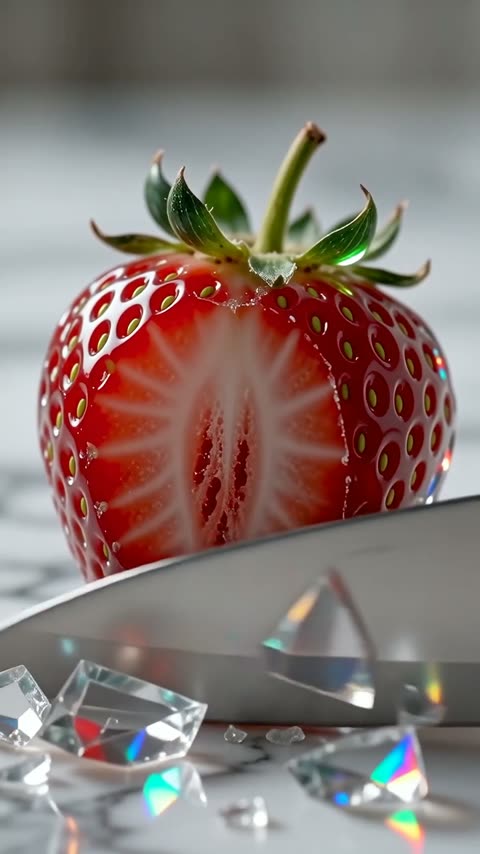
🔮 Glass Fruit Cutting

🍜 Food Summon Jutsu

🐶 Talking Animals
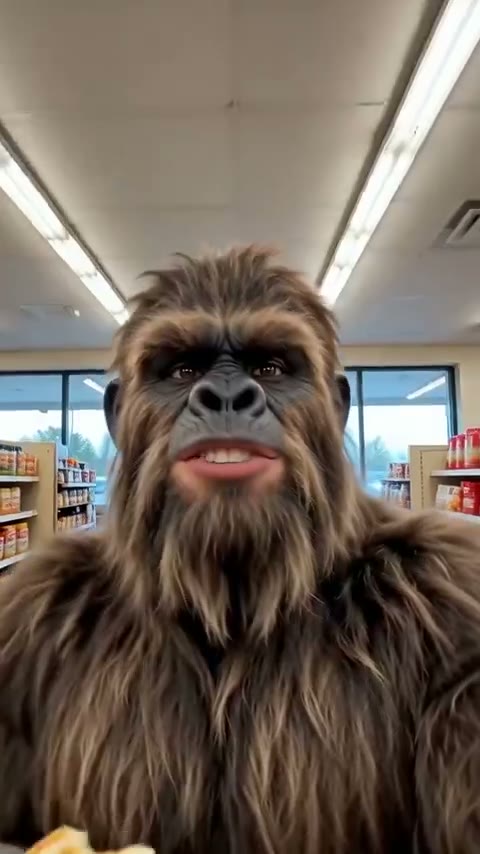
🦶 Cryptid Vlog

🏙️ Giant Encounter
Skip the comparison — see a real Kineclip sample, free
Watch a real sample video free. No credit card required.
Watch it free