Niche Guides
AI Video Generator for Space & Astronomy Content (2026)
Space is one of the best-performing faceless niches on short-form video — but it's also one of the hardest to produce, because you can't film a nebula. Here's how an AI video generator handles the cosmic visuals, the awe hook, the voiceover, and the daily posting for you.
Space and astronomy are a natural fit for faceless AI video: the visuals are impossible to film, so AI-generated cosmic imagery beats stock footage, and the subject sells itself with awe. Kineclip generates a space series' scripts (OpenAI), cinematic images (fal.ai), voiceover, and word-synced captions, then posts to YouTube Shorts automatically and delivers a one-tap draft to your TikTok inbox; Instagram Reels are download-and-post.
Space is one of the strongest niches on short-form video, and it's easy to see why: nobody scrolls past a shot of a galaxy. The subject comes pre-loaded with awe, the facts are genuinely mind-bending, and the audience is enormous and evergreen. But it's also one of the hardest niches to actually produce — because you can't film any of it. You can't point a camera at a black hole, a supernova, or the surface of an exoplanet, and the stock footage that exists is limited, reused to death, and expensive.
That's exactly the gap an AI video generator closes. When the visuals are impossible to capture in real life, AI-generated imagery stops being a compromise and starts being the best available option. This post covers how to run a faceless space and astronomy channel with AI — the cinematic cosmic art style, the awe-driven hooks, the voiceover and captions, and how a daily series keeps a space channel posting without you filming or editing anything.
Why space works so well as a faceless niche
Faceless short-form video is a niche game, and space sits near the top of the list for a few concrete reasons. The first is that it never needs a presenter — the imagery is the star, so there's no missing "face" the way there is in, say, a personal-story channel. The second is that the subject does the hook for you: "This star is so large it could swallow our entire solar system" is a scroll-stopper before you've added a single visual. The third is longevity — space facts don't expire, so a video you post today still makes sense a year from now, and the topic space is effectively bottomless.
If you're weighing space against other options, it's worth seeing where it ranks on the platforms you care about — the same qualities that make it work here show up in our roundups of the best niches for TikTok in 2026 and the best niches for YouTube Shorts.
The one thing that makes or breaks a space channel: the visuals
For most niches, the script carries the video. For space, the visuals carry it. A viewer will forgive a plain fact if the shot behind it looks like it belongs in a planetarium — and they'll scroll past a fascinating fact if it's sitting on top of the same recycled stock clip they've seen on twenty other channels. This is why AI generation is such a natural fit here: instead of competing for the same tiny pool of real footage, every video renders fresh cosmic imagery to match the specific thing you're talking about.
In Kineclip, that's controlled by the art style you set on your series. For a space channel you want a cinematic, high-fidelity cosmic look — deep-field starscapes, glowing nebulae, planets with real atmospheric depth. Because this is one of the niches where visual quality does the most work, it's the clearest case for choosing the Premium video model (4 credits) over Standard (2 credits): the extra fidelity shows up more on a nebula than it would on a plain-background talking niche.
Hooks: lead with the scale, then the strangeness
Space has a natural hook advantage — the numbers are so extreme they sound made up. The move is to open on the single most staggering detail before you explain anything. "It takes light from the Sun eight minutes to reach you — from the next star over, it takes four years." "There's a planet where it rains molten glass, sideways, at 5,000 miles an hour." You state the impossible-sounding fact first, and the explanation becomes the payoff that keeps people watching.
Kineclip generates the script — including that opening hook — fresh for each video, and rotates a creative angle per video so a maturing series doesn't keep opening the same way. If you want to understand what separates a hook that holds from one that leaks viewers in the first second, the breakdown in how to write viral hooks for short-form applies directly to space content.
What the full pipeline actually does
You configure the series once — the space niche, a voice, and your cosmic art style — and each video runs through the same pipeline end to end:
- A fresh script written from the topic, opening on an awe-driven hook (OpenAI).
- Cinematic cosmic images rendered in your series' art style (fal.ai).
- An AI voiceover narrating the fact, in the voice you chose (OpenAI text-to-speech).
- Word-synced captions burned into the render and kept in the safe zone.
- Automatic posting to YouTube Shorts and a one-tap TikTok draft, if you've connected an account — Instagram Reels are download-and-post.
You don't stitch these steps together yourself — one topic goes in, a finished vertical video comes out. If you're curious about the mechanics under the hood, how AI video generators work walks through the same stages in general terms.
How a daily series keeps a space channel consistent
The reason most faceless channels die isn't a bad first video — it's the second week, when producing one more clip by hand stops being worth it. Consistency is the entire growth strategy on short-form, and it's the part a daily series solves. Once your space series is active, Kineclip generates and posts on a schedule without you opening the app each day, once auto-publish is on.
For a fact-based niche like space, running out of topics is the real long-term risk — and the pipeline guards against it. Scripts are generated fresh per video (there's no saved-script bank), and the system feeds the titles of your series' prior videos into the prompt as an "already covered" list, so the model stops re-covering the same dozen famous facts as the series matures. That keeps a space channel producing genuinely new material months in, instead of quietly looping back to the black holes and the size of the universe every third video.
Where a space channel fits in a faceless strategy
Space is one of the most reliable faceless niches precisely because it removes the two hardest parts of the format — you never need to appear on camera, and you never need footage you can't get. It pairs well with a broader faceless approach; if you're still deciding, the best AI video generator for faceless channels covers how the same workflow applies across niches, and faceless video ideas that go viral has adjacent angles if you want to run space alongside a second channel.
Verdict
Space and astronomy are a near-perfect fit for AI video: the visuals are impossible to film, so AI-generated cosmic imagery beats the alternatives instead of merely substituting for them, and the subject sells itself with awe before you've said a word. The hard parts — rendering the cosmos, writing the hook, voicing it, captioning it, and posting every day — are exactly the parts a generator handles. Your job shrinks to picking the look, reviewing the facts, and letting the series run.
Start with a free sample video to see the cosmic render quality for yourself, then use the $4.99, 7-day trial to spin up a full space series and watch the videos come back. Scheduling and auto-posting become available with your first full month — you switch auto-publish on for the series, and from then on YouTube Shorts posts on its own while TikTok arrives as a one-tap draft. The trial is for judging the videos themselves.
Frequently asked questions
Do I need to know astronomy to run a space channel with AI?
No. You configure a space series once — the niche, a voice, and a cinematic art style — and Kineclip generates a fresh script for each video from that topic space. You're not writing the facts yourself; you're reviewing what comes out. That said, space is a subject where accuracy matters to viewers, so it's worth reading the first few scripts before they post and correcting anything that reads off.
What does a finished space video actually look like?
A vertical 9:16 video: an awe-driven hook in the first second, AI-generated cosmic imagery (nebulae, planets, deep-field starscapes) in your chosen art style, an OpenAI voiceover narrating the fact, and word-synced captions burned into the render. If you've connected a social account and turned auto-publish on, it posts to YouTube Shorts automatically and delivers a one-tap draft to your TikTok inbox; Instagram Reels are download-and-post. It's the same finished format as any other niche on the platform, just rendered with space visuals and space scripts.
Can it keep a daily space series going without me?
Yes — that's the core workflow. Once a series is active, Kineclip generates on a schedule; switch auto-publish on for the series and it posts on that schedule too, without you touching it each day. Scripts are generated fresh per video (there's no saved-script bank), and the pipeline feeds in the titles of your series' prior videos as an "already covered" list so the model stops re-treading the same handful of famous facts as the series ages. You review and adjust; the daily production runs on its own.
Which AI models generate the visuals and voice?
Scripts and voiceover (text-to-speech) come from OpenAI; images and video come from fal.ai. You pick between a Standard model (2 credits per video) and a Premium model (4 credits) — Premium is worth it for space content specifically, because cosmic scenes reward higher visual fidelity more than a talking-head niche would. Every plan includes monthly credits, and anyone can buy one-time credit packs (subscribers get about 20% off).
How much does it cost to run a space channel this way?
First-time monthly signups get a $4.99, 7-day trial. After that it's Starter ($19), Growth ($39), or Pro ($69) per month, each with its own monthly credit allowance. A video costs 2 credits on the Standard model or 4 on Premium, so your plan's credits set how many videos per month you can run. You can start on the trial, generate a few space videos, and see the render quality before committing to a full plan.
See what a series looks like
How Kineclip helps
Kineclip ships niche-specific templates (scary stories, true crime, motivation, history, and more) that match the production style described in this guide.
Try Kineclip's series workflow →Related articles
Niche Guides
AI Video Generator for Tech Fun Facts Content (2026)
Tech Fun Facts is Kineclip's evergreen coding, AI, and gadget-trivia niche — distinct from Tech News. Here's how to build a witty tech-facts channel with AI, the default brick-built visuals, and how to keep the facts accurate.
Niche Guides
AI Video Generator for Brick-Build Content (2026)
Brick Builds is Kineclip's playful, family-friendly niche built around a colorful blocky art look, not literal brick-build-building content. Here's how it works, what topics fit, and how to set up a series.
Niche Guides
AI Video Generator for Horror & Scary Story Content (2026)
Horror and creepypasta are among the biggest faceless niches on short-form video. Here's how to build a scary-story channel with AI — dark visuals, a tense voiceover, synced captions, auto-posted — while writing original stories and staying inside platform rules.
Make videos like these with AI
40+ viral templates — ASMR, talking characters, POV and more. Pick one and see a real sample in seconds.
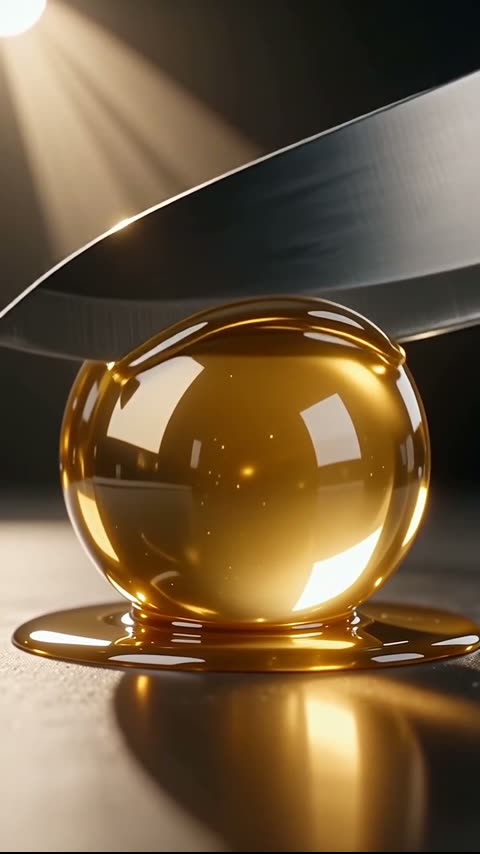
✨ Impossible ASMR
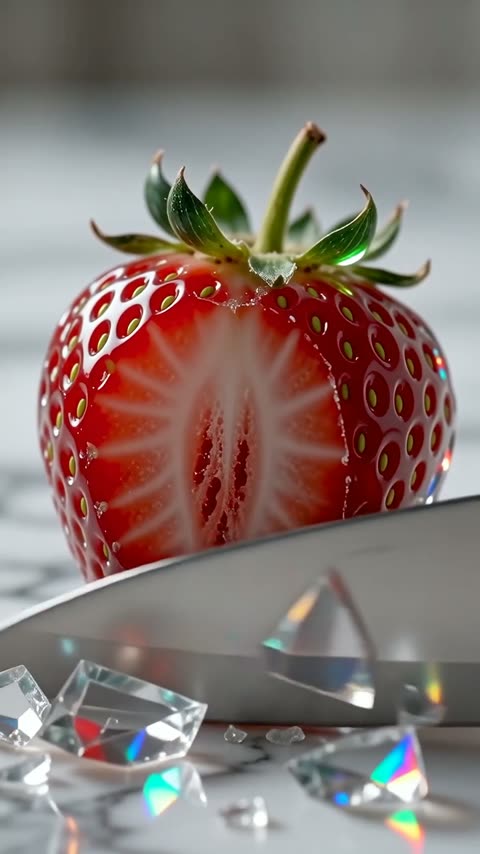
🔮 Glass Fruit Cutting

🍜 Food Summon Jutsu

🐶 Talking Animals
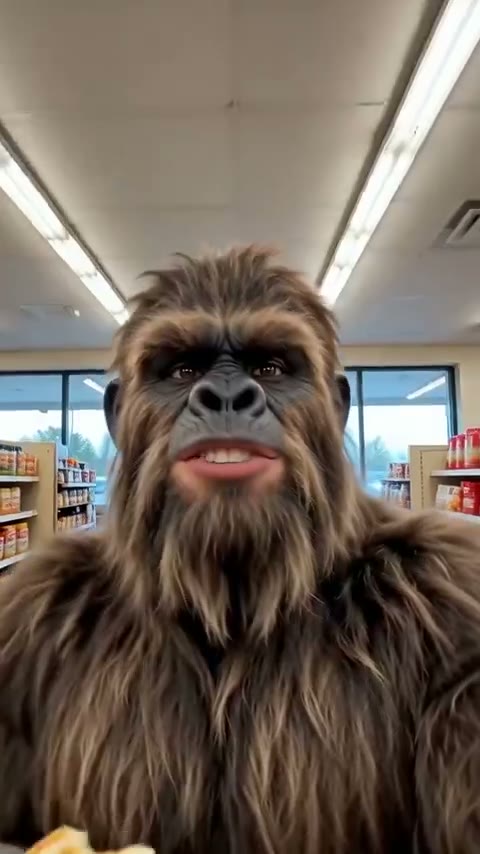
🦶 Cryptid Vlog

🏙️ Giant Encounter
You just saw which niches win — see a real sample, free
Watch a real sample video free. No credit card required.
Watch it free