Comparisons
YouTube Shorts vs TikTok: Which Should You Start First in 2026?
A balanced, honest comparison for faceless creators deciding where to plant their flag in 2026 — and why the best answer is usually both.
TikTok wins on speed of discovery and fast viral feedback; YouTube Shorts wins on evergreen reach, search, and long-term monetization. Start on the one that matches your goal — but because a single 9:16 render serves both feeds, the real move is to cross-post to both and let one platform de-risk the other.
It is the first real decision every faceless creator faces: TikTok or YouTube Shorts? Both want the same thing from you — a vertical, captioned, scroll-stopping clip — yet they reward different behavior, pay differently, and attract different viewers. Pick wrong and it feels like you are pushing a boulder uphill; pick right and the algorithm starts doing some of the work for you.
This is a balanced, no-hype comparison written for someone deciding where to start. We will line the two platforms up across the five dimensions that actually matter — discovery, monetization, audience, longevity, and effort — give you a clear "start here if" recommendation, and then close with the answer most guides bury: you do not really have to choose, because one render serves both.
Discovery: fast spikes vs the evergreen tail
The single biggest difference between the two platforms is the shape of discovery. TikTok's For You page is built for speed. A brand-new account with zero followers can land a video in front of large audiences within hours, and the platform aggressively tests fresh content against new viewers. That makes TikTok an unbeatable laboratory: you can post, watch the numbers move the same day, and learn what your niche responds to faster than anywhere else.
YouTube Shorts plays a longer game. Spikes are less common; instead, a Short tends to accumulate views over a longer window and keeps getting resurfaced days, weeks, even months after you posted it. YouTube also leans on search and suggested — your video can show up because someone looked for the topic or watched something similar, not just because it is trending right now. The payoff is a long evergreen tail: a back catalog that quietly keeps working. If you want to lean into that, the timing playbook for short-form posting is worth a read for both platforms.
Monetization: where the money is more durable
Be skeptical of any article quoting you an exact "RPM" — those numbers swing wildly by niche, season, and region, and they go stale fast. What is stable is the direction of the trade-off.
YouTube has the stronger long-term monetization story. Shorts share ad revenue, and — crucially — a Shorts audience can be funneled toward higher-paying long-form videos, memberships, and a broader YouTube ecosystem that has paid creators reliably for years. A faceless library on YouTube tends to compound in value. TikTok's direct creator payouts have historically been thinner and less predictable; serious TikTok income more often comes from brand deals, affiliate links, and driving traffic off-platform. Neither is "free money," but if your goal is a durable, monetizable asset, YouTube generally rewards patience better. For the full picture on turning views into revenue, see how to make money with AI videos in 2026.
Audience and intent: who is watching, and why
TikTok's audience skews toward fast, entertainment-first browsing — they are there to be surprised, amused, or hooked, and they swipe ruthlessly. That rewards bold hooks, trends, and punchy pacing. YouTube's audience spans a wider age range and arrives with more intent: a meaningful share of viewers are searching for or following topics, which suits explainer, educational, and storytelling niches where someone actually wants to learn something.
Practically, this nudges your content choices. A quick-hit trend or a shocking fact can thrive on TikTok; a clear, well-structured explainer or an ongoing story series often performs better on Shorts where viewers stick around and come back. If you are still settling on a topic, the roundup of faceless ideas that make money in 2026 maps niches to platform strengths.
Longevity and asset value: rented vs owned reach
Think of each video as an asset. On TikTok, the bulk of a video's value is realized in its first few days — it burns bright, then cools. That is great for momentum but means your reach is always "rented" from the current trend cycle. On YouTube, an individual Short can keep earning views long after upload, and the channel itself behaves more like an owned, searchable library that grows in value as it gets larger.
There is also a resilience argument. TikTok has faced regulatory and availability uncertainty in several markets over the past few years, while YouTube is a more entrenched, geographically stable platform. None of this means "avoid TikTok" — it means the smart creator does not bet their entire distribution on a single platform's policies or trend cycle.
Effort: the format is the same, the metadata is not
Here is the part that quietly changes the whole decision. The video you make for TikTok and the video you make for YouTube Shorts are, for faceless content, essentially identical: 9:16 vertical, a hook in the first second, AI voiceover, and large word-synced captions for muted viewing. What differs is the wrapper — title and description conventions, hashtags, and keeping your captions clear of each app's on-screen UI.
That asymmetry is the whole insight. The expensive part (producing a good clip) is shared; the cheap part (tweaking metadata) is platform-specific. So the marginal cost of covering a second platform is small — which is exactly why "which one" is the wrong long-term question. To go deeper on format mechanics, see how AI video generators work and the platform-specific guide to making AI YouTube Shorts.
Start here if… (a clear recommendation)
If you want one platform to begin with while you learn the ropes, use your goal to break the tie:
- Start with TikTok if you want fast feedback, you enjoy riding trends, and you want to test many ideas quickly to find what your niche responds to. It is the best classroom.
- Start with YouTube Shorts if your priority is durable, evergreen reach, search discovery, and building a monetizable library you can grow over years — especially if you might add long-form later.
- Start with either if you are honest that the real plan is to do both — in which case just pick the one that excites you more and get posting today.
The real answer: cross-post to both
The framing of "TikTok vs YouTube Shorts" assumes a scarcity of effort that no longer exists. Because a single 9:16 render works on both feeds, the genuinely optimal strategy is to publish to both and let each platform's strengths cover the other's weaknesses: TikTok gives you speed and signal, YouTube gives you the evergreen tail and stronger monetization. One de-risks the other.
The only reason most creators do not do this is the manual grind of exporting, re-uploading, and rewriting captions for each app — which is precisely the friction worth automating. See the practical mechanics in how to auto-post to TikTok and YouTube in 2026, and the broader landscape in automated YouTube Shorts.
This is exactly the workflow Kineclip is built around: you configure a series once — niche, voice, and style — and it generates a daily vertical video, publishes it to YouTube for you, and drops the same file into your TikTok inbox as a one-tap draft, so "which platform" stops being a trade-off. If you would rather see it than read about it, the AI video generator page lets you set up your first series in minutes.
Frequently asked questions
Should a faceless creator start on YouTube Shorts or TikTok in 2026?
Start on whichever platform matches your goal. Choose TikTok if you want fast feedback, quick viral spikes, and rapid testing of what your niche responds to. Choose YouTube Shorts if you care about a long-tail of evergreen views, search discovery, and building a more durable, monetizable channel. The honest answer for most people is to start on one to learn, then cross-post to both — because a single 9:16 video serves both feeds.
Which pays more, YouTube Shorts or TikTok?
YouTube generally offers stronger long-term monetization. Shorts share ad revenue, and a Shorts channel can funnel viewers toward higher-paying long-form content and a broader ecosystem. TikTok's creator payouts have historically been less reliable and lower per view, with creators leaning more on brand deals and external offers. Exact rates vary constantly by niche and region, so treat any specific number you see online with caution — the directional truth is that YouTube tends to monetize a faceless library better over time.
Does the same video work on both TikTok and YouTube Shorts?
Yes, with light adjustments. Both platforms use a vertical 9:16 format, reward a strong hook in the first second, and favor word-synced captions for muted viewing. The main differences are caption placement (keep text clear of each app's UI), hashtag and title conventions, and avoiding a visible watermark from the other platform. One clean render plus platform-appropriate captions and metadata covers both.
Is TikTok or YouTube Shorts discovery faster?
TikTok discovery is typically faster and spikier — a video can take off within hours, which makes it excellent for testing ideas quickly. YouTube Shorts often builds more slowly but keeps surfacing older videos for weeks or months, and benefits from YouTube's search and suggested feeds. Fast spikes versus a long evergreen tail is the core trade-off.
Will I get penalized for posting the same content to both platforms?
No. Cross-posting the same video to TikTok and YouTube Shorts is standard practice and does not get you penalized by either platform. The only thing to avoid is uploading a file with a competitor's watermark stamped on it, since each app tends to suppress content branded by a rival. Export a clean version and you can post the same clip to both safely.
How do faceless creators post to both platforms without doubling their work?
They automate it. Because the underlying video is identical, a tool that generates the 9:16 clip can also publish it to multiple platforms on a schedule. That turns 'pick one platform' into 'cover both,' since the marginal effort of adding the second channel is close to zero once generation and posting are automated.
See what AI video looks like
How Kineclip helps
If you're shopping AI video tools, the Kineclip funnel below lets you generate a sample in 30 seconds — no signup required to see it.
Try Kineclip's AI video →Related articles
Comparisons
AI Avatar Videos vs Faceless AI Videos: Which Should You Use in 2026?
A synthetic presenter on screen vs narration over illustrative visuals — they solve different content problems. Here's how to tell which one your channel actually needs.
Comparisons
Kineclip Pricing: Starter vs Growth vs Pro — Which Plan Should You Choose? (2026)
The real differences between Kineclip's three plans, in numbers — video counts, series limits, connected-account limits, and the trial that lets you test before committing.
Comparisons
Standard vs Premium AI Video Quality: Is the Upgrade Worth It? (2026)
Premium AI video quality costs double the credits of standard. Here's exactly what changes, and a practical framework for deciding which videos deserve the upgrade.
Make videos like these with AI
40+ viral templates — ASMR, talking characters, POV and more. Pick one and see a real sample in seconds.

✨ Impossible ASMR
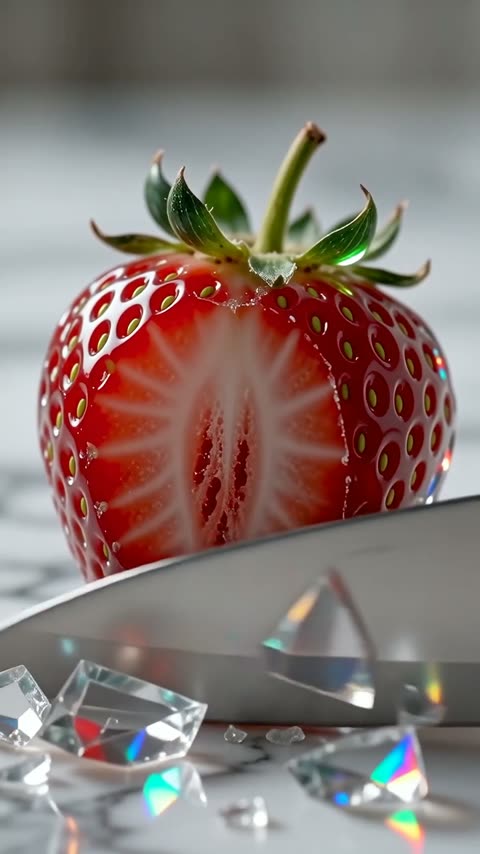
🔮 Glass Fruit Cutting

🍜 Food Summon Jutsu

🐶 Talking Animals
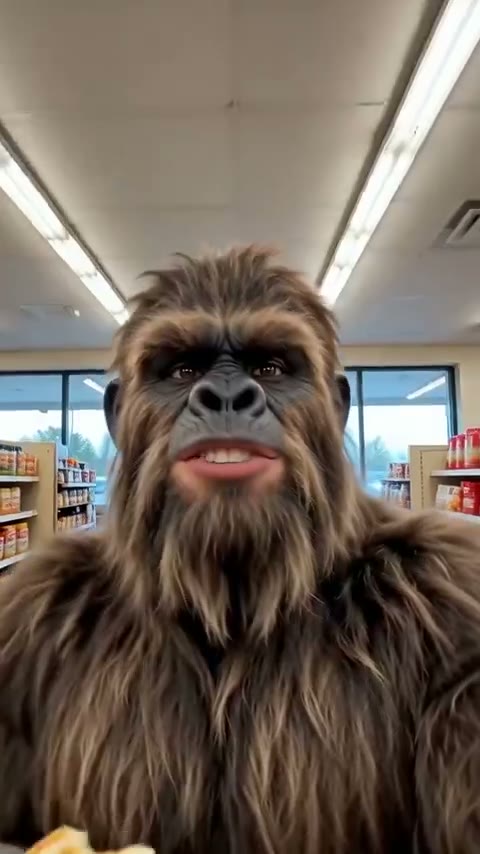
🦶 Cryptid Vlog
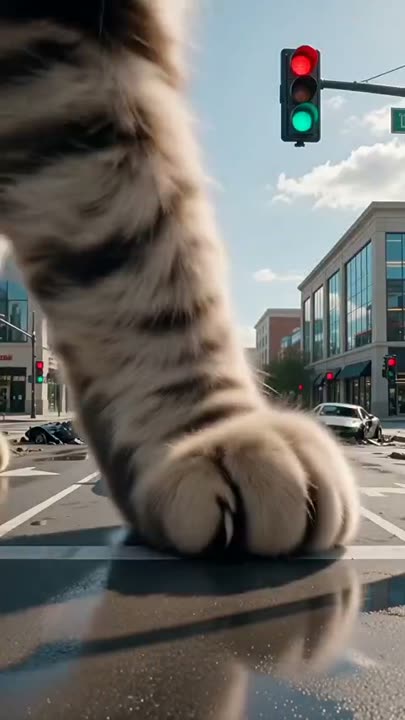
🏙️ Giant Encounter
Skip the comparison — see a real Kineclip sample, free
Watch a real sample video free. No credit card required.
Watch it free