Guides
Do AI Videos Actually Get Views on TikTok? (2026)
The honest answer: yes, when the video is built to hold attention. Here's what actually decides whether an AI-made TikTok gets views — and why some flop.
Yes, AI videos get views on TikTok — the algorithm ranks by watch time and completion rate, not by production method. AI-narrated videos with a strong hook, word-synced captions, and tight pacing perform the same as human-made ones that hold attention equally well. Low-effort, unoriginal, or slowly-paced AI content flops for the same reason low-effort human content flops: it fails retention, not because a machine made it.
Type "do AI videos get views on TikTok" into Google and you'll find two camps shouting past each other. One says AI content is worthless slop that TikTok actively buries. The other says AI videos are a cheat code that guarantees virality. Neither is right, and the actual answer is more useful than either extreme.
TikTok's recommendation system doesn't know or care whether a script was typed by a human or generated by a model, whether a voiceover came from a microphone or text-to-speech, or whether the visuals were filmed or illustrated. It measures one thing above almost everything else: does a viewer keep watching. AI videos that are built around that fact get views. AI videos that ignore it don't — and the same is true for videos a human made by hand.
What the algorithm actually measures
TikTok's For You feed ranks content on watch time, completion rate, rewatches, and how quickly a viewer scrolls away. Likes and comments matter, but they're secondary signals — a video that gets watched to the end by 40% of viewers who see it will consistently outperform a video with more likes but a 15% completion rate. We cover the mechanics of this in more depth in how the TikTok algorithm actually works in 2026, but the short version for this topic is: the algorithm is a retention detector, not a content-origin detector.
That distinction matters because it means the question "does AI hurt my distribution" is the wrong question. The right question is "does this specific video hold attention," and that's answerable regardless of how the video was made.
Why "AI-made" isn't the variable that decides views
There is no signal inside TikTok's ranking system that flags a video as AI-generated and suppresses it for that reason alone. What the platform does suppress is spam behavior: reposted content with zero edits, mass-uploaded duplicates from bot-operated accounts, and clips that trip low-quality filters. Those filters catch plenty of human-made spam too — reposted meme compilations, stolen clips, low-effort rage-bait. AI content gets caught in the same net when it's produced the same spammy way, not because it's AI.
Flip it around: thousands of faceless channels in facts, history, psychology, true crime, and motivation niches have been performing on TikTok for years using narrated slideshow-style formats — long before generative AI tools existed. The format itself (voice over illustrative visuals, no face on camera) was never a distribution disadvantage. AI just changed how fast that format can be produced, not whether the format itself performs.
The hook is doing most of the work
If there's one variable that predicts whether any short-form video gets watched — AI or not — it's the first two seconds. TikTok users decide to keep watching or scroll away almost instantly, and a slow, generic opener loses that decision before the video's actual content ever lands. "Today I want to talk about the Roman Empire" loses to "This Roman Emperor was killed by his own bodyguards — here's why."
We go deep on hook mechanics and scripting structure in how to write viral short-form scripts in 2026. The core idea: a hook needs to be specific, create an open question, and get delivered in the first line — not after a throat-clearing intro. This is a scripting problem, and it's exactly as solvable with an AI-written script as a human-written one, which is why script quality (not script origin) is the real lever.
Where AI videos actually fail
The AI videos that flop tend to share the same handful of problems, and none of them are "an AI made this":
- No hook, or a buried one. The script opens with setup instead of a claim or question, so viewers scroll before the payoff arrives.
- Static or mismatched captions. Captions that lag the voiceover, cover the visual, or aren't synced word-by-word break the reading rhythm viewers rely on when watching muted.
- Flat pacing. One long visual held for 15 seconds while the narration runs reads as low-effort, even when the script itself is decent.
- Recycled structure. Posting the same script shape and stock visuals on repeat trains an audience to skip the account's content on sight.
- Generic voice delivery. A monotone, unpaced TTS read undercuts even a strong script — pacing and emphasis in the voiceover matter as much as the words.
Every one of those is a production-quality issue, and every one of them tanks a human-filmed video too. AI didn't invent low-retention content; it just made it cheaper to produce at volume, which is exactly why volume without quality control shows up as a wave of AI slop in people's feeds.
It's worth being honest about the term "AI slop" itself, since it's the phrase that fuels most of the "AI videos don't get views" belief. Slop isn't a technical category — it's shorthand for content produced with zero editorial judgment: a script no one read before it rendered, a voice no one listened to for pacing, visuals no one checked for relevance to the line being spoken. That describes plenty of AI content, and it also describes plenty of rushed human-filmed content. The label sticks to AI more often right now simply because AI made it cheap enough for low-effort operators to publish at a volume that wasn't possible before. The fix isn't avoiding AI, it's not skipping the editorial step.
Disclosure: do you have to say it's AI?
TikTok requires an AI-generated content label specifically for realistic synthetic media that could be mistaken for an actual recording of a real person or event — synthetic news footage or a fabricated statement from a public figure, for example. A narrated video built from illustrative AI images and a text-to-speech voiceover — the standard faceless format — generally sits outside that policy, since it isn't presenting a fake event as real footage. That said, TikTok's own AI-label toggle costs nothing to use and removes any ambiguity if you'd rather be explicit. It has no measurable effect on distribution either way.
The unoriginal-content risk is real, but it's not about AI
The genuine risk with AI-assisted channels isn't an algorithmic AI penalty — it's producing content that's indistinguishable from a hundred other accounts covering the same topic the same way. TikTok does detect and deprioritize duplicate or near-duplicate content, and an audience notices repetition faster than any algorithm does. A channel that reuses the same three script templates and the same stock visual style across every niche will plateau regardless of production method.
The fix is the same fix that's always applied to content strategy: a specific angle, a consistent voice, and visuals that actually match the script beat instead of generic stock footage. AI tools that generate original images per scene and vary the script structure per video close this gap; tools or workflows that reuse the same templates verbatim widen it.
This is also where niche choice compounds the problem or solves it. Broad, saturated angles inside an already-crowded niche make originality harder by default, since thousands of accounts are drawing from the same pool of facts and framings. Picking a narrower angle within a niche, and rotating the specific hook and structure per video rather than reusing one template, is what keeps a channel's content from reading as a copy of the account next to it.
What separates AI videos that perform from ones that flop
Pulling the above together, the videos that consistently get views share a specific shape:
- A hook delivered in the first line, not after setup
- Word-synced captions that track the voiceover exactly, readable with sound off
- A visual cut every few seconds matched to the narration beat, not one static image
- A voiceover with real pacing and emphasis, not a flat monotone read
- A script angle specific enough that it isn't interchangeable with a competitor's
- A clear payoff landed before the video ends, not a trailing-off close
None of that is about hiding that a video is AI-made. It's the same checklist a good human editor would apply to their own footage. The videos that skip these steps flop whether a person or a model produced them; the ones that hit all six get pushed by the algorithm the same way.
How Kineclip is built around this checklist
Kineclip is a faceless narration engine — voice over illustrative AI visuals, not a talking-head or live-action tool. You configure a series once (niche, voice, art style) and it generates a daily vertical video: an OpenAI-written script, an OpenAI text-to-speech voiceover, fal.ai-generated images and video, and word-synced captions, finished and posted automatically to YouTube Shorts and delivered to your TikTok inbox as a one-tap draft, plus a 1080x1920 download for Instagram Reels. Every one of those pieces maps directly onto the retention checklist above — the captions are synced word-by-word rather than static, the script rotates angle and structure per video instead of reusing a template, and the visuals cut per scene instead of holding one static image.
For TikTok specifically, the format works the same way whether it's produced manually or through an AI TikTok generator: retention design is retention design. The tool changes how fast you can produce it, not whether the algorithm rewards it.
The verdict
Yes, AI videos get views on TikTok — the algorithm reacts to watch time and completion, not to who or what made the video. Slop dies because it fails retention, not because it's AI. A video with a real hook, synced captions, tight pacing, and a specific angle performs the same whether the script came from a person or a model.
If you want to see the format working before committing to anything, Kineclip's free sample generates one watermarked video from your chosen niche at no cost. From there, the full AI video generator runs on a $4.99 7-day trial, then paid plans starting at $19/month.
Frequently asked questions
Do AI-generated videos actually get views on TikTok?
Yes. TikTok's recommendation system ranks video by watch time and completion rate, not by who or what produced the footage. An AI-narrated video with a strong hook, tight pacing, and word-synced captions gets pushed exactly like a human-filmed one that holds attention the same way. The videos that don't get views are the ones that fail to hold viewers past the first few seconds — and that failure mode applies equally to AI and human-made content.
Does TikTok penalize AI-generated content?
No, not for being AI-made. TikTok has no policy that suppresses AI-produced video as a category, and there is no signal in the app that detects "this was AI-generated" and downranks it. What does get suppressed is spam behavior — reposted content with no edits, mass-uploaded duplicates, and accounts that trip the platform's low-quality or repetitive-content filters. Those filters catch human spam too.
Do I need to disclose that a video is AI-generated?
TikTok requires an AI-generated content label for realistic synthetic media that could be mistaken for real footage of real events or people — think a fake news clip or a synthetic public figure. A narrated slideshow-style video with illustrative AI images and a voiceover, the kind most faceless channels post, generally doesn't fall under that policy because it isn't presenting a fabricated real-world event as genuine. When in doubt, use TikTok's built-in AI-label toggle; it costs nothing and removes any ambiguity.
Why do some AI TikTok videos flop while others go viral?
The gap is almost never the AI part — it's retention design. Videos that flop usually open with a slow setup, cram in too much narration per scene, or repeat a script structure the audience has already seen from that account. Videos that perform open with a hook that creates a question in the first two seconds, cut visuals every few seconds to match the narration beat, and land a clear payoff before the viewer's thumb moves. That's a scripting and pacing problem, solvable the same way for AI or human-shot content.
What makes a hook work in the first two seconds?
A working hook states a specific, curiosity-triggering claim or question before any context-setting — "This one psychology trick explains why you procrastinate" beats "Today I want to talk about procrastination." It should be answerable but not answered yet, specific rather than vague, and delivered in the first line of narration, not buried after an intro. Captions should reinforce the hook visually the instant it's spoken, since a meaningful share of viewers watch with sound off.
Is faceless AI video content sustainable for growth on TikTok?
It's sustainable as a format, not as a shortcut — the sustainability comes from consistency and quality, same as any content strategy. Faceless niches like facts, history, psychology, and true crime have been performing on TikTok for years, long before AI tools existed; AI just removes the production bottleneck of filming, editing, and voicing every episode by hand. Channels that post daily with real retention design keep growing; channels that mass-produce low-effort clips and hope volume wins tend to plateau or shrink.
See what a series looks like
How Kineclip helps
Kineclip is the practical implementation of the workflow described above — pick a niche, set a schedule, and the system produces vertical videos end-to-end.
Try Kineclip's series workflow →Related articles
Guides
Storyboard Template for Faceless Short Videos
A copy-and-paste storyboard table for 60-second faceless videos: narration, visual and change per scene, with a worked example and the mistakes it catches.
Guides
Hook Rewrite Clinic: 12 Weak Openers, Fixed
Twelve weak short-video openers rewritten one at a time, with the reason each fix works and a four-question test you can run on your own first line.
Guides
How to End a Short Video: Payoffs, Loops and CTAs
Three jobs an ending can do for a faceless short, with before-and-after examples, a loop-ending technique and the one call to action worth keeping.
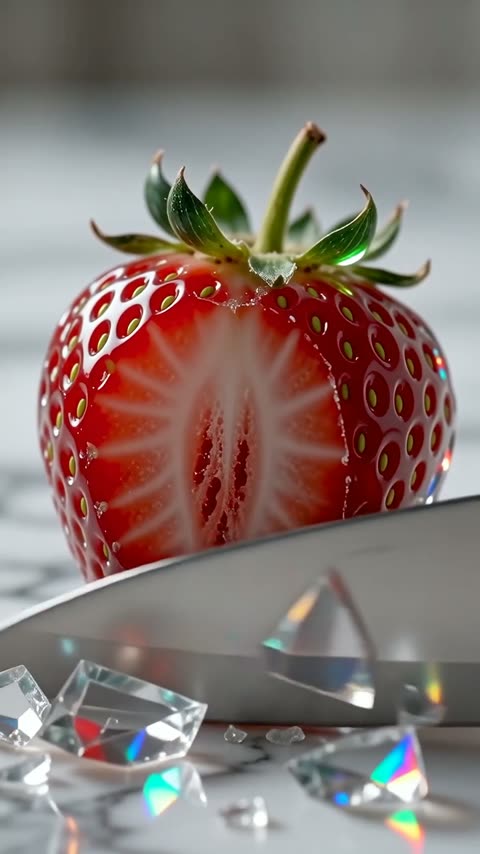
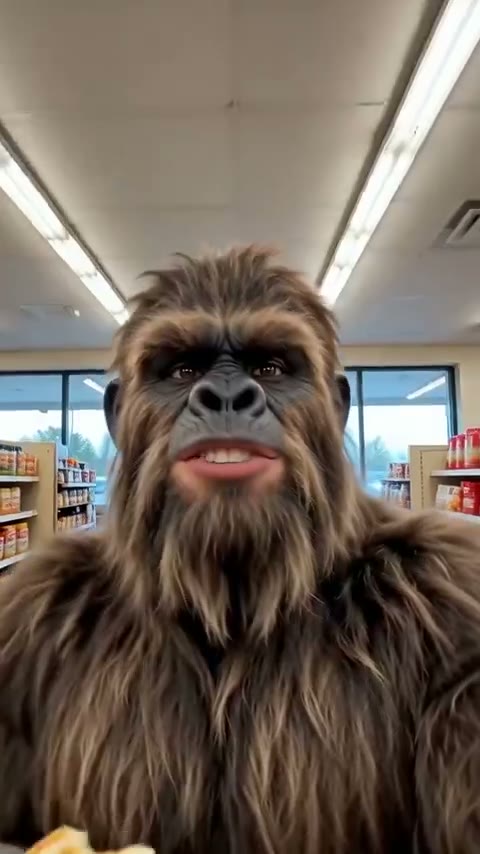
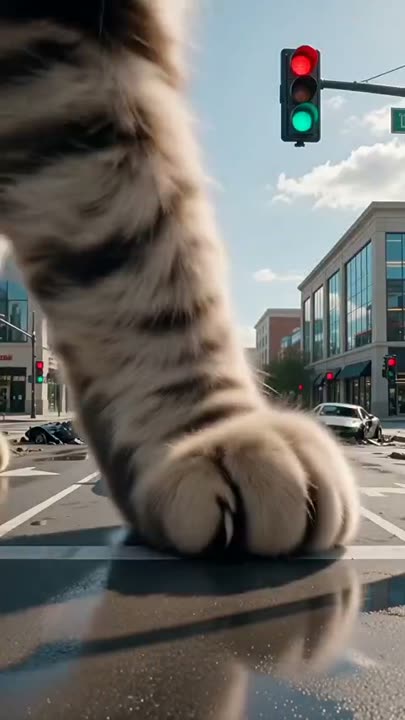
Make videos like these with AI
40+ viral templates — ASMR, talking characters, POV and more. Pick one and see a real sample in seconds.

✨ Impossible ASMR
🔮 Glass Fruit Cutting

🍜 Food Summon Jutsu

🐶 Talking Animals
🦶 Cryptid Vlog
🏙️ Giant Encounter
Do it the easy way — see what the workflow makes, free
Watch a real sample video free. No credit card required.
Watch it free