Niche Guides
AI Video Generator for Did-You-Know & Fun Facts Content (2026)
Rapid-fire fun-facts shorts are one of the most broadly-appealing faceless formats there is. Here's how to run a did-you-know channel with AI end to end — and the one honest catch that makes or breaks a facts channel: accuracy.
Kineclip runs a faceless did-you-know / fun-facts channel end to end: an AI-written script, bright AI visuals, an OpenAI voiceover, and word-synced captions, then posts to YouTube Shorts automatically and delivers a one-tap draft to your TikTok inbox; Instagram Reels and Facebook Reels are download-and-post. The honest catch is accuracy — AI can get a specific date or number wrong, so verify surprising facts before posting, or paste your own researched facts via create-from-source.
"Did you know…" is one of the most reliably watchable openings in all of short-form video. A surprising fact about the ocean, a piece of space trivia, a bit of body weirdness — people stop scrolling for it, and they keep watching to see how the list ends. It's broad, it's evergreen, and it doesn't depend on you having a personality on camera or a niche expertise. That makes a fun-facts channel one of the friendliest formats to start faceless.
The old friction was production: sourcing facts, writing a script, finding visuals, recording a voiceover, adding captions, and cutting it to vertical — every single day, or the channel goes quiet. A faceless AI approach collapses that. You configure a series once, and each day it generates the script, the visuals, the voiceover, and the captions, then posts. This guide covers how to run a did-you-know channel that way with Kineclip — and, because a facts channel lives or dies on being right, an honest section on accuracy that most tools skip over.
Why fun-facts is such a friendly first channel
Most niches ask you to pick a lane and stay in it. A fun-facts channel is the opposite — its whole appeal is range. One day it's "5 things you didn't know about the deep sea," the next it's "facts about your own brain that sound fake." That breadth is a gift for a faceless creator: you never run out of topics, the hooks write themselves, and the audience is basically everyone who likes learning something small and surprising in fifteen seconds.
It also plays to exactly what AI is good at. A model can pull a curious angle and phrase it as a punchy, scroll-stopping line without you doing the heavy lifting. If you want to see how the format feels before committing, you can generate a free sample and watch a real fun-facts short come out the other side.
What a faceless fun-facts series actually produces
You configure one series — the did-you-know angle, a voice, an art style, and a format — and each video comes back as a finished vertical (9:16) short with everything assembled:
- An AI-written fun-facts script, generated fresh per video (OpenAI).
- Bright, curiosity-friendly AI images rendered in your series' chosen art style (fal.ai).
- An AI voiceover reading the script (OpenAI text-to-speech).
- Word-synced captions burned into the render and kept in the safe zone — key for a format people often watch on mute.
- Automatic posting to YouTube Shorts and one-tap TikTok drafts once you connect an account, plus a 1080x1920 download for Instagram and Facebook Reels.
The captions matter more here than in most niches. A lot of fun-facts viewing happens with the sound off, and the on-screen text is what carries the fact — so word-synced captions aren't a nice-to-have, they're how the video works.
The one honest catch: accuracy
Here's the part a facts channel can't hand-wave. AI is excellent at the shape of a fact — the hook, the phrasing, the "wait, really?" beat — but it does not guarantee the specifics. It will occasionally state a date, a number, a superlative ("the largest," "the first," "the only") with total confidence, and be slightly wrong. On most niches that's a minor stumble. On a did-you-know channel, being wrong is the failure mode, because accuracy is the entire product. A comment section that catches you on a bad fact does real damage to a trivia account.
So the rule for this niche is simple: treat each generated script as a strong first draft, not a fact-checked source. Skim it before it posts and spot-check anything that sounds too surprising — it takes about thirty seconds and catches the one claim that's off. If you'd rather not rely on AI-written facts at all, use the other path: paste your own researched script, or paste an article URL — Kineclip reads the first 15,000 characters of the page — and let it build the video from that source. That create-from-source route is the most reliable way to run a facts channel, because the facts start from material you already trust and the AI only handles the production. You can watch a free sample first; running either route on your own topics — AI-written or your-own-source — needs a plan.
Pick the right format for fact lists
Kineclip gives you three built-in formats, and for fun facts two of them are a natural fit:
- Top-5 countdown: the workhorse. "5 facts about the ocean you won't believe" gives you a hook, a structure, and a reason to watch to number one. Countdowns are practically built for trivia.
- What-if: the curiosity lane. "What if the moon disappeared?" or "what if you never slept?" leans into speculative, thought-experiment facts that reward a full watch.
- Story-time: the weaker fit for rapid-fire trivia, since fun facts live on pace rather than a narrative arc — better saved for a single deep, surprising fact told as a mini-story.
Pick countdown or what-if for most fun-facts series. You set the format once, so every video in the series inherits the same tight structure without you rebuilding it each time.
Setting up a did-you-know series, step by step
The setup is the same short flow as any other niche — it takes a few minutes:
- Choose the did-you-know niche and, if you like, a leaning — space, history, psychology, animals, or general trivia.
- Pick a bright, curious art style: clean, colorful, and energetic reads better for fun facts than dark or moody. This is set once and every video inherits it, so the channel stays visually consistent.
- Pick an upbeat, clear voice: a crisp, lively read suits rapid-fire facts far better than a slow, dramatic one.
- Choose the format: Top-5 countdown or what-if.
- Set the schedule: a daily cadence keeps the channel active without you touching it.
- Connect socials (optional): Automatic to YouTube Shorts, one tap to TikTok, download-and-post for Instagram and Facebook (Instagram auto-publishing is built but not switched on).
From there the series runs on its own — a fresh script and video each day, generated and posted. Tweak the series config whenever you want and the change applies to the next video. And because Kineclip supports 22 languages, you can run the same fun-facts concept for a non-English audience where trivia competition is often much thinner.
Who this is for
A faceless fun-facts channel is a great fit for the curious generalist — someone who loves learning random things and wants a low-effort, broadly-appealing channel without picking a single narrow expertise or showing their face. It's also a strong pick if you're testing the waters on short-form and want a format with endless topics and forgiving demand, rather than betting everything on one niche. If you're weighing which lane to start in, our roundups of the best TikTok niches for 2026 and the best niches for YouTube Shorts both put curiosity and facts-style content among the reliably-watchable options.
Who it's not for: anyone who wants a channel to be an authoritative reference on a serious subject with zero tolerance for a single wrong number. For that, the create-from-source path — feeding your own verified material — is the only responsible way to run it. Fun facts as light, entertaining curiosity: great. Fun facts as citable authority: verify everything, or paste your own.
What it costs
First-time monthly signups get a $4.99, 7-day trial, then Starter ($19), Growth ($39), or Pro ($69) per month, each with its own monthly credit allowance. A series' videos come out of your plan's monthly video allowance — no credits are spent when a series generates on its own schedule. The monthly credits every plan includes are for one-off work instead: standalone clips in the AI Videos tool, pasting your own script or article into a series, and script-editor runs. Anyone can also buy one-time credit packs (subscribers get about 20% off). That means you can start a did-you-know series on the trial and let a week of fun-facts videos generate before deciding whether the format is working for you. Scheduling and auto-posting become available with your first full month — you switch auto-publish on for the series, and from then on YouTube Shorts posts on its own while TikTok arrives as a one-tap draft. The trial is for judging the videos themselves.
Verdict
Fun facts is one of the best faceless formats to start with: the topics never run dry, the hooks are easy, and the audience is nearly everyone. Kineclip runs the whole thing hands-off — script, bright visuals, voiceover, word-synced captions, and automatic posting to YouTube Shorts and one-tap TikTok drafts, plus a 1080x1920 download for Instagram and Facebook Reels. The one thing it won't do for you is guarantee every fact is right, and on a trivia channel that's the thing that matters most. So use the AI to kill the production work, keep a thirty-second human check on the surprising claims, and lean on create-from-source when accuracy has to be airtight.
Start with a free sample video to see how a fun-facts short looks on a bright, curious art style, then use the $4.99, 7-day trial to run a real did-you-know series for a week and see which facts your audience loves.
Frequently asked questions
Can AI actually come up with good "did you know" facts?
Yes, AI is genuinely good at surfacing surprising, share-worthy angles — it can pull together space trivia, history oddities, body facts, and animal weirdness into a tight countdown script fast. The honest catch is that it's good at the shape of a fact, not at guaranteeing the specifics. It will occasionally state a date, number, or superlative confidently that turns out to be slightly off. That's why a fun-facts channel needs a light human check on anything surprising before it posts — treat the script as a strong first draft, not a fact-checked source.
Which video format works best for fun-facts content?
The Top-5 countdown format is the natural fit — "5 facts about the ocean you won't believe" gives you a clean structure, a built-in hook, and a reason to watch to the end. The what-if format also works well for the more speculative, curiosity-driven angle ("what if the moon disappeared?"). Story-time is the weaker fit for rapid-fire trivia, since fun facts live on pace, not narrative arc. You set the format once per series, so pick countdown or what-if and every video inherits it.
How do I make sure the facts are actually true?
Two ways. First, skim each generated script before it posts and spot-check anything that sounds too surprising — a 30-second read is enough to catch the one claim that's off. Second, if you already have researched, verified facts, you can skip AI-written scripts entirely and paste your own script, or paste an article URL — Kineclip reads the first 15,000 characters of the page — and let it build the video from that source. That create-from-source path is the most reliable route for a facts channel where accuracy is the whole product.
Which platforms can it auto-post fun-facts videos to?
Once you connect an account and turn auto-publish on, Kineclip publishes each finished vertical (9:16) video to YouTube Shorts automatically and delivers the TikTok copy to your inbox as a ready-to-publish draft you tap once. Instagram Reels and Facebook Reels are download-and-post. Connecting a platform is optional; if you'd rather review each fact yourself first, you can leave accounts disconnected and just download the files.
What does it cost to run a did-you-know channel?
First-time monthly signups get a $4.99, 7-day trial, then it's Starter ($19), Growth ($39), or Pro ($69) per month, each with its own monthly credit allowance. A series' videos come out of your plan's monthly video allowance — no credits are spent when a series generates on its own schedule. The monthly credits every plan includes are for one-off work instead: standalone clips in the AI Videos tool, pasting your own script or article into a series, and script-editor runs. Anyone can also buy one-time credit packs (subscribers get about 20% off). So you can spin up a fun-facts series on the trial and watch a week of videos generate before deciding whether the format is landing. Scheduling and auto-posting become available with your first full month — you switch auto-publish on for the series, and from then on YouTube Shorts posts on its own while TikTok arrives as a one-tap draft. The trial is for judging the videos themselves.
See what a series looks like
How Kineclip helps
Kineclip ships niche-specific templates (scary stories, true crime, motivation, history, and more) that match the production style described in this guide.
Try Kineclip's series workflow →Related articles
Niche Guides
AI Video Generator for Tech Fun Facts Content (2026)
Tech Fun Facts is Kineclip's evergreen coding, AI, and gadget-trivia niche — distinct from Tech News. Here's how to build a witty tech-facts channel with AI, the default brick-built visuals, and how to keep the facts accurate.
Niche Guides
AI Video Generator for Brick-Build Content (2026)
Brick Builds is Kineclip's playful, family-friendly niche built around a colorful blocky art look, not literal brick-build-building content. Here's how it works, what topics fit, and how to set up a series.
Niche Guides
AI Video Generator for Horror & Scary Story Content (2026)
Horror and creepypasta are among the biggest faceless niches on short-form video. Here's how to build a scary-story channel with AI — dark visuals, a tense voiceover, synced captions, auto-posted — while writing original stories and staying inside platform rules.
Make videos like these with AI
40+ viral templates — ASMR, talking characters, POV and more. Pick one and see a real sample in seconds.

✨ Impossible ASMR
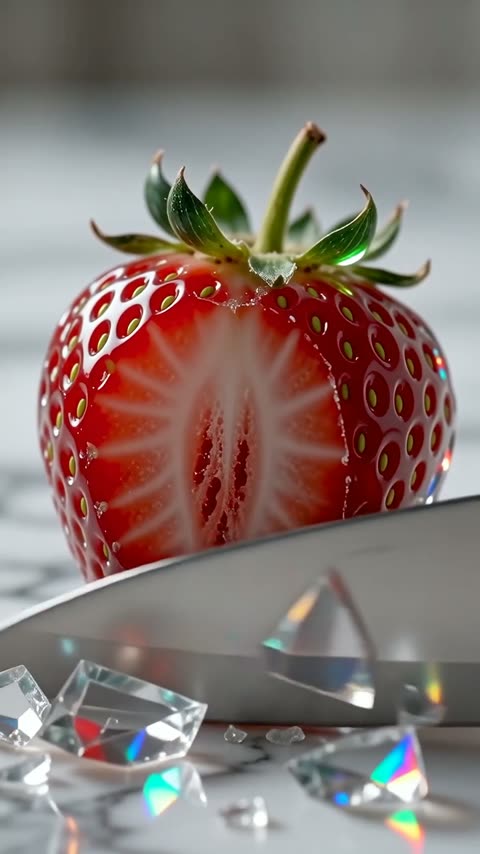
🔮 Glass Fruit Cutting

🍜 Food Summon Jutsu

🐶 Talking Animals

🦶 Cryptid Vlog

🏙️ Giant Encounter
You just saw which niches win — see a real sample, free
Watch a real sample video free. No credit card required.
Watch it free