Niche Guides
AI Video Generator for Cooking & Recipe Content (2026)
Food content is one of the most reliable niches on short-form — but you don't need a kitchen shoot to run a channel. Here's how to build a faceless cooking, recipe-tips, or food-facts series with AI, and an honest line on what it generates.
Kineclip runs a faceless food channel end to end: AI script, appetizing AI visuals in your chosen art style, OpenAI voiceover, word-synced captions, and automatic posting to YouTube Shorts and one-tap TikTok drafts, plus a 1080x1920 download for Instagram Reels. Honest caveat: it generates AI visuals and narration, not filmed cooking footage — so it fits recipe tips, food facts, and countdowns better than a literal follow-along demo.
Food is one of the safest bets in short-form video. People never stop wanting recipe shortcuts, kitchen tips, and the little "wait, I've been doing this wrong" facts that make a good hook. The problem is that the classic version of a cooking channel means a real kitchen, real ingredients, a camera on a tripod, and an hour of shooting and editing for thirty seconds of usable clip. That's a real barrier if you just have the ideas and not the setup.
A faceless AI approach flips that. You don't cook on camera; you configure a series once, and the tool generates the script, the visuals, the voiceover, and the captions, then posts it. This post covers how to run a cooking, recipe-tips, or food-facts channel that way with Kineclip — and, just as importantly, an honest line on what this does and doesn't do so you pick the right format.
The honest caveat first
Let's be clear before anything else: Kineclip generates AI visuals and AI narration, not filmed footage of a real dish being cooked. The images are AI-rendered food and kitchen scenes; the voice is an OpenAI text-to-speech narrator reading an AI-written script. There is no phone, no pan, no real hands chopping an onion.
That matters for choosing what to make. If your entire channel concept is "watch me make this exact recipe, step by step, in my real kitchen," this is not that tool — that's a genuine shoot. But a huge slice of food content on TikTok and Shorts isn't a literal follow-along at all: it's tips, rankings, food science, "things you're storing wrong," and story-style facts. For that kind of content, AI visuals carry the idea perfectly well, and you skip the whole production burden.
What a faceless cooking series actually produces
You configure one series — the food angle, a voice, and an art style — and each video comes back as a finished vertical (9:16) short with every piece assembled:
- An AI-written script on your food topic, generated fresh per video (OpenAI).
- Appetizing AI images rendered in your series' chosen art style (fal.ai).
- An AI voiceover reading the script (OpenAI text-to-speech).
- Word-synced captions burned into the render and kept in the safe zone.
- Automatic posting to YouTube Shorts and one-tap TikTok drafts once you connect an account, plus a 1080x1920 download for Instagram Reels.
Pick the formats that fit food
The angles that thrive in this faceless setup are the ones built on ideas and narration rather than a live demo. A few that map cleanly onto cooking content:
- Countdowns: "5 pantry staples that upgrade any dinner," "7 spices you're underusing."
- Food facts & science: why searing works, why resting meat matters, what salt actually does.
- Common mistakes: "foods you've been storing wrong," "you're washing this the wrong way."
- Story-style: the origin of a dish, a surprising history behind a common ingredient.
Kineclip's built-in video formats — countdown, what-if, and story-time — line up almost one-to-one with those. If you're still deciding on the exact lane, our guides on making story-time videos with AI and writing viral hooks for short-form both translate directly to food content — a strong hook on a food fact is exactly the same craft as a hook on any other topic.
Make the visuals look appetizing, not generic
Food content lives or dies on whether it looks good enough to want. The lever for that is the series' art style, which you set once and every video inherits. For a cooking channel, pick a warm, food-friendly style — soft natural light, tight plating close-ups, rich saturated color — so the rendered scenes read like a food-magazine spread instead of flat stock imagery. Because the style is locked at the series level, the whole channel stays visually consistent rather than lurching between looks video to video.
The fastest way to judge it is to generate a free sample first and actually look at the food scenes before you commit to a week of them. If the plating and lighting look appetizing on the sample, they'll look appetizing across the series.
Setting up a cooking series, step by step
The setup is the same short flow as any other niche:
- Choose the food angle: recipe tips, food facts, kitchen hacks, or a rankings/countdown lane.
- Pick a voice: warm and conversational tends to suit food better than a dramatic read.
- Pick an appetizing art style: the single biggest lever on whether the visuals sell.
- Set the schedule: a daily cadence keeps the channel active without you touching it.
- Connect socials (optional): Automatic to YouTube Shorts, one tap to TikTok, download-and-post for Instagram and Facebook (Instagram auto-publishing is built but not switched on).
From there the series runs on its own — a fresh script and video each day, generated and posted. Tweak the series config whenever you want, and the change applies to the next video.
Where a faceless food channel fits — and where it doesn't
Use it for: idea-driven food content at volume, where you want to test a lot of hooks and angles without a shoot behind each one. It's an efficient way to find out which food topics your audience actually responds to, because you can publish daily instead of betting a whole afternoon of filming on one clip. Cooking is a strong pick precisely because demand is endless and evergreen — see our roundups of the best TikTok niches for 2026 and the best AI video generator for faceless channels for where food sits among the top performers.
Don't use it for: a literal, trust-me-I-made-this recipe demonstration where the value is watching your real hands execute the exact dish. That's a filmed format, and no faceless AI tool replaces it. Being honest about that line up front is how you build a food channel that works instead of one that feels like it's promising a kitchen it never shows.
What it costs
Every plan includes monthly credits and covers the daily-series workflow. First-time monthly signups get a $4.99, 7-day trial, then Starter ($19), Growth ($39), or Pro ($69) per month, each with its own credit allowance — Standard videos are 2 credits and Premium are 4 on a plan. Anyone can buy one-time credit packs (subscribers get about 20% off them). That means you can spin up a cooking series on the trial and let a week of food videos generate, then decide whether the format is working before you're really spending. Scheduling and auto-posting become available with your first full month — you switch auto-publish on for the series, and from then on YouTube Shorts posts on its own while TikTok arrives as a one-tap draft. The trial is for judging the videos themselves.
Verdict
A faceless AI cooking channel isn't a replacement for a real recipe shoot — and you shouldn't sell it as one. What it is: a fast, low-effort way to run idea-driven food content — tips, facts, countdowns, and story-style hooks — with appetizing AI visuals, a natural voiceover, clean captions, hands-off posting to YouTube Shorts, and a one-tap TikTok draft. If you've got the food ideas but not the kitchen setup, this is the lane.
Start with a free sample video to check how appetizing the food visuals look on your chosen art style, then use the $4.99, 7-day trial to run a real cooking series for a week.
Frequently asked questions
Does Kineclip film real cooking footage or a person in a kitchen?
No — and it's important to be honest about this. Kineclip generates AI images and AI voiceover, not filmed footage of an actual dish being cooked. It's a faceless format: the visuals are AI-rendered food and kitchen scenes matched to your series' art style, and the narration is an OpenAI text-to-speech voice reading an AI-written script. If your channel depends on showing your exact recipe being made step by step in a real pan, that's a phone-and-tripod shoot, not this. Kineclip is built for recipe tips, food facts, countdowns, and story-style food content where AI visuals carry the idea rather than a literal how-to demonstration.
What kind of cooking videos actually work in this faceless format?
The formats that lean on ideas and narration rather than a literal live demo: "5 pantry swaps that save dinner," "foods you've been storing wrong," "the science of why searing works," a countdown of underrated spices, or a story-style food fact. Kineclip's built-in formats — countdown, what-if, and story-time — map cleanly onto food content. A precise, follow-along recipe with exact timings shown on screen is a weaker fit, because the visuals are appetizing AI scenes, not a real pan on a real stove.
How do I make the visuals look appetizing instead of generic?
The series' art style is where you control that. When you configure a cooking series, pick a warm, food-friendly art style — think soft natural light, close-up plating, rich color — so every rendered image reads as appetizing rather than flat. You set this once per series, and every video inherits it, so the whole channel keeps a consistent, food-magazine look instead of a random style per clip. You can also see the look before you commit by generating a free sample.
Can it post to TikTok, YouTube, and Instagram on its own?
It depends on the platform. Connect a YouTube account, turn auto-publish on, and Kineclip publishes each finished vertical (9:16) video to Shorts automatically. Connect TikTok and the video is delivered to your TikTok inbox as a ready-to-publish draft — one tap in the app and it is live. Instagram is download-and-post. Connecting an account is optional — if you'd rather review and post manually, you can leave it disconnected and just download the finished files.
What does a cooking series cost to run?
Every plan includes monthly credits and covers the daily-series workflow. First-time monthly signups get a $4.99, 7-day trial, then it's Starter ($19), Growth ($39), or Pro ($69) per month, each with its own monthly credit allowance. A series' videos come out of your plan's monthly video allowance — no credits are spent when a series generates on its own schedule. The monthly credits every plan includes are for one-off work instead: standalone clips in the AI Videos tool, pasting your own script or article into a series, and script-editor runs. Anyone can buy one-time credit packs, and subscribers get about 20% off them. So you can start a cooking series on the trial and watch a week of food videos generate before deciding. Scheduling and auto-posting become available with your first full month — you switch auto-publish on for the series, and from then on YouTube Shorts posts on its own while TikTok arrives as a one-tap draft. The trial is for judging the videos themselves.
See what a series looks like
How Kineclip helps
Kineclip ships niche-specific templates (scary stories, true crime, motivation, history, and more) that match the production style described in this guide.
Try Kineclip's series workflow →Related articles
Niche Guides
AI Video Generator for Tech Fun Facts Content (2026)
Tech Fun Facts is Kineclip's evergreen coding, AI, and gadget-trivia niche — distinct from Tech News. Here's how to build a witty tech-facts channel with AI, the default brick-built visuals, and how to keep the facts accurate.
Niche Guides
AI Video Generator for Brick-Build Content (2026)
Brick Builds is Kineclip's playful, family-friendly niche built around a colorful blocky art look, not literal brick-build-building content. Here's how it works, what topics fit, and how to set up a series.
Niche Guides
AI Video Generator for Horror & Scary Story Content (2026)
Horror and creepypasta are among the biggest faceless niches on short-form video. Here's how to build a scary-story channel with AI — dark visuals, a tense voiceover, synced captions, auto-posted — while writing original stories and staying inside platform rules.
Make videos like these with AI
40+ viral templates — ASMR, talking characters, POV and more. Pick one and see a real sample in seconds.
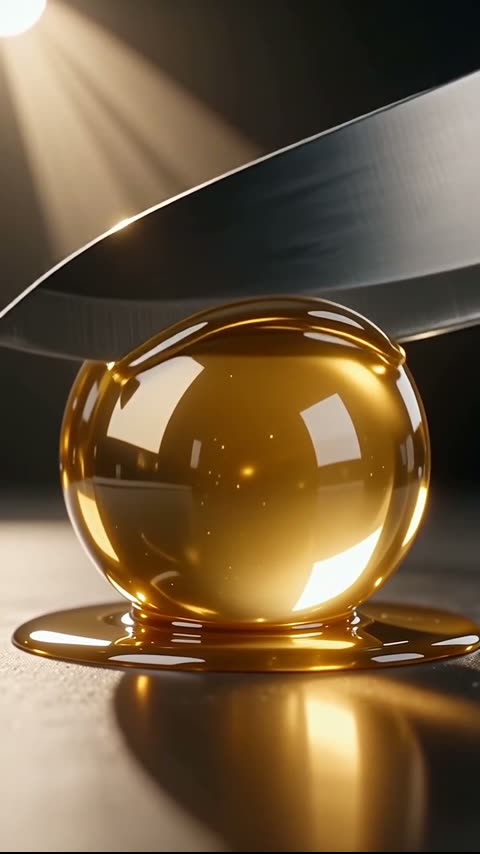
✨ Impossible ASMR
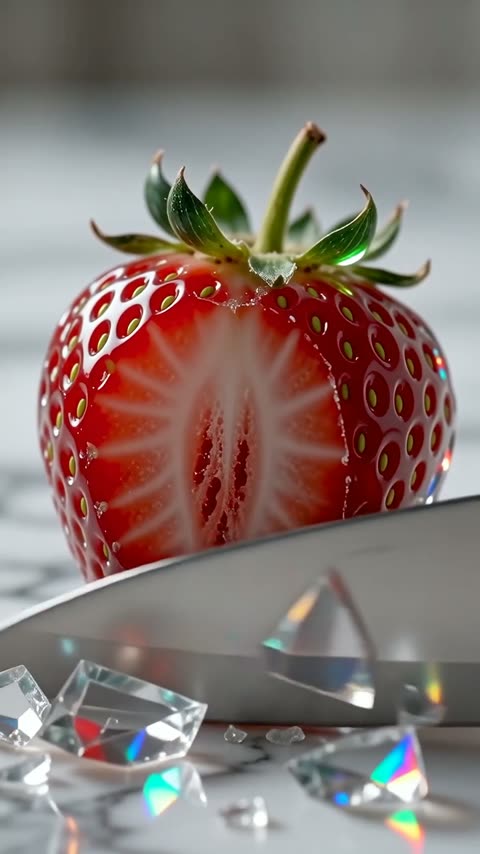
🔮 Glass Fruit Cutting

🍜 Food Summon Jutsu

🐶 Talking Animals

🦶 Cryptid Vlog
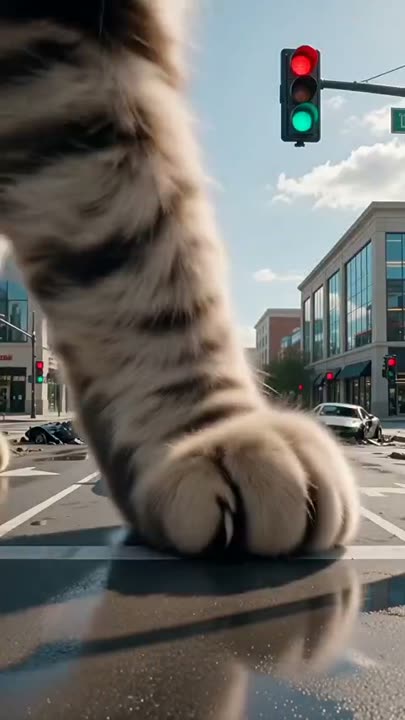
🏙️ Giant Encounter
You just saw which niches win — see a real sample, free
Watch a real sample video free. No credit card required.
Watch it free