Guides
TikTok Video Maker That Runs Your Content Engine
A TikTok video maker should do more than edit clips. Build scripts, visuals, captions, and a publishing rhythm that keeps your channel moving daily now.
A TikTok video maker should do more than edit clips. Build scripts, visuals, captions, and a publishing rhythm that keeps your channel moving daily now.
A TikTok video maker should not leave you staring at a timeline, hunting for stock footage, and wondering what to post tomorrow. If your goal is a faceless channel that grows, the job is bigger than trimming clips. You need a repeatable system that turns one channel idea into finished, on-brand videos on a reliable schedule.
That distinction matters. A basic editor helps after you have an idea, a script, a voiceover, visual assets, captions, and time to assemble them. A content engine handles the work before, during, and after editing. For creators, affiliate marketers, and lean social teams, that is the difference between posting when you can and running a channel every day.
What a TikTok Video Maker Needs to Do
TikTok rewards attention, not production effort. A polished video that takes six hours to make can still lose to a clear 35-second story with a strong first line, fast visual pacing, readable captions, and a topic people already want to watch. The issue is that creating those videos manually at volume creates a stack of small jobs that quickly becomes a full-time role.
First comes topic research. Then you need a hook, a script, a voiceover, visual direction, clips or generated images, music, caption timing, formatting, rendering, and posting. None of those tasks is impossible. Together, they are why most promising channels become inconsistent after a few weeks.
The right TikTok video maker removes that operational friction. It should help you create content designed for vertical viewing, keep your visual identity consistent across a series, and produce enough output to test what earns retention. More output is not automatically better, but consistent output gives you more chances to find a format that works.
For a faceless creator, the core requirements are straightforward: niche-aware scripts, natural voiceovers, visuals that support the point instead of distracting from it, burned-in captions, vertical 1080 x 1920 rendering, and a delivery workflow that does not add another manual bottleneck. If one of those pieces still requires a separate tool, you are not running a system. You are managing a tool stack.
Start With a Series, Not a Random Video
The fastest way to burn out is treating every TikTok as a blank page. A better approach is to define a repeatable series. Think daily finance facts, strange history stories, productivity lessons, relationship psychology, luxury trivia, business breakdowns, or motivational stories. The niche gives your channel a lane. The format gives viewers a reason to recognize the next post.
A useful series has a clear audience, a repeatable promise, and enough topic depth to support weeks of output. “Interesting facts” is broad. “One surprising business lesson from a famous brand in 45 seconds” is a format. It tells you what to research, how to structure the hook, and what a viewer can expect.
Pick your niche, visual style, voice, language, and posting cadence once. Then keep those choices stable long enough to gather useful feedback. Constantly changing the format because one video underperforms makes it hard to tell whether the issue was the topic, hook, pacing, or audience fit.
This is where automation has real leverage. Kineclip turns those channel settings into a scheduled faceless production pipeline: GPT-4o writes niche-specific scripts, OpenAI TTS creates voiceovers, Flux generates visual assets, and the finished render includes music and word-timed burned-in captions. Instead of rebuilding the process for every post, you configure the series and let the system produce against that direction.
The Four Jobs Behind Every Publishable Video
A short video feels simple because the viewer only sees the finished result. Behind it are four decisions that need to work together.
1. Find a topic with a clear payoff
Your topic needs to answer a viewer’s silent question: why should I stay? The strongest hooks create a gap that the video promises to close. “This company made a billion-dollar mistake” is more specific than “A business fact.” “The habit that makes people trust you faster” gives a benefit, not just a category.
Trend-responsive topics can help, especially when they fit your niche. But do not chase every trend. A trend with no connection to your channel may create a temporary spike while training the wrong audience to follow you. Use trends as inputs, not your entire strategy.
2. Turn the idea into a script built for retention
TikTok scripts need momentum. Start with the payoff or tension, not a long introduction. Deliver the context quickly, add details that keep the story moving, and end before the video feels stretched.
A good 30- to 60-second script is not an essay cut into pieces. It is spoken language. Sentences should be easy to hear once. Each line should either raise curiosity, deliver value, or move the story forward. If a sentence does none of those jobs, cut it.
The trade-off is accuracy versus speed. Automated scripts can generate far more starting points than a manual process, but high-stakes topics such as medical, legal, financial, or breaking-news content still deserve human review. Fast output is valuable. Publishing an unsupported claim is expensive.
3. Match visuals and captions to the pace
Faceless content succeeds when the visual layer reinforces the script. It does not need cinematic footage in every second. It needs relevant changes that reset attention and make the message easier to follow. A business story might use generated product scenes, headlines, charts, or brand-inspired imagery. A history story may need period visuals and concise on-screen context.
Captions are part of the creative, not an accessibility feature added at the end. Many viewers watch with sound low or off. Word-timed captions make the narration scannable and give the video visual rhythm. Keep them large enough for a phone screen, high contrast, and positioned where platform controls will not cover them.
A TikTok video maker that renders in vertical 1080 x 1920 from the start avoids the common mistake of repurposing horizontal content with tiny text and awkward crops. Build for the feed where it will be watched.
4. Keep publishing from becoming the new bottleneck
Producing a finished video is only useful if it reaches the platform consistently. Scheduling matters because it protects your cadence from the days when you are busy, traveling, or simply out of ideas.
Distribution workflows are not identical across platforms. YouTube can support auto-publishing. TikTok may use inbox delivery for one-tap posting. That is not a minor detail to hide behind vague automation claims. It is a practical workflow difference that determines who presses the final publish button.
The goal is still hands off, posted on. Your role becomes reviewing the series direction and making occasional creative adjustments, rather than opening an editor every day.
How to Evaluate a TikTok Video Maker
Do not choose based only on templates or a flashy AI demo. Ask where the manual work begins and ends. If you still need to source assets, write every script, time captions, and schedule each post, the tool may be useful, but it is not replacing production.
Look for control where it counts. You should be able to choose a niche, voice, language, visual style, cadence, and destination platform without rebuilding every video from scratch. If you operate more than one channel, check whether the plan supports multiple series and enough video volume to test consistently.
Also check whether you can download finished assets. Platform-native publishing is efficient, but ownership of the final render gives you flexibility to repurpose content, send it to clients, or publish it through another workflow later.
For creators working across audiences, language support matters too. A multilingual channel strategy is more than translating captions. Voice, visual references, pacing, and topic framing may need adjustment for each audience. Automation helps with scale, but localization still benefits from thoughtful oversight.
Run Tests, Then Double Down
Your first series is not a permanent identity. Treat it as a working hypothesis. Publish consistently enough to identify patterns, then look beyond views alone. Watch time, completion rate, saves, comments, profile visits, and follows tell you different things about whether the format is attracting the right people.
When a topic performs, do not merely celebrate it. Turn it into a cluster. If a video about overlooked luxury brands gets traction, create adjacent videos on pricing psychology, brand origin stories, exclusivity tactics, and product myths. You are building a content library around proven viewer interest.
When a video misses, change one variable at a time. Test the opening line before changing the entire niche. Test a sharper visual style before replacing the voice. A channel grows through informed iteration, not random reinvention.
The real advantage of a TikTok video maker is not that it produces a single video faster. It gives you the capacity to run a focused experiment every day, learn what your audience responds to, and keep the channel moving while you build the business behind it.
See what a series looks like
How Kineclip helps
Kineclip is the practical implementation of the workflow described above — pick a niche, set a schedule, and the system produces vertical videos end-to-end.
Try Kineclip's series workflow →Related articles
Guides
AI Video Generator Comparison for Daily Shorts
An AI video generator comparison for creators who need more than a clip: compare workflow, control, output, and publishing for daily short-form growth.
Guides
Are Faceless Channels Profitable? The Real Math
Are faceless channels profitable? See the revenue math, the costs, and the publishing system that turns short-form output into a real asset over time.
Guides
Short Form Video Strategy That Runs Every Day
Build a short form video strategy that turns one niche into a repeatable pipeline for ideas, videos, captions, scheduling, and measurable reach at scale.
Make videos like these with AI
40+ viral templates — ASMR, talking characters, POV and more. Pick one and see a real sample in seconds.

✨ Impossible ASMR

🔮 Glass Fruit Cutting

🍜 Food Summon Jutsu

🐶 Talking Animals
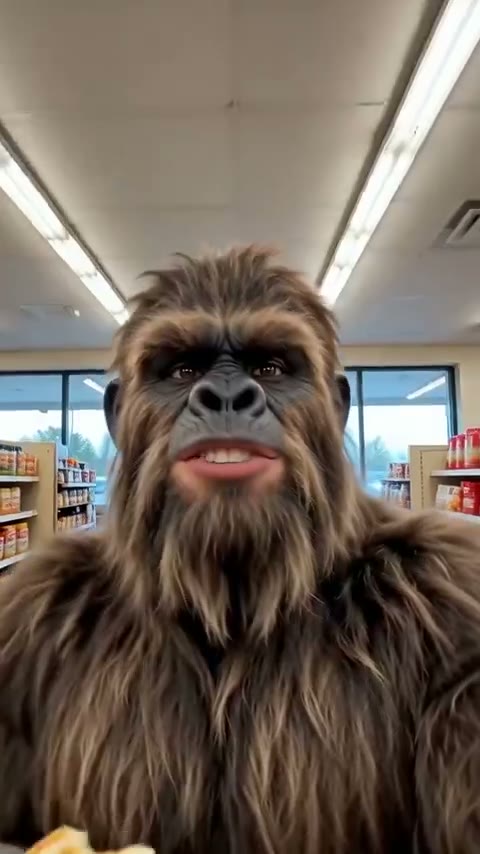
🦶 Cryptid Vlog

🏙️ Giant Encounter
Do it the easy way — see what the workflow makes, free
Watch a real sample video free. No credit card required.
Watch it free