Trends
Short-Form Video Trends 2026: What's Working on TikTok, YouTube & Instagram
The biggest short-form video trends in 2026. Platform algorithm changes, trending formats, AI content rise, and monetization updates for TikTok, YouTube Shorts, and Reels.
Five trends define short-form video in 2026: AI-generated content is now a large and fast-growing share of new uploads, the 60-90s window balances Creator Rewards eligibility against completion rate, saves outrank likes as an engagement signal on all three platforms, search intent drives discovery on TikTok and YouTube, and Instagram deprioritizes Reels it detects were posted to TikTok first.
Short-form video continues to dominate social media in 2026, and TikTok, YouTube Shorts, and Instagram Reels remain the three surfaces where new creators build an audience fastest. But the landscape has shifted significantly from even a year ago. Algorithm changes, new monetization models, the explosion of AI-generated content, and evolving viewer preferences mean that what worked in 2025 may not work in 2026.
Whether you are an established creator adapting to new trends or a beginner looking for the best opportunity to enter the market, this guide covers everything you need to know about short-form video in 2026. We break down platform-specific algorithm changes, the formats that are performing best right now, how AI is reshaping content creation, and where the monetization opportunities are strongest.
Platform Algorithm Changes in 2026
Understanding how each platform's algorithm has evolved is critical for creating content that gets distributed. Here are the most significant changes across the big three.
TikTok Algorithm Updates
TikTok has made several notable algorithm shifts in 2026. The platform now gives stronger preference to videos over 60 seconds, aligning with its Creator Rewards monetization model. Completion rate remains the single most important ranking signal, but TikTok has added "rewatch rate" as a major factor — videos that people watch multiple times get significantly more distribution.
The algorithm also now weighs "search intent" more heavily. TikTok is positioning itself as a search engine for Gen Z, and videos that answer specific questions or cover searchable topics get boosted in both the For You page and search results. This is a massive shift that favors educational and informational content. For more platform strategy, see our TikTok Creator Rewards guide.
YouTube Shorts Algorithm Updates
YouTube has extended the maximum Shorts length to 3 minutes, a major change from the original 60-second cap. Early data shows that Shorts between 60 and 90 seconds are hitting a performance sweet spot — long enough for meaningful content but short enough to maintain high completion rates.
The biggest algorithm update is improved "Shorts to long-form conversion tracking." YouTube now actively promotes Shorts from creators who also have long-form content, creating a powerful funnel. Even if you only create Shorts, the algorithm increasingly favors channels that demonstrate topical expertise across multiple videos. See our YouTube Shorts monetization guide for earning strategies.
Instagram Reels Algorithm Updates
Instagram has recommitted to Reels after a period of uncertainty. The 2026 algorithm heavily prioritizes original content over reposts. If the algorithm detects that a Reel was posted to TikTok first, it may deprioritize distribution. For multi-platform creators, this means removing TikTok watermarks is no longer enough — staggering posting times and making minor edits for each platform yields significantly better results.
Reels now also factor in "saves" as a primary engagement signal — more than likes or comments. Content that viewers save for later reference gets dramatically more distribution. This heavily favors educational, tutorial, and list-based content. For more on the platform, read our Instagram Reels growth guide.
Trending Video Formats in 2026
Beyond platform algorithms, specific content formats are outperforming others this year. Here are the formats generating the most views and engagement.
Story-Driven Narrative Content
Narrative videos — content that tells a story with a beginning, middle, and end — continue to dominate. Horror stories, historical narratives, true crime recaps, and biographical mini-documentaries consistently outperform other formats. The key is creating a narrative arc even in 60 to 90 seconds: hook the viewer with intrigue, build tension, deliver a satisfying conclusion. AI video tools excel at this format because they generate complete scripts with natural story structure.
Educational Micro-Content
"Learn something in 60 seconds" videos are experiencing massive growth. Topics range from science facts to financial literacy to technology explainers. The TikTok and YouTube algorithms both favor this format because it drives high save rates and repeat views. Creators in the education space are seeing some of the fastest growth rates on every platform.
AI-Enhanced Visual Storytelling
A format that barely existed a year ago is now one of the most popular: videos that use AI-generated imagery to illustrate narrated content. This is the core format for faceless channels — a compelling voiceover paired with AI images that bring the story to life. Viewers find this format immersive and binge-worthy. The visual quality of AI image generation has reached a level where these videos look professional and polished.
Series and Recurring Formats
Platforms are rewarding creators who build recurring content series. "Part 1, Part 2" style videos, daily themed content (like "Scary Story Sunday" or "Finance Fact Friday"), and numbered series all drive higher follower conversion because viewers want to see the next installment. This format naturally lends itself to AI automation because you can generate ongoing series content indefinitely.
Vertical Mini-Documentaries
With the extension of short-form video lengths on all platforms, a new format has emerged: the 90-second to 3-minute vertical mini-documentary. These pack the production value and information density of traditional documentaries into a short-form format. Topics that work well include unsolved mysteries, company origin stories, scientific discoveries, and cultural phenomena.
The Rise of AI-Generated Content
AI-generated video content has gone from a novelty to a dominant force in short-form video. Here is what that shift looks like in practice.
AI Content Volume in 2026
AI-generated and AI-assisted video is now a large and fast-growing share of what gets uploaded to the major short-form platforms, and it is concentrated in the niches where a script, a voiceover, and generated imagery are the entire production — horror, motivation, and educational facts are the clearest examples. None of the platforms publish a figure for this, and they have no obvious incentive to, so treat any specific percentage you see quoted as an estimate rather than a measurement.
Platform Policies on AI Content
All three major platforms have clarified their stance on AI content in 2026: it is allowed and treated equally in algorithmic distribution, provided it does not violate content policies. TikTok requires AI content labels for certain categories. YouTube has implemented AI disclosure tags but does not penalize AI content in recommendations. Instagram treats AI content identically to human-created content for distribution purposes.
Quality Gap Has Closed
The quality difference between AI-generated and human-produced short-form video has effectively closed. Modern AI voiceovers sound natural. AI-generated images are high-resolution and stylistically consistent. Automated captioning is more accurate than many human editors. Viewers rarely notice or care whether content was AI-generated — they care whether it is engaging. Tools like Kineclip run that whole stack end to end: a written script, a scene plan, an AI voiceover, timed captions, and generated images, composed into a finished vertical video.
Democratization of Content Creation
AI tools have fundamentally democratized short-form video. Creating professional-quality content no longer requires expensive equipment, editing software expertise, or on-camera talent. Anyone with an internet connection and a content strategy can produce and publish daily. This has expanded the creator economy significantly, bringing in creators from diverse backgrounds who were previously locked out by technical and financial barriers.
Monetization Updates Across Platforms
The money in short-form video continues to grow. Here is what has changed for creator earnings in 2026.
TikTok Creator Rewards Program
TikTok expanded its Creator Rewards Program with higher payouts for qualifying content. TikTok does not publish an RPM, and creator-reported rates swing widely by niche and audience geography, so any single number you see quoted is one channel's anecdote rather than a rate card. What is fixed is the eligibility rule, and it drives the format: a video must be longer than 1 minute to earn from Creator Rewards, and only qualified For You feed views count. Read our detailed TikTok monetization guide for qualification strategies.
YouTube Shorts Revenue Sharing
Shorts monetization does not work like long-form monetization, and the difference is the single most misreported fact in this space. Ads that run between Shorts in the feed are pooled: YouTube collects that revenue, allocates it across creators in proportion to their share of qualifying Shorts views, and pays out from the pool. A Shorts view is therefore worth a small fraction of a long-form view — the gap is roughly an order of magnitude, not a few percent. Shorts still earn, but the money in a Shorts strategy is mostly in the audience it builds and the long-form watch time it feeds, not the per-view payout.
The Partner Program thresholds are misreported just as often, so here they are exactly. At 500 subscribers, with 3 valid public uploads in the last 90 days and either 3,000 valid public watch hours in the last 12 months or 3 million qualified public Shorts views in the last 90 days, a channel joins the expanded Partner Program — but that tier unlocks fan funding (channel memberships, Super Chat, Super Thanks) and Shopping only. Ad revenue sharing sits behind a higher bar: 1,000 subscribers with either 4,000 valid public watch hours in the last 12 months or 10 million qualified public Shorts views in the last 90 days. Source: YouTube Help, support.google.com/youtube/answer/13429240 and support.google.com/youtube/answer/72851, checked August 2026.
Instagram Reels Bonuses and Brand Partnerships
Instagram has shifted from its invite-only Reels bonus program to a broader creator fund with more transparent payouts. Instagram publishes no RPM for Reels and the fund's terms have changed repeatedly, so it is not something to build a forecast on. Where Instagram actually pays most creators is brand partnerships and affiliate deals — the platform's profile, DM, and shopping surfaces make it far easier to close a sponsorship there than on a feed you cannot link out of, and that is the revenue line worth optimizing for directly.
Multi-Platform Revenue Stacking
The biggest monetization trend is stacking revenue across all three platforms. A single AI-generated video published to TikTok, YouTube Shorts, and Instagram Reels can earn from all three creator programs simultaneously, at no extra production cost — the video is already made. That is precisely why stacking is the standard playbook rather than an optimization: no single platform's short-form payout is large on its own, so the third publish of an asset you already own is the cheapest revenue available to you.
What Is Working Right Now: Actionable Tactics
Based on current data and trends, here are the specific tactics generating the best results in April 2026.
- Hook within 1.5 seconds: Attention spans have shortened further. Your video's opening frame and first line must immediately create curiosity or tension. Questions, bold claims, and "you will not believe" hooks still work because they trigger the curiosity gap.
- Post 2 to 3 times daily: The algorithm rewards volume more than ever, and with AI tools, producing 2 to 3 quality videos per day is realistic. The mechanism is simply more chances for one video to catch — which makes posting cadence the easiest variable for a small channel to change, and the first one to change.
- Optimize for search: Both TikTok and YouTube are leaning into search discovery. Include relevant keywords in your captions, descriptions, and on-screen text. Videos that rank for specific search queries get long-tail views for months.
- 60 to 90 second sweet spot: This length maximizes monetization eligibility on TikTok while maintaining strong completion rates across all platforms. It is long enough for a compelling narrative and short enough to keep viewers engaged.
- Consistent visual branding: Use the same art style, caption style, and voice across all your videos. This builds brand recognition and increases follower conversion. When viewers recognize your style as they scroll, they stop and watch.
- Encourage saves over likes: End your videos with a call to action to save the video for later rather than just liking it. Saves are weighted more heavily by algorithms on all three platforms in 2026.
Niches Trending Upward in 2026
While established niches like horror and motivation continue to perform, several niches are experiencing accelerating growth this year.
- Dark history and true crime — Combining historical events with narrative storytelling. It is one of the most heavily searched categories on both TikTok and YouTube, which matters more in 2026 now that both platforms weight search intent.
- AI and technology explainers — As AI becomes mainstream, audiences are hungry for accessible explanations of how it works. Videos explaining AI concepts in simple terms consistently go viral.
- Stoic philosophy — Philosophy content framed through a modern lens. Quotes, life lessons, and Stoic principles set against cinematic AI imagery generate high save and share rates.
- Personal finance for Gen Z — Budgeting, investing, and financial independence content targeted at younger audiences. High RPM and strong brand sponsorship potential.
- Space and cosmos — The visual nature of space content makes it perfect for AI image generation. Black holes, distant galaxies, theoretical physics — all topics that engage audiences and generate high engagement.
- Unsolved mysteries — Combining true events with narrative tension. This niche drives exceptionally high completion rates because viewers watch to the end hoping for resolution.
Looking Ahead: What to Prepare For
Short-form video will continue to evolve rapidly through the rest of 2026. Here are the trends to prepare for in the second half of the year.
Longer Short-Form Content
Platforms will continue pushing the length boundaries of "short-form" content. Expect TikTok to further incentivize videos over 3 minutes and YouTube to expand Shorts to 5 minutes. This blurs the line between short-form and traditional content and creates opportunities for more in-depth storytelling.
Enhanced AI Creation Tools
AI video generation will become even more sophisticated, with better voice cloning, more artistic styles, and the emergence of AI-generated motion video (not just images with transitions). Creators who adopt these tools early will have a significant quality advantage.
Platform Shopping Integration
All three platforms are deepening their e-commerce integrations. Short-form video will increasingly be a direct sales channel, with in-video purchase links and product tagging. This opens up affiliate and product revenue streams that do not exist yet.
Creator-to-Creator Collaboration Features
Platforms are building more collaboration features — duets, remixes, co-creation tools. Using these features for cross-promotion will become an important growth tactic.
Frequently Asked Questions
What is the biggest short-form video trend in 2026?
The biggest trend is the rise of AI-generated content at scale. Creators are using AI tools to produce multiple videos per day with professional quality. This has leveled the playing field, allowing solo creators to compete with production teams. Platforms are embracing AI content as long as it provides genuine value to viewers.
Is TikTok still growing in 2026?
Yes. TikTok continues to grow, though the rate has shifted from explosive user growth to deeper engagement per user. The Creator Rewards Program has attracted more serious creators, and the platform is pushing longer content. For strategies, see our TikTok growth guide.
Are YouTube Shorts worth it in 2026?
YouTube Shorts is one of the strongest opportunities in 2026, but not because of per-view payouts. Shorts ad revenue is pooled: YouTube collects the revenue from ads between Shorts in the feed and pays creators a share proportional to their qualifying Shorts views, so a Shorts view is worth a small fraction of a long-form view. The real advantage is the funnel — Shorts viewers convert into long-form subscribers, and long-form is where the higher RPM lives. Shorts views also count toward Partner Program eligibility: ad revenue sharing needs 1,000 subscribers with either 4,000 valid public watch hours in the last 12 months or 10 million qualified public Shorts views in the last 90 days (YouTube Help, support.google.com/youtube/answer/72851). See our YouTube Shorts guide for details.
How long should short-form videos be in 2026?
Optimal length varies by platform. TikTok rewards videos of 60 seconds or longer for monetization. YouTube Shorts allows up to 3 minutes but the sweet spot is 30 to 60 seconds. Instagram Reels perform best between 15 and 60 seconds. The general trend is toward slightly longer short-form content compared to previous years.
Can AI-generated videos go viral?
Absolutely. AI-generated videos regularly go viral across all platforms. The algorithms evaluate content based on viewer engagement — watch time, shares, comments — not whether it was made by a human or AI. Well-crafted AI videos with strong hooks and compelling narratives perform just as well as manually produced content. See examples of AI content strategies that drive viral reach.
What niches are trending for short-form video in 2026?
The hottest niches include AI and technology explainers, dark history and true crime, stoic philosophy, science and space, personal finance for Gen Z, and horror and paranormal. Niches that combine education with entertainment outperform pure entertainment in both views and monetization.
Stay Ahead of the Trends
The short-form video landscape rewards creators who adapt quickly. The trends outlined in this guide represent the current state of play, but the smartest creators are already preparing for what comes next. The common thread across every trend is clear: consistent, high-quality content published daily across multiple platforms wins.
AI tools make it possible to execute on that strategy without a team or a budget. Start your Kineclip trial for $4.99 and put trend-aligned content out today — 7 days, then your plan starts. The best time to start was yesterday — the second best time is right now.
See what AI video looks like
How Kineclip helps
Kineclip ships against the trends covered in this article — vertical-first generation, AI scripts, automated posting, and platform-specific formatting.
Try Kineclip's AI video →Related articles
Trends
AI Video Generator for Trending Topics (2026)
An AI video generator for trending topics covers what's live in your niche today, not stale evergreen. Here's why timeliness matters and how it works.
Trends
AI That Writes Video Scripts From Trending News (2026)
How Kineclip scripts daily videos from what's actually trending in your niche today — tech, finance, news — then voices them, captions them, and publishes them to YouTube automatically.
Trends
Do Faceless YouTube Channels Still Work in 2026?
Do faceless YouTube channels still work in 2026? An honest look at saturation, the AI-content backlash, what platforms reward now, and where faceless creators still win.
Make videos like these with AI
40+ viral templates — ASMR, talking characters, POV and more. Pick one and see a real sample in seconds.

✨ Impossible ASMR
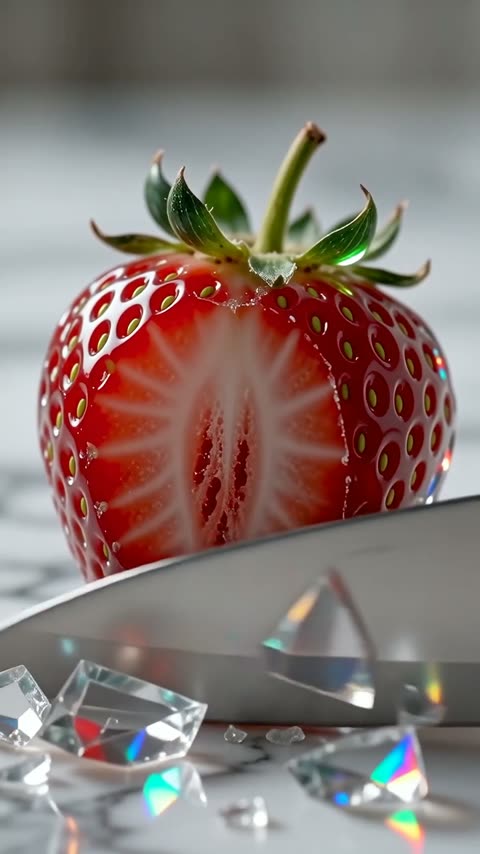
🔮 Glass Fruit Cutting

🍜 Food Summon Jutsu

🐶 Talking Animals
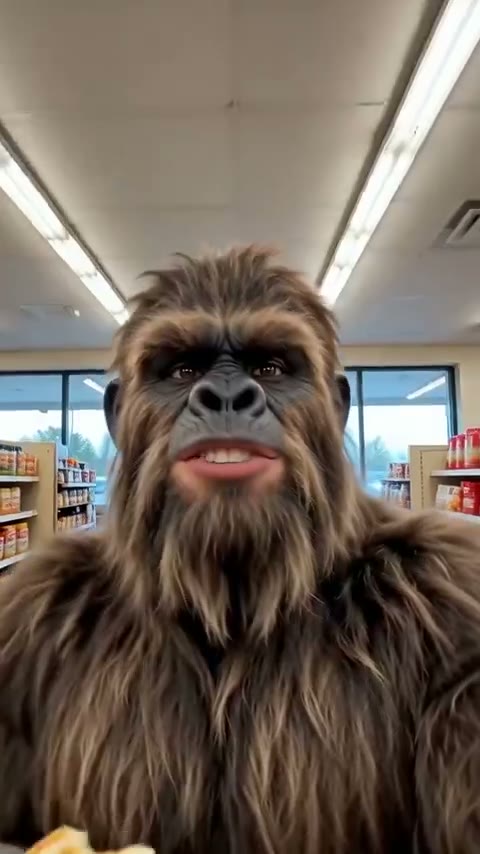
🦶 Cryptid Vlog
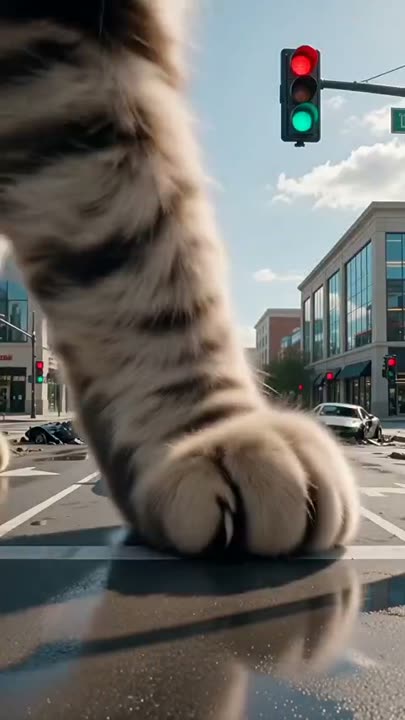
🏙️ Giant Encounter
Ride this trend now — see a real AI-made short, free
Watch a real sample video free. No credit card required.
Watch it free