Guides
How to Post One Video to TikTok, YouTube & Instagram (2026)
One vertical render can serve all three platforms. Here is the universal safe format, the watermark trap to dodge, the per-platform tweaks that matter, and how to auto-cross-post on a schedule.
TikTok, YouTube Shorts, and Instagram Reels all use the same vertical 9:16 format, so one clean 1080x1920 render — captions in the safe zone, no competitor watermark — works natively on all three. Tailor only the caption and hashtags per platform, upload the file directly to each app (not a re-shared in-app download), and let an auto-poster handle YouTube on schedule while TikTok is a single tap from your inbox.
Making one good short-form video is work. Making three — one for TikTok, one for YouTube Shorts, one for Instagram Reels — sounds like three times the work. It is not, and that misconception quietly costs creators most of their reach. The truth is that all three platforms converged on the same vertical format years ago, which means a single render, built correctly, can be posted to every one of them with nothing more than a tweak to the caption. This is the entire premise of cross-posting (sometimes called repurposing), and it is the highest-impact habit a faceless creator can build.
This guide covers exactly how to do it: why one 9:16 file serves all three platforms, the universal safe format that uploads cleanly everywhere, the watermark trap that silently throttles reposts, the small per-platform adjustments that actually matter, and how an auto-posting pipeline publishes the same render to every connected account so you never download and re-upload by hand again.
Why one video can serve all three platforms
TikTok, YouTube Shorts, and Instagram Reels are, from a file's point of view, the same product: a full-screen vertical video feed optimized for phones held upright. They all expect a 9:16 aspect ratio, they all autoplay muted, and they all overlay their own interface on top of your frame. Because the canvas is identical, a video designed for one is already designed for all three. You are not making three videos; you are making one video and distributing it three ways.
That distribution matters more than it used to. The short-form algorithms reward consistency and surface area — the more places your content can be discovered, the more shots you get at a clip catching. Posting the same strong video to three audiences instead of one roughly triples your discovery surface for the same production cost. If you are still deciding what to make, the best faceless niches for 2026 guide pairs well with a cross-posting workflow, because evergreen niches travel across platforms cleanly.
The universal safe format (build it once)
A "universal" master is just a video built to the strictest common denominator of all three platforms, so it never needs re-editing. The target spec is simple:
- Resolution & ratio — 1080x1920, a true 9:16 vertical frame. No letterboxing, no pillarboxing, no square crops.
- Container & codecs — an MP4 with H.264 video and AAC audio. This is the format every platform ingests without re-encoding surprises.
- Length — keep it under 60 seconds. That stays inside the Shorts ceiling and the sweet spot for Reels and TikTok retention.
- Caption safe zone — keep on-screen text clear of the top ~12% (where platform UI and the profile photo sit) and the bottom ~18% (where the caption, sound credit, and buttons live). Word-synced captions belong in the lower-middle, never the extreme edges.
- No competitor watermark — the master must be clean. More on why this is non-negotiable below.
Build to that spec and the same file drops into all three apps natively. If you want the captions handled for you — sized, outlined, and parked safely inside the frame — an AI captions generator produces word-synced text that already respects these zones, so the render is cross-platform-safe from the start.
The watermark trap (the mistake that throttles reposts)
Here is the single most common way creators sabotage their own cross-posting. They make a video, post it to TikTok, then tap save inside the TikTok app to download it — and repost that file to Reels and Shorts. The problem: an in-app download is stamped with the TikTok logo and your username, baked permanently into the pixels.
Instagram and YouTube both treat a competitor's watermark as a signal that the content is recycled from elsewhere, and they deprioritize it in the feed. So the lazy save-and-repost move quietly caps the reach of your other two posts. The fix is to always cross-post from your original clean master render — the watermark-free file you exported before it ever touched a platform — not from an in-app download. One clean file, uploaded fresh to each app, gives every platform a first-class copy.
Native upload beats re-sharing
Closely related: how the file gets onto each platform matters as much as the file itself. Every short-form algorithm favors a video that was uploaded directly into its own app over one that was link-bounced or re-shared from another network, because native uploads keep watch time, comments, and shares on-platform where the algorithm can measure them.
In practice this means: do not post a TikTok link to your Instagram story and call it cross-posting. Instead, take the clean master and upload it separately and natively to TikTok, to YouTube Shorts, and to Instagram Reels. Each platform gets its own full-resolution, watermark-free copy that it treats as original content. It is a few more taps per platform — which is exactly the friction that automation removes.
The per-platform tweaks that actually matter
The video file stays identical across all three. What you adjust is the thin layer of metadata wrapped around it — and the good news is the differences are small and predictable:
- TikTok — a punchy one-line caption and a handful of tight, relevant hashtags. Trends move fast here, so timing and a strong hook in the first second do most of the work.
- Instagram Reels — similar to TikTok, but lean slightly more on a few well-chosen hashtags and a caption that invites a comment. Reels rewards saves and shares.
- YouTube Shorts — this is the search-leaning platform. Write a clear, descriptive, keyword-aware title and a short description. Shorts surface in search and on the watch page long after posting, so titles matter more here than on the other two.
Your word-synced on-screen captions, by contrast, stay the same everywhere — they are part of the render and they boost retention on every platform since most short-form is watched muted. Timing the post is a separate lever worth learning; the best time to post on TikTok in 2026 breaks down the scheduling side.
Where this fits in a real workflow
Cross-posting pays off most when it is paired with volume. The reason faceless creators batch content is that a consistent daily drip across three platforms is what trains the algorithms to trust your account — and doing the export, watermark check, and triple upload by hand every single day is precisely the grind that burns people out. Repurposing one render across three feeds multiplies the output of every batch you produce. If you want a system for that, the content batching guide for faceless creators and the guide to auto-posting to TikTok and YouTube cover the production and publishing halves respectively.
Automating cross-posting end to end
The manual version of everything above is straightforward but tedious: export a clean master, confirm it has no watermark, then upload it natively to three apps and write three captions. The automated version collapses that into setup-once. A pipeline that already produces the render can hold onto the clean, watermark-free master and hand it to every connected account on the cadence you choose, with the right caption and title per platform. Automatic to YouTube Shorts, one tap to TikTok, download-and-post for Instagram and Facebook (Instagram auto-publishing is built but not switched on).
Because the system controls the file from generation through posting, it never grabs an in-app download, so the watermark trap is impossible by design, and every account receives a direct, first-class native upload. You configure a series once — niche, voice, style, and posting schedule — and a fresh video is ready for all three platforms each day. See the end-to-end flow on the how it works page or the deeper AI Shorts generator breakdown.
Kineclip does exactly this: it generates a clean 1080x1920 vertical render — script, voiceover, visuals, and safe-zone word-synced captions — and publishes that single master to your connected YouTube channel on schedule, drops it into your TikTok inbox as a one-tap draft, and leaves a clean, watermark-free download for Instagram, which Kineclip does not post to for you. If you would rather see it than read about it, the AI video generator page lets you set up your first cross-posting series in minutes.
Frequently asked questions
Can I really post the exact same video to TikTok, YouTube Shorts, and Instagram Reels?
Yes. All three platforms use the same vertical 9:16 short-form format, so a single 1080x1920 render works natively on every one. The only thing you tailor per platform is the surrounding metadata — caption text, hashtags, and title — not the video file itself. That is what makes cross-posting (also called repurposing) so efficient for faceless creators.
What is the universal safe format for a cross-platform short?
A 1080x1920 MP4 (H.264 video, AAC audio) under 60 seconds, with captions kept inside the safe zone — clear of the top ~12% and bottom ~18% where platform UI sits. Center your subject, keep on-screen text large and high-contrast, and avoid burning in any platform logo. A file built this way uploads cleanly to all three with no re-editing.
Why should I avoid the TikTok watermark when reposting?
When you download a finished video from inside the TikTok app, it stamps the TikTok logo and your username onto the file. Instagram and YouTube both down-rank or deprioritize videos that carry a competitor's watermark, so reposting that file works against you. Always cross-post from a clean, watermark-free master render instead of an in-app download.
Does native uploading really beat sharing a link between apps?
It does. Each platform's algorithm favors video that was uploaded directly into its own app over a re-shared or link-bounced copy, because native uploads keep watch time and engagement on-platform. Uploading the same clean master file separately to each app gives every platform a first-class native copy and avoids watermark penalties.
How are captions and hashtags different on each platform?
On-screen word-synced captions stay identical across all three — they are part of the render and help retention everywhere. The text caption and hashtags differ: TikTok and Reels reward a few tight, relevant hashtags and a hooky one-liner, while YouTube Shorts leans on a clear, searchable title plus a short description. You write the file once and adjust only this metadata per platform.
Can a tool post one video to all three platforms automatically?
Partly, and the honest answer differs by platform. End-to-end platforms render one clean 9:16 master and publish it natively to YouTube on the schedule you set. TikTok's API delivers it to your inbox as a ready-to-publish draft, so it is one tap rather than zero. Instagram has no equivalent third-party publishing path for most tools, so Reels remains a manual upload of the same watermark-free file. You still avoid the download-and-reupload grind — the file is always the clean master.
See what a series looks like
How Kineclip helps
Kineclip is the practical implementation of the workflow described above — pick a niche, set a schedule, and the system produces vertical videos end-to-end.
Try Kineclip's series workflow →Related articles
Guides
AI Video Generator Comparison for Daily Shorts
An AI video generator comparison for creators who need more than a clip: compare workflow, control, output, and publishing for daily short-form growth.
Guides
Are Faceless Channels Profitable? The Real Math
Are faceless channels profitable? See the revenue math, the costs, and the publishing system that turns short-form output into a real asset over time.
Guides
Short Form Video Strategy That Runs Every Day
Build a short form video strategy that turns one niche into a repeatable pipeline for ideas, videos, captions, scheduling, and measurable reach at scale.
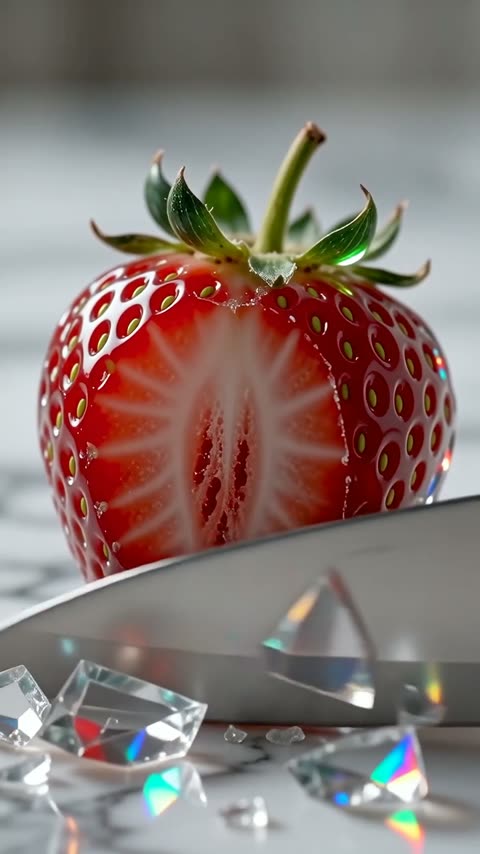
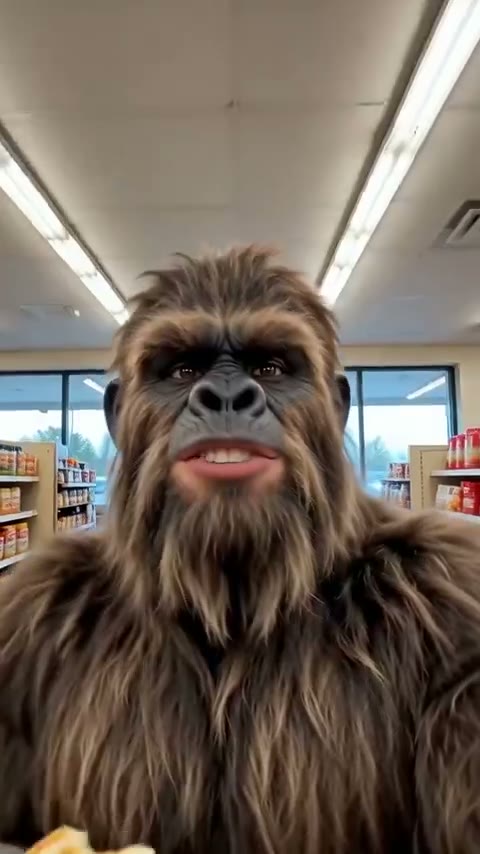
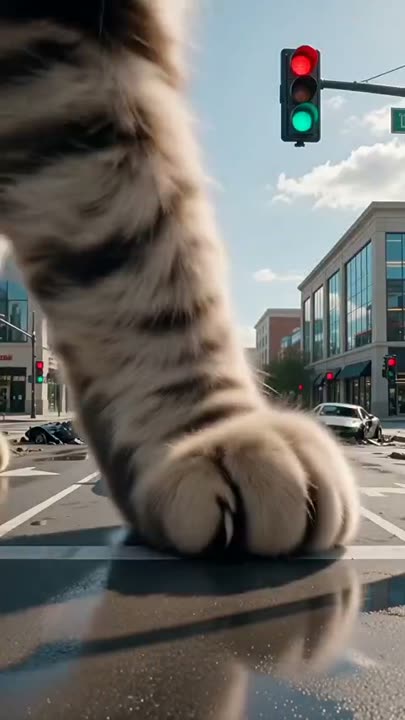
Make videos like these with AI
40+ viral templates — ASMR, talking characters, POV and more. Pick one and see a real sample in seconds.

✨ Impossible ASMR
🔮 Glass Fruit Cutting

🍜 Food Summon Jutsu

🐶 Talking Animals
🦶 Cryptid Vlog
🏙️ Giant Encounter
Do it the easy way — see what the workflow makes, free
Watch a real sample video free. No credit card required.
Watch it free