Niche Guides
AI Video Generator for Beauty & Skincare Content (2026)
Beauty and skincare is one of short-form's biggest niches — and you can build an educational channel in it without ever being on camera. Here's how a faceless AI beauty series actually works, and the honest line on where it fits.
Kineclip generates faceless beauty and skincare shorts end to end — AI script, soft aesthetic visuals, warm voiceover, and word-synced captions — then posts to YouTube Shorts automatically and delivers a one-tap draft to your TikTok inbox; Instagram Reels and Facebook Reels are download-and-post. Best for tips, ingredient explainers, and myth-busting, not hands-on demos that need real footage.
Beauty and skincare is one of the largest, most durable niches on short-form video. People search constantly for what an ingredient actually does, whether a viral routine is worth trying, and which "rules" are myths. That appetite for clear, trustworthy explanations never really cools off, which makes it a strong niche to build a channel around.
The catch is the format most people assume beauty requires: a face on camera, a ring light, product hauls, and hands-on demos. That's a real and valuable content style — but it isn't the only one, and it isn't what a faceless AI generator is for. This post covers how to run an education-first beauty and skincare channel with Kineclip: what the videos contain, how to set one up, the sub-angles that work, and the honest limits worth knowing before you start.
The honest framing first
Beauty content splits into two very different jobs, and it's worth being clear about which one this does. Kineclip does not film you applying a serum, swatch a lipstick on your arm, or record a get-ready-with-me. It generates videos from scratch — the script, the visuals, the voiceover, and the captions are all AI-made. So the channel you'd build here is education-first: skincare tips, ingredient explainers, beauty facts, trend breakdowns, and myth-busting, illustrated with soft AI visuals in a consistent style.
If your appeal depends on real footage — showing how a product applies, demonstrating a technique, swatching shades, or a personality followers want to watch on camera — that's a real-footage creator channel, and this isn't a substitute for it. But if you want to teach, explain, and break down beauty topics at a daily cadence without being on camera, that's exactly what a faceless generator is built for. Knowing which channel you want saves a lot of frustration later.
What one beauty video actually contains
You configure a series once — pick the beauty niche, a voice, an art style, and a format — and each generated video comes back as a finished vertical (9:16) short with every part assembled:
- An AI-written script (OpenAI) built around a beauty or skincare topic, opening on a hook.
- AI-generated images (fal.ai) rendered in your series' art style for a soft, cohesive look.
- An AI voiceover (OpenAI text-to-speech) reading the script in the voice you chose.
- Word-synced captions burned into the render and kept inside the safe zone — which matters, since a lot of beauty content is watched on mute.
- Automatic posting to YouTube Shorts and one-tap TikTok drafts once you connect an account, plus a 1080x1920 download for Instagram and Facebook Reels.
The same engine powers every niche; the beauty configuration steers the script toward skincare and beauty topics while the art style keeps the channel looking like one account instead of a new brand every day.
The sub-angles that work best
The faceless format rewards content where the value is in the information, not the footage. For beauty, that points to a handful of reliable sub-angles you can run for months without repeating yourself:
- Ingredient explainers — "what niacinamide actually does," "hyaluronic acid, explained simply," "retinol vs. retinoid." These are among the most-searched beauty questions and translate cleanly to a narrated short.
- Skincare tips — the right order to apply products, how much sunscreen to use, why some people double cleanse.
- Myth-busting — "does drinking water clear your skin?", "do pores open and close?" Correcting a common belief is naturally hook-shaped.
- Trend breakdowns — explaining what a viral routine or ingredient is and who it's actually for.
- Beauty facts and history — the origin of a product category, or surprising facts about makeup, hair, and fragrance.
A Top 5 countdown format fits list-style topics ("5 skincare mistakes that quietly age your skin"), while a What If framing suits curiosity hooks. You can generate a free sample on one of these angles to see how the script and voice handle it before you commit to a full series.
Setting up your series, step by step
The setup is short, and the choices you make here define the channel's entire feel:
- Niche: choose beauty so the scripts stay on-topic.
- Art style: a soft, aesthetic style — clean, warm, minimal — reads as premium and matches the category's visual language. You set it once and every video inherits it.
- Voice: a warm, friendly voice suits educational beauty content, sounding like a knowledgeable friend rather than an ad read.
- Format: Top 5 for list topics, What If for curiosity hooks, or Story Time for longer explainers.
- Language: pick from 22 languages if your audience isn't English-first.
Because everything is set at the series level, the channel stays consistent as it grows. The series also feeds the titles of your previous videos back into the script step, so the model avoids re-covering the same ingredients over and over — which matters in beauty, where it's easy to loop the same five popular actives. If you want two distinct looks, run them as two separate series with different styles and voices.
Get your facts right — this part matters
Beauty and skincare is a space where accuracy genuinely counts. An AI script is a strong first draft, but it can state things with more confidence than the evidence supports, and skincare claims in particular deserve care — you don't want to present an unproven benefit as settled fact. Treat the generated script as a starting point to review, not gospel.
When accuracy is critical, don't leave it to the model. Use the create-from-source flow: paste your own vetted script (up to 15,000 characters), or an article URL from a source you trust — Kineclip reads the first 15,000 characters of the page — and renders a real video from it with the same voiceover, art style, captions, and posting. That's the honest way to run a factual beauty channel — write or verify the claims yourself, then let the tool handle production. It also keeps you clear of stating medical or dermatological advice you're not qualified to give; stick to widely accepted information and frame anything uncertain as such.
What it costs to run
A series' videos come out of your plan's monthly video allowance — no credits are spent when a series generates. The monthly credits every plan includes are for one-off videos in the AI Videos tool instead. A Standard video is 2 credits and a Premium video is 4 at the 5-second length, and those prices are the same for everyone — the subscriber saving is on credit packs, not per video. First-time monthly signups get a $4.99, 7-day trial, then Starter ($19), Growth ($39), or Pro ($69) per month, each with its own credits included. You can try it free with a sample video to check the render quality on a beauty topic before you pick a plan.
Who it's for
This fits beauty writers, aspiring estheticians, affiliate marketers, and anyone who wants to grow an educational beauty channel without being on camera. If you're comfortable researching or verifying claims and your goal is steady, teach-something daily posting, a faceless generator removes the usual bottleneck of sourcing footage and editing. If your entire draw is your face, your hands demonstrating technique, or real product swatches, keep filming — this is a complement to that, not a replacement. For more on why the format scales, see the best AI video generator for faceless channels and, if you're focused on one platform, the best niches for Instagram Reels.
Verdict
If beauty means real swatches, demos, and your face on camera, a faceless generator isn't that — and it's better to know now. But if you want to teach — ingredient explainers, tips, myth-busting, and trend breakdowns, posted daily with a soft aesthetic, a warm voice, captions, and auto-posting across platforms — this removes the parts that usually stall these channels. Pick a clean art style, set a friendly voice, and verify your facts before they go out.
Start with a free sample video to see the look and voice on a skincare topic, then use the $4.99, 7-day trial to run a full series and watch a week of beauty videos generate on their own.
Frequently asked questions
Do I need to be on camera or film anything for a beauty channel?
No — and this is the honest part worth being clear about. Kineclip doesn't film you, swatch products on your skin, or record demos. It generates the whole video: an AI-written script, AI visuals in your chosen art style, an AI voiceover, and word-synced captions. So this builds an education-first beauty channel — tips, ingredient explainers, facts, and myth-busting — not hands-on GRWM or swatch content that genuinely needs real footage.
What kind of beauty topics work best in this faceless format?
Anything where the value is the information rather than the footage: ingredient explainers ("what niacinamide actually does"), skincare tips, myth-busting, trend breakdowns, and beauty facts. List-style topics fit the Top 5 format and curiosity hooks fit the What If format. Demos that require showing a product on skin — application technique, texture, or swatches — are a poor fit and are better filmed the traditional way.
Can I make sure the skincare claims in my videos are accurate?
Yes, and you should. The default series generates a fresh script per video, which is a solid draft but can state things more confidently than the evidence supports, so review it before it posts. When accuracy matters, use the create-from-source flow: paste your own vetted script (up to 15,000 characters) or an article URL from a trusted source — Kineclip reads the first 15,000 characters of the page — and renders the video from that. Stick to widely accepted, well-sourced information and avoid presenting unproven benefits or medical advice as settled fact.
Which art style and voice should I pick for beauty content?
A soft, clean, aesthetic art style matches the category and reads as premium, while a warm, friendly voice makes educational content feel like advice from a knowledgeable friend rather than an ad. You set both once at the series level and every video inherits them, so the channel stays visually and tonally consistent as it grows. If you want two different vibes — a clinical skincare feed and a softer everyday-beauty feed — run them as two separate series.
Where do the videos get posted, and what does it cost?
Once you connect an account and turn auto-publish on, videos post to YouTube Shorts automatically and deliver a one-tap draft to your TikTok inbox; Instagram Reels and Facebook Reels are download-and-post. A series' videos come out of your plan's monthly video allowance — no credits are spent when a series generates on its own schedule. The monthly credits every plan includes are for one-off work instead: standalone clips in the AI Videos tool, pasting your own script or article into a series, and script-editor runs. First-time monthly signups get a $4.99, 7-day trial, then Starter ($19), Growth ($39), or Pro ($69) per month, and you can try a free sample first to check the quality.
See what a series looks like
How Kineclip helps
Kineclip ships niche-specific templates (scary stories, true crime, motivation, history, and more) that match the production style described in this guide.
Try Kineclip's series workflow →Related articles
Niche Guides
AI Video Generator for Tech Fun Facts Content (2026)
Tech Fun Facts is Kineclip's evergreen coding, AI, and gadget-trivia niche — distinct from Tech News. Here's how to build a witty tech-facts channel with AI, the default brick-built visuals, and how to keep the facts accurate.
Niche Guides
AI Video Generator for Brick-Build Content (2026)
Brick Builds is Kineclip's playful, family-friendly niche built around a colorful blocky art look, not literal brick-build-building content. Here's how it works, what topics fit, and how to set up a series.
Niche Guides
AI Video Generator for Horror & Scary Story Content (2026)
Horror and creepypasta are among the biggest faceless niches on short-form video. Here's how to build a scary-story channel with AI — dark visuals, a tense voiceover, synced captions, auto-posted — while writing original stories and staying inside platform rules.
Make videos like these with AI
40+ viral templates — ASMR, talking characters, POV and more. Pick one and see a real sample in seconds.
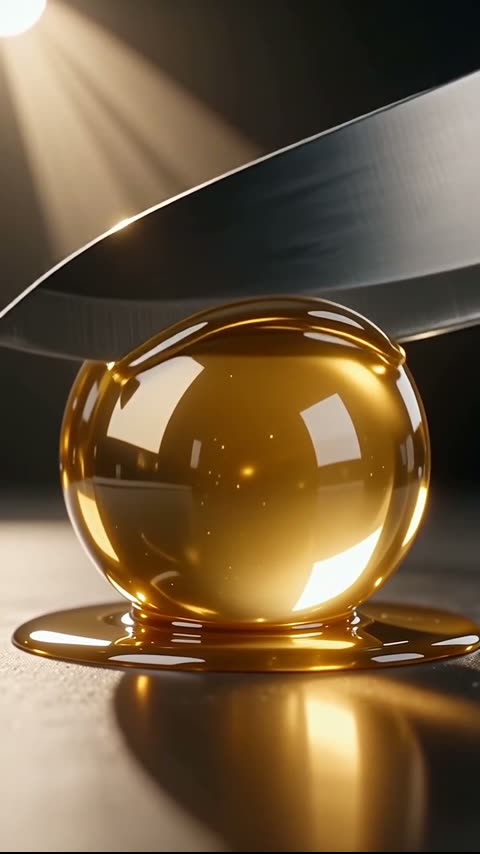
✨ Impossible ASMR
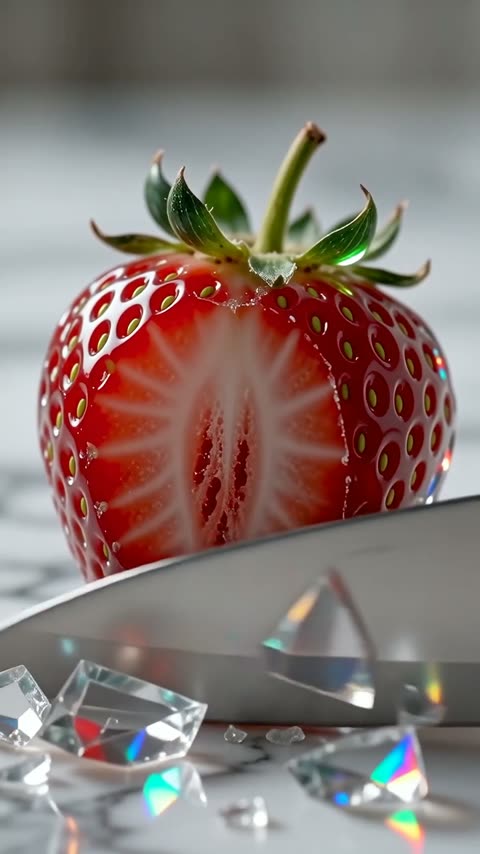
🔮 Glass Fruit Cutting

🍜 Food Summon Jutsu

🐶 Talking Animals

🦶 Cryptid Vlog

🏙️ Giant Encounter
You just saw which niches win — see a real sample, free
Watch a real sample video free. No credit card required.
Watch it free