Getting Started
AI Video Generator for Beginners: Complete Setup Guide
Step-by-step guide to using an AI video generator with zero experience. Choose a niche, create your first video, and publish to TikTok or YouTube in minutes.
An AI video generator turns a text topic into a publish-ready short-form video by chaining four AI steps: script generation, voiceover, scene-by-scene images, and word-synced captions. Beginners benefit most from end-to-end tools that handle all four steps in one workflow.
Most people overthink their first AI video. They research tools for weeks, compare pricing pages, read fifteen tutorials, and never actually make anything. Here's the reality: you can go from zero to a published video in under ten minutes, and you don't need to know a single thing about video editing to do it.
AI video generators do the heavy lifting that used to require a team of writers, designers, voice actors, and editors. They write the script. They generate the visuals. They record the voiceover. They add captions. They assemble everything into a polished vertical video ready for TikTok, YouTube Shorts, or Instagram Reels.
This guide walks you through every step, from understanding what these tools actually do to publishing your first video and getting it in front of an audience. No jargon, no assumptions about your skill level. Just the practical steps.
What AI Video Generators Actually Do
Look, the term "AI video generator" gets thrown around a lot, so let's be specific about what you're getting. These tools automate the entire video production pipeline — the same workflow that a human production team would follow, just faster and cheaper.
The Production Pipeline
Every short-form video follows the same basic steps, whether a human makes it or AI does. Understanding these steps helps you know what to expect from the output:
- Script generation: AI writes the narration based on your topic or niche. Good tools use GPT-4 level models to produce scripts that sound natural, not robotic.
- Voiceover: Text-to-speech converts the script into spoken audio. Modern TTS voices are remarkably human-sounding — most viewers can't tell the difference.
- Image generation: AI creates visuals that match each scene of the script. These are original images, not stock photos, generated in whatever art style you choose.
- Caption overlay: Word-timed captions are added automatically. This matters because over 80 percent of social media video is watched without sound.
- Video assembly: Everything gets compiled into a finished 1080x1920 vertical video file, ready to upload.
The key difference between tools is how much of this pipeline they handle. Some only do one or two steps and expect you to stitch everything together. The best tools, like Kineclip, handle every step in one automated workflow. You configure it once and get finished videos out the other end.
What You Need to Get Started
Honestly, the list is shorter than you'd expect. Here's everything you need:
- An internet connection
- An account on an AI video platform
- A TikTok, YouTube, or Instagram account to post on
That's it. No camera. No microphone. No ring light. No editing software. No design skills. The entire point of AI video generation is that the tool handles the production. Your job is to pick good topics and review the output before posting.
This is why faceless channels have exploded in popularity. The barrier to entry went from thousands of dollars in equipment and months of learning to literally just signing up for an account.
Choosing Your First Niche
Your niche is the topic your channel focuses on. Horror stories. Motivational content. History facts. Finance tips. This single decision shapes everything else — your audience, your growth speed, and your monetization potential.
What Makes a Niche Work for AI Video?
Not every niche translates well to AI-generated video. The best ones share three traits:
- Story-driven or fact-driven content: Niches built around narratives, facts, or ideas work perfectly because AI excels at generating this type of content. Think horror stories, historical events, psychology facts, or motivational messages.
- No real-world footage required: If your niche demands filming real locations, products, or people, AI can't help much. Stick to niches where AI-generated imagery works.
- Proven audience demand: Search TikTok and YouTube for channels in your target niche. If the top channels are getting hundreds of thousands of views, demand exists.
Beginner-Friendly Niches
If you're unsure where to start, these niches consistently perform well for AI-generated content and are forgiving for beginners:
- Motivation and self-improvement — Huge audience, evergreen content, high engagement. See motivation niche details.
- Horror and scary stories — Massively viral niche, AI imagery works perfectly for atmospheric visuals.
- History and did-you-know facts — Endless content supply, strong viewer retention, educational appeal.
- Finance and money tips — High RPM (revenue per thousand views), engaged audience, easy to script.
- Psychology facts — High shareability, broad appeal, short-form friendly.
Pick one niche. Just one. Resist the urge to cover multiple topics on the same channel — it confuses the algorithm and slows your growth.
Your First Video: Step-by-Step Walkthrough
Here's the thing — your first video doesn't need to be perfect. It needs to exist. Perfection comes from iteration, and you can't iterate on something that doesn't exist yet. Let's walk through the process.
Step 1: Create Your Account
Sign up on your chosen AI video platform. Kineclip offers a $4.99 / 7-day trial, which is enough to generate your first batch of videos and see how the whole process works before spending anything.
Step 2: Configure Your Series
A series is your channel's template. You set it up once, and every video generated from it shares the same style. Here's what you'll configure:
- Niche: Select from available topics. If you're going with motivation, select the motivation niche.
- Voice: Pick a voice that matches your content tone. Deep and dramatic for horror. Energetic for motivation. Calm and authoritative for educational content.
- Art style: Choose a visual style for your generated images. Consistent art style across videos builds brand recognition — viewers start recognizing your content as they scroll.
- Video length: For TikTok monetization, you want 60 seconds or longer. YouTube Shorts caps at 60 seconds. Start with 60-second videos to cover both platforms.
Step 3: Generate Your Video
Hit the generate button and wait a few minutes. The AI runs through its pipeline: writing the script, creating the voiceover, generating images for each scene, adding captions, and assembling the final video. You'll get a complete, ready-to-post video file.
Step 4: Review the Output
Watch the video before posting. Check for:
- Does the script make sense? Is it engaging from the first sentence?
- Do the visuals match the narration?
- Is the voiceover clear and natural-sounding?
- Are the captions timed correctly?
Most videos will be good to go. Occasionally one will have an awkward phrase or a visual that doesn't quite fit. Regenerate that one and move on. Don't spend 30 minutes agonizing over minor details on a single video.
Step 5: Download and Post
Download the video file. Open TikTok, YouTube, or Instagram. Upload the video. Add a few relevant hashtags. Post it. You've just published your first AI-generated video. The whole process, start to finish, takes under ten minutes once you're set up.
Publishing Tips for Maximum Reach
Creating the video is half the equation. How you publish it determines whether anyone actually sees it.
Post Consistently
The single most important publishing habit is consistency. One video per day, every day. The algorithms on TikTok, YouTube, and Instagram all reward accounts that post regularly. Miss a few days and the algorithm deprioritizes your content. For a deeper dive into building a content plan, check our complete guide to AI video creation.
Optimize Your First Three Seconds
Viewers decide whether to keep watching or scroll past in the first one to three seconds. Your opening line needs to grab attention immediately. Questions work well: "Did you know that..." or "What if I told you...". Bold claims work too: "This one habit separates millionaires from everyone else." Avoid slow intros or generic greetings.
Use Hashtags Strategically
Use 3 to 5 hashtags per video. Mix broad hashtags with millions of posts and niche-specific ones with smaller but more targeted audiences. For a motivation channel, you might use #motivation, #motivational, #selfimprovement, #mindset, and one niche-specific tag. Don't overload with 20 hashtags — it looks spammy and doesn't help.
Post at the Right Time
Each platform shows you when your audience is most active in your analytics dashboard. Generally, peak times are 7-9 AM, 12-2 PM, and 7-10 PM in your target audience's timezone. Start by posting in the evening window and adjust based on your own data after two weeks.
Cross-Post to Multiple Platforms
The same video works on TikTok, YouTube Shorts, and Instagram Reels. Post it to all three. Each platform has a different audience, so you're tripling your reach without creating additional content. This is one of the biggest advantages of AI video — the output format works everywhere.
What to Expect in Your First Month
Set realistic expectations so you don't quit too early. Here's what a typical first month looks like for a new faceless channel:
- Week 1: Your videos get 50 to 500 views each. This is normal. The algorithm is learning who to show your content to. Focus on posting daily and getting comfortable with the workflow.
- Week 2: Views start to stabilize. Some videos might hit 1,000 or more. You'll start seeing a few followers trickle in. Keep posting.
- Week 3: The algorithm has enough data to distribute your content more effectively. Your average views per video should be climbing. You might get your first viral video — one that gets 10x or 50x your normal views.
- Week 4: You should have 100 to 1,000 followers depending on your niche and platform. Your workflow is smooth. You know which topics perform best. This is when things start feeling real.
The biggest mistake beginners make is quitting in week one or two because they expected overnight results. Growth is exponential, not linear — it starts slow and accelerates. Give it 90 days before making any big decisions about whether it's working.
Scaling Beyond Your First Video
Once your first video is posted and you understand the workflow, it's time to build momentum. Here's how to scale efficiently.
Batch Your Content
Instead of generating one video at a time, generate a week's worth in one sitting. With Kineclip, you can queue up multiple videos and let the system produce them back-to-back. Having 7 to 14 videos ready means you're never scrambling for content.
Study Your Analytics
After two weeks of posting, you'll have enough data to see patterns. Which topics got the most views? Which hooks kept people watching? Which posting times performed best? Use these insights to generate more of what works and less of what doesn't.
Explore Additional Niches
Once your first channel is growing steadily, consider launching a second channel in a different niche. Each channel is an independent revenue stream. Many successful creators run 3 to 4 faceless channels simultaneously, all powered by AI generation.
Frequently Asked Questions
Do I need any technical skills to use an AI video generator?
No. AI video generators handle every technical step including scriptwriting, voiceover, image generation, video assembly, and captioning. You only need to pick a topic and review the output. No editing software, no design skills, no coding required.
How long does it take to create my first AI video?
Most AI video generators produce a finished video in 2 to 5 minutes. Your first video might take 10 to 15 minutes total because you will spend time choosing your niche and voice settings. After that initial setup, each video takes just a few minutes.
What equipment do I need to get started?
You need a computer or phone with internet access and an account on an AI video platform. That is it. No camera, no microphone, no lighting, no editing software. The AI generates everything — script, voiceover, visuals, captions, and final video file.
Are AI-generated videos good enough to post on TikTok and YouTube?
Yes. Modern AI video generators produce 1080x1920 vertical videos with professional voiceovers, AI-generated images, and word-timed captions. Thousands of faceless channels use AI-generated content and regularly get millions of views across TikTok and YouTube Shorts.
How much does an AI video generator cost?
Most platforms offer free trials or low-cost paid trials. Paid plans typically range from 19 to 59 dollars per month depending on how many videos you want to generate. This is dramatically cheaper than hiring a video editor, which costs 50 to 200 dollars per video.
Start Creating Your First AI Video
You now know everything you need to go from zero to published. The tools exist. The audience exists. The only missing piece is your first video. Stop researching and start creating — you'll learn more from publishing ten videos than from reading ten more guides.
Start with Kineclip and generate your first video in 3–5 minutes. Try Kineclip for $4.99 — 7 days, then your plan starts. Your first video is waiting.
See what AI video looks like
How Kineclip helps
Kineclip turns the setup steps in this guide into a single configuration screen — pick a niche, set a posting schedule, and the system handles scripts, voiceover, captions, and uploads end-to-end.
Try Kineclip's AI video →Related articles
Getting Started
Pre-Publish Checklist for AI Short Videos
A two-minute review for every AI-made short before it goes live: audio, captions, visuals, facts, metadata and format, with a pass, fix or skip rule.
Getting Started
Using Kineclip's Script Editor Before You Generate
What the Script Editor analyses, how to read its scores, how hook variants and rewrites work, and where it stops, so you spend runs and credits sensibly.
Getting Started
Series Setup Decisions That Shape Every Video
The choices you make when creating a Kineclip series (niche, formats, hooks, captions, voice, length, timing) and how each shapes every video that follows.
Make videos like these with AI
40+ viral templates — ASMR, talking characters, POV and more. Pick one and see a real sample in seconds.

✨ Impossible ASMR
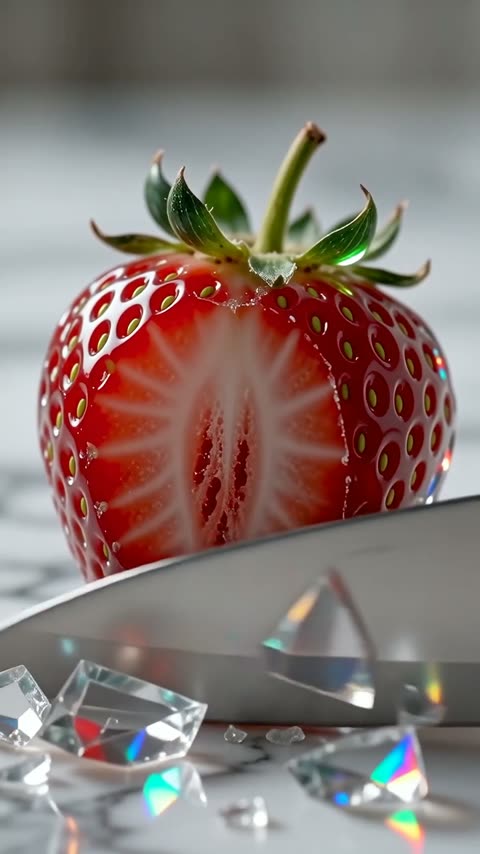
🔮 Glass Fruit Cutting

🍜 Food Summon Jutsu

🐶 Talking Animals

🦶 Cryptid Vlog

🏙️ Giant Encounter
Ready to start? Watch a real sample video, free
Watch a real sample video free. No credit card required.
Watch it free